Apple foldable iPhone nears debut in Ternus product reset
Apple is poised to unveil its first foldable iPhone as CEO John Ternus begins a new product cycle.
Jason Kwon ·
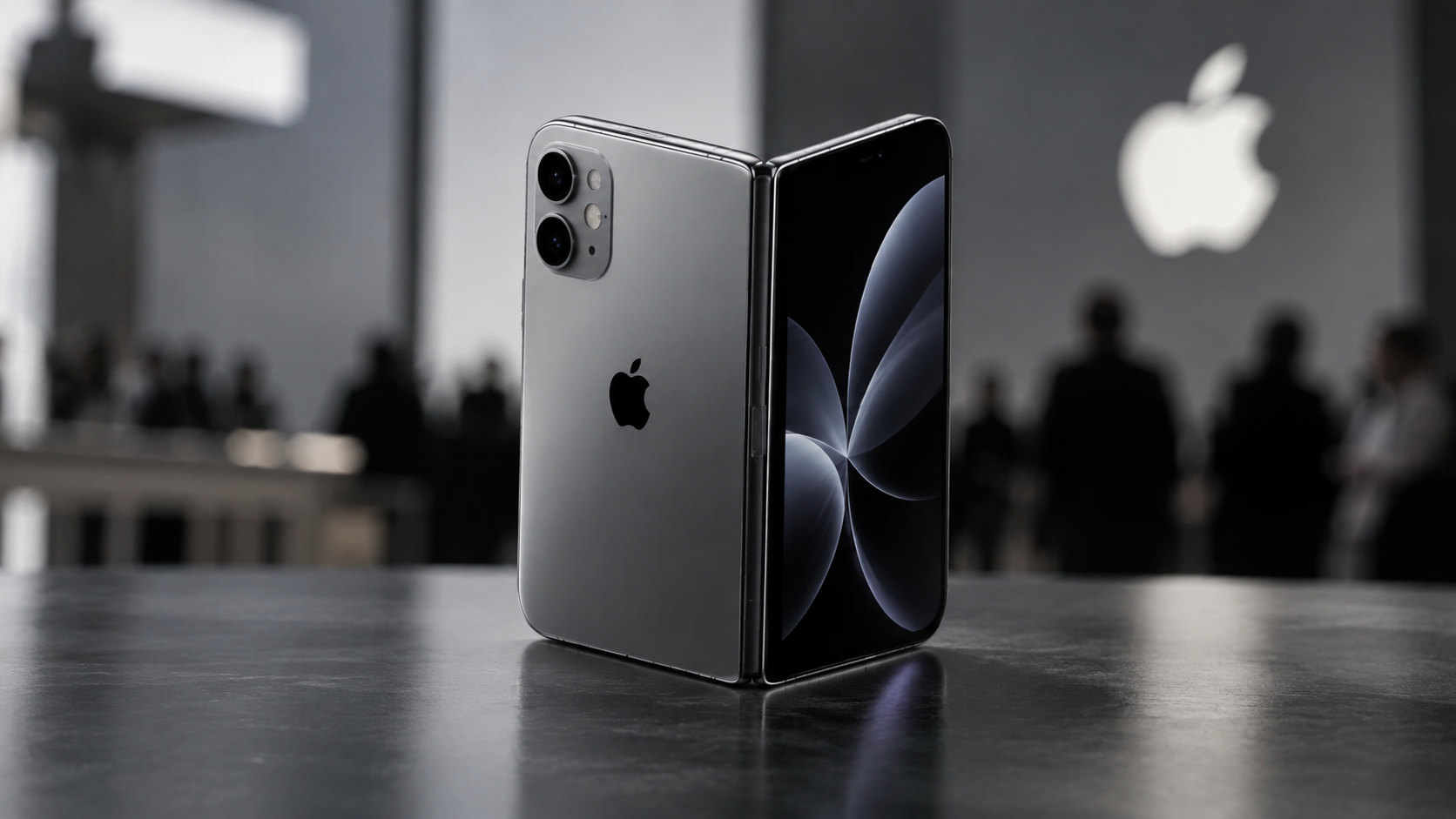
Apple foldable iPhone plans reach launch week as Apple prepares its first folding handset, a reset for its largest product line.
Ternus takes the stage
The company is expected to use a Wednesday product event to introduce the device, according to the source account. The launch would put CEO John Ternus, who took the job on September 1, in front of Apple’s most closely watched hardware shift in years.
Tim Cook, now executive chairman, is expected to attend from the audience rather than lead the presentation. People familiar with the transition said the timing was arranged so Ternus could open the new product era with the foldable model.
Apple declined to comment through a spokesperson. That leaves the internal account of the project, including Cook’s role and the device’s development path, tied to people familiar with the work rather than a public company explanation.
Cook pushed the phone format
The foldable project followed years of debate inside Apple over what kind of device should come first. Early work considered a product closer to an iPad mini that could open into a larger tablet, people familiar with the discussions said.
Cook’s support helped move the effort toward a foldable iPhone rather than a foldable iPad, those people said. The shift mattered because the iPhone sits at the center of Apple’s hardware business after nearly 20 years of largely rectangular designs.
Cook was better known during his CEO tenure for supply chain execution, pricing discipline and financial management than for originating product concepts. His backing therefore carried unusual weight inside a company where industrial design, component readiness and software polish often determine launch timing.
Foldables remain a small market
The phone would enter a category that is growing from a small base. IDC expects foldable phone shipments to rise 13% this year to 22.9 million units, compared with more than 1 billion total smartphone shipments.
That gap defines the commercial test for Apple. A foldable iPhone can influence the premium segment even if the category remains a fraction of the broader smartphone market by volume.
Inside Apple, the device has carried the code name V68, according to the source account. Some people involved in development referred to it as the iPhone Ultra because it is expected to sit above the rest of the lineup.
Price has been a central question for the company, with the device long treated internally as a premium product. If Apple places it above current flagship models, the company would be testing whether design novelty can support higher average selling prices without narrowing the audience too much.
Suppliers face a hinge test
For suppliers, a foldable iPhone would shift attention toward hinges, flexible displays, glass durability and assembly yields. Those components can determine whether Apple can scale a device that must fold repeatedly while still meeting the company’s standards for thickness, weight and battery life.
If early demand is concentrated among high-end buyers, the global macro effect would be limited because foldables would still be small against the billion-unit smartphone market. Apple would protect premium positioning, while the wider sector would likely treat foldables as a higher-margin niche rather than a mass replacement cycle.
If demand spreads beyond early adopters, the mechanism changes. Apple could lift upgrade spending within its installed base, suppliers could gain from higher-value components, and rivals may have to accelerate foldable designs even if total smartphone volumes remain largely tied to consumer income and replacement timing.
If manufacturing yields or durability concerns constrain supply, the launch could become a brand-management exercise more than a volume driver. In that case, Apple would need to balance scarcity against customer expectations, while component makers and competitors would wait for evidence that foldables can scale.
The immediate open question is how Apple prices the device against existing iPhone models and how many units it can supply at launch. Those two figures will determine whether the foldable iPhone begins as a showcase product or a broader reset for the premium phone market.