Tesla Cybercab starts limited public rides in Austin zone
Tesla Cybercab rides opened in Austin as NHTSA reviews a steering-wheel-free robotaxi central to Tesla’s autonomy strategy.
Jason Kwon ·
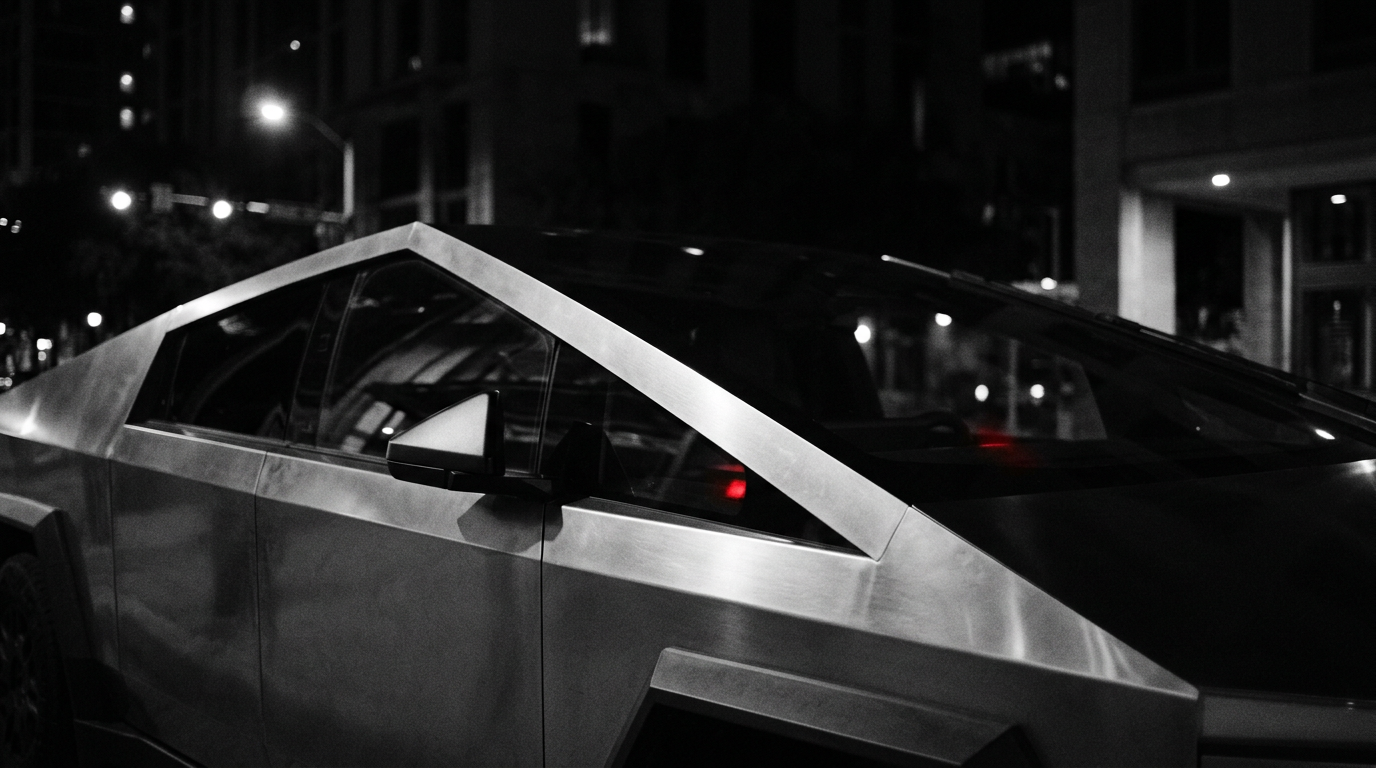
Tesla Cybercab rides began for riders in a small Austin service area as US safety regulators review the steering-wheel-free robotaxi launch.
Tesla introduced the purpose-built robotaxi at a private Austin event Thursday, then made rides available Friday inside a limited part of the city. The rollout puts Tesla’s autonomy claims into a real-world service, not just a stage demo, while exposing the company to federal vehicle-safety rules built around human controls.
Austin rides begin after demo
The Cybercab is the first model designed solely as a robotaxi to enter Tesla’s fleet, according to the company’s event materials. Earlier Thursday, Tesla released new images and video of the vehicle, and its Robotaxi app terms were updated to include Cybercab language, according to social media posts.
Chief Executive Elon Musk also signaled the launch with a short post: "A Storm of Cybercabs." The line fit Tesla’s usual product cadence, where software promises and controlled demos often arrive before broad availability.
NHTSA weighs driverless controls
The National Highway Traffic Safety Administration said it was in contact with Tesla and was "evaluating" the situation. The issue is narrow but material: Cybercab is built with no steering wheel or pedals, while current US safety rules generally require those controls.
The agency has been studying whether vehicles intended only for robotaxi service should face different equipment rules. Earlier this year, NHTSA granted Amazon a temporary waiver to operate Zoox robotaxis lacking a steering wheel, giving Tesla a recent regulatory reference point but not a blanket exemption.
Tesla shares reverse Thursday gain
Tesla shares slipped 3% Friday morning, according to MarketSurge, after rising 5.4% Thursday and moving above their 50-day line before the event. The sequence shows how tightly investors are linking near-term share moves to progress on autonomous driving.
Morgan Stanley analysts warned before the launch that a weak investor response could set up pressure on Tesla’s stock. Investors have reacted sharply to delays in the expansion of Tesla’s robotaxi service, making market rollout details more important than design theatrics.
Will Rhind, chief executive of GraniteShares, said concrete updates on Full Self-Driving software or new robotaxi markets could support the share price. "Longer term, the market is increasingly willing to value autonomy as its own business line, and every step that makes it tangible helps that case," he said.
Autonomy case meets rule book
Tesla has spent years trying to recast itself as an artificial intelligence company layered on top of an electric-vehicle manufacturer. Cybercab is central to that pitch, since a robotaxi network would depend on software performance, vehicle utilization and regulatory permission rather than one-time car sales.
If NHTSA moves toward exemptions for vehicles built only for ride service, Tesla could gain a clearer path to scale Cybercab beyond Austin. That would matter for the company’s valuation model, for competitors designing vehicles without manual controls, and for cities weighing how autonomous fleets affect traffic, labor and insurance systems.
If regulators instead slow the process or require design changes, Tesla’s near-term autonomy revenue case would face a longer approval cycle. The wider robotaxi sector would also have to price in more compliance cost, while the macro effect would likely stay limited until driverless fleets reach enough cities to influence transport spending or vehicle demand.
The main open question is whether Friday’s Austin service produces operating data that satisfies regulators as well as investors. For Tesla, the next measurable step is not another presentation; it is whether Cybercab can add markets while meeting rules written for cars with drivers.