Algiers suburb orphanage fire kills 11 as Algeria faces intense heat
An orphanage fire in a suburb of Algiers killed 11 people and injured 19, as emergency teams evacuated victims during a heatwave, according to the report.
Omar Farouk ·
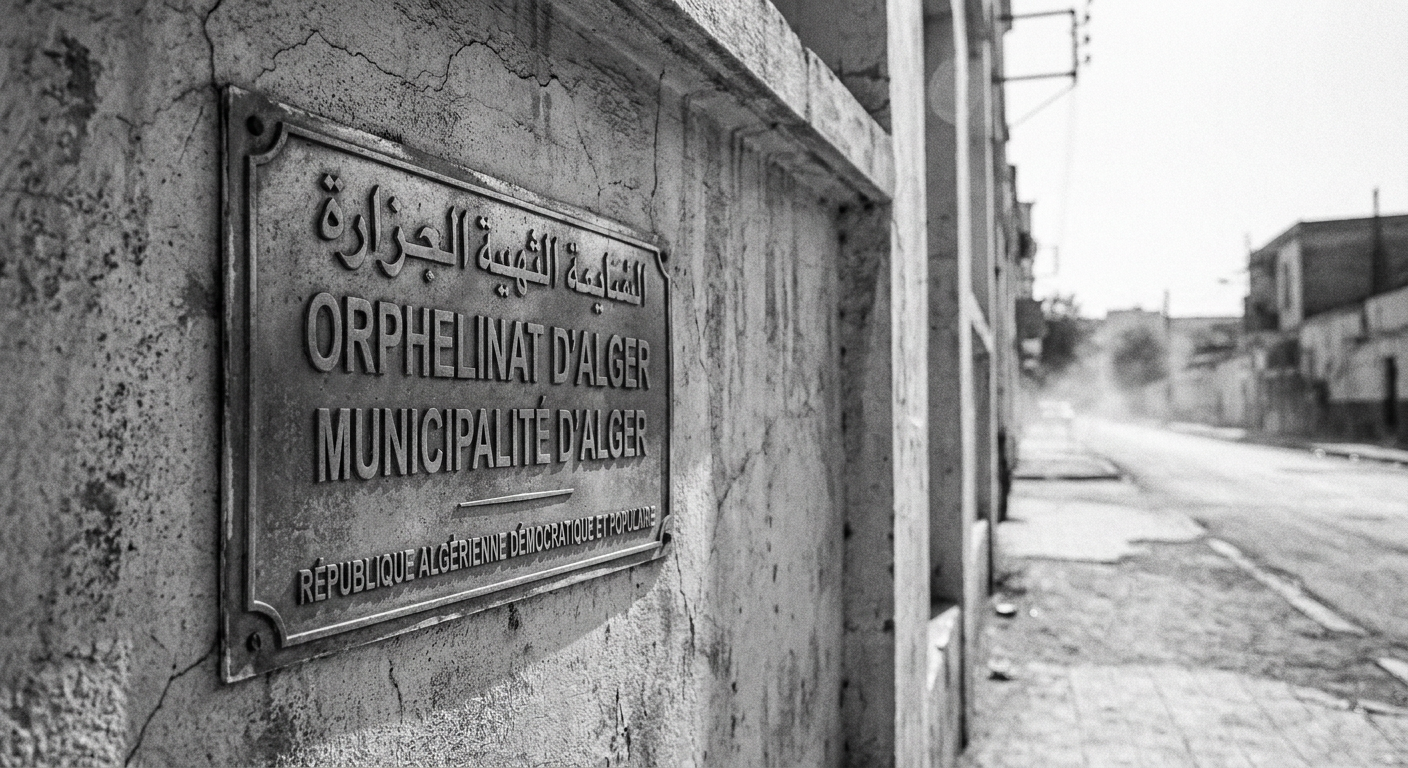
# Algiers suburb orphanage fire kills 11 as Algeria faces intense heat
Eleven people were killed and 19 injured in a fire at an orphanage in a suburb of Algeria’s capital, as emergency teams worked to evacuate victims during a heatwave, according to the report. Details on the cause of the blaze, the identities and ages of the victims, and the condition of the injured were not provided in the signal.
Deadly fires are a recurring risk during periods
Deadly fires are a recurring risk during periods of extreme heat in North Africa, where high temperatures can strain power grids, increase the likelihood of electrical faults, and complicate emergency response. Algeria has also experienced seasonal wildfire outbreaks in past summers, adding pressure on civil protection and medical services when heat spikes.
The report indicates the incident occurred in a suburb of Algiers, but it does not name the facility, the local jurisdiction, or the specific emergency agencies involved beyond “emergency teams.” Algerian authorities typically route disaster response through the Civil Protection service and local health authorities, though no official statement is included in the signal.
A mass-casualty incident involving children in institutional care is a political and governance stress test for any regional government, often triggering scrutiny of building safety standards, supervision, evacuation planning, and enforcement. In Algeria, where extreme heat can intensify infrastructure risk, public attention often focuses quickly on whether facilities had adequate fire detection, suppression equipment, and staffed emergency protocols.
Heatwave-linked emergencies can also ripple into broader resilience
Heatwave-linked emergencies can also ripple into broader resilience questions, including whether hospitals can absorb surges, whether backup power systems function under peak demand, and how quickly local authorities can communicate verified information to the public. Without an official communique in the signal, the scale of the response, the timeline of evacuation, and accountability steps remain unclear.
By 2026-07-23, watch for an official statement from Algeria’s national or Algiers-area authorities that (a) names the orphanage and location, (b) provides a preliminary cause of the fire, and (c) updates casualty and injury figures; if such a statement is released, it will clarify accountability and next steps, while the absence of one would prolong uncertainty around cause, oversight, and the condition of survivors.