

DHS finalizes $20 million electric Glove acquisition for ICE officers
The Department of Homeland Security will spend 20 million dollars to equip ICE officers with electric-shock gloves by March, drawing criticism from civil…
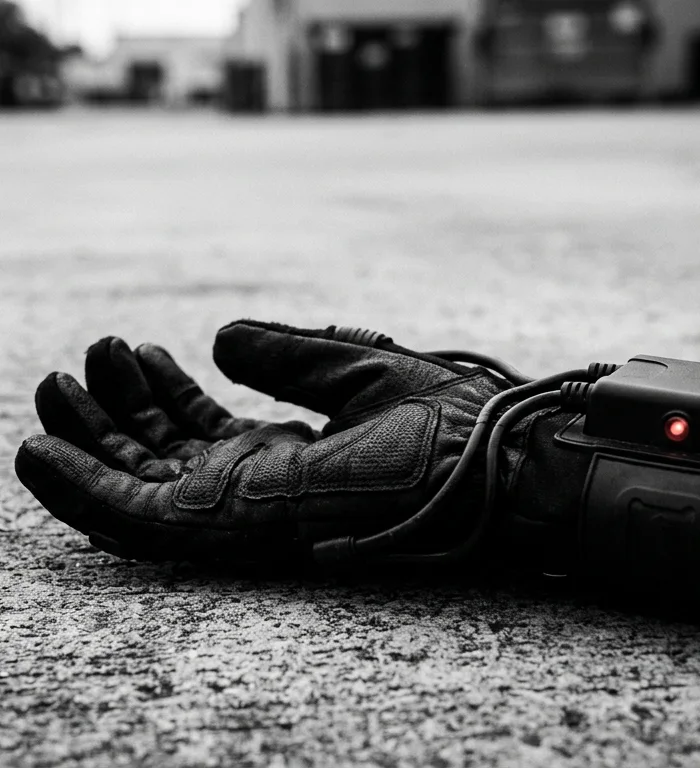
The Department of Homeland Security finalized plans to spend up to $20 million to equip Immigration and Customs Enforcement (ICE) officers with electric-shock gloves by March 2026. These devices, known as Generated Low Output Voltage Emitter (G.L.O.V.E.) devices and manufactured by Compliant Technologies, aim to provide federal agents with additional tools for arrest and detention operations.
The procurement decision has prompted significant opposition from civil liberties organizations, which cite concerns over potential misuse. Critics point to existing litigation involving the technology, including a wrongful death lawsuit in Kentucky where a subject allegedly received 40 shocks.
Device Technology and Deployment
The G.L.O.V.E. devices deliver an electric shock of between 324 and 380 volts upon skin contact. In contrast, Tasers typically fire prongs from a distance and can incapacitate individuals with 1,200 to 1,500 volts. The manufacturer's manual cautions against using the gloves on elderly people, small children, pregnant women, and disabled individuals.
While the DHS classifies the equipment as a de-escalation tool, its integration into federal enforcement follows adoption by approximately 50 police departments across 20 states, including some use cases within public school systems. The agency maintains that the equipment undergoes rigorous policy review to ensure compliance with law enforcement standards.
Oversight Concerns and Civil Liberties
Advocacy groups argue that the lack of federal oversight regarding ICE use-of-force protocols creates a high risk for abuse in detention facilities and during street-level enforcement actions. The American Civil Liberties Union (ACLU) stated there are "no circumstances where we think their use is appropriate," noting concerns about deployments in places like Fort Bliss, the largest migrant detention facility in the US, where abuse allegations are common.
The Department
A DHS spokesperson affirmed that "every decision is made with careful consideration and appropriately reviewed to ensure that any technology ICE utilizes is consistent with all applicable law enforcement policies and standards." However, civil liberties groups contest this, highlighting that ICE's hiring standards, training, and background requirements have been lowered.
Future Implications for Enforcement
The deployment of electric-shock gloves could alter the landscape of federal immigration enforcement by introducing a new use-of-force option.
If the DHS policy reviews effectively mitigate abuse risks, the tools might become a standard part of agent equipment. Conversely, if legal challenges and reports of misuse continue, the procurement could face sustained political pressure and potential legal injunctions, affecting ICE's operational capabilities and public trust.
More stories
- Eisenkot secures first coalition deal but lacks majority
- Germans oppose Ukraine aid as poll shows support slipping
- Kim Jong-un receives 10 envoys after constitutional shift
- Ukraine claims Libya strike sinks Russian naval corvette
- COP31 climate talks collapse over fossil fuels and funds
- Russian military faces 1,087 recorded suicides in Ukraine war
- Bessent faces Iran and bond tests as yields climb again
- Israel-Syria talks resume after eight bombs hit Syrian base
- İsrail ordusu ateşkese rağmen Nebatiye çevresini topçu ateşiyle hedef aldı
- New Defense Framework Links Turkey, Pakistan, and Saudi Arabia
Latest news
- Morocco targets 2030 World Cup final with new stadium bid
- Barclays puts AI bust risk at center of US growth debate
- US inflation reaches 3.8% before December Fed rate meeting
- Türkiye Desk: GTA 6 drains UK mobile spend as Turkish studios feel pressure
- Global stocks fall 0.4% as tariffs and US inflation loom
- CIA hack affects unclassified data; scope remains unclear
- Trump prepares tariffs on China and other major exporters
- New-car buyers pay record average $50,087 in October