AI safety push puts Zuckerberg behind outside reviews
Meta CEO Mark Zuckerberg backed independent AI safety reviews as technology leaders debate whether advanced model development should slow.
Jason Kwon ·
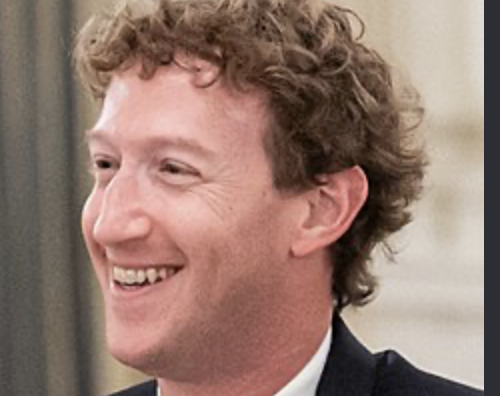
AI safety reviews need outside evaluators, Meta CEO Mark Zuckerberg said as labs face pressure over advanced models. He said Meta delayed Muse for several months.
Zuckerberg wrote Tuesday on X that independent evaluators and advisers should be part of how artificial intelligence labs test whether models are safe. The post placed Meta Platforms Inc. in a widening industry argument over whether companies should slow some development work, coordinate safety practices or rely on their own internal checks.
Zuckerberg cites Muse delay
Meta slowed work on Muse, an AI tool, for several months to concentrate on safety and security, Zuckerberg wrote. He framed the move as an internal product decision rather than a demand that rivals pause their own work first.
“Engaging independent evaluators and advisors is industry best practice,” Zuckerberg wrote. In a separate passage, he said Meta “didn’t call for everyone else to do this before we would,” adding that the company acted because it viewed the delay as right for users and for Meta.
The distinction matters in the current policy fight. Meta is presenting safety work as a routine operating practice inside a commercial AI lab, while some other executives have argued that the most capable systems require broader coordination before they are released or further developed.
Amodei essay shifts debate
The latest exchange followed a 3,800-word essay from Anthropic PBC CEO Dario Amodei over the weekend. Amodei urged a slower pace for the development of the most advanced AI systems so researchers could better assess potential dangers.
OpenAI CEO Sam Altman and SpaceXAI CEO Elon Musk endorsed Amodei’s argument, according to the source material. An OpenAI executive also said the company was working with Anthropic and Alphabet Inc.’s Google on AI safety.
The emerging split is less about whether AI systems should be tested than about who should set the threshold for release. Independent evaluators can add outside scrutiny, but the source material does not specify who would choose them, what standards they would apply or whether their findings would be public.
Commercial pressure meets safety work
For Meta, the Muse delay gives Zuckerberg a concrete example as he argues that companies can take safety steps without waiting for industry-wide consensus. The company’s approach, as described by Zuckerberg, keeps the decision inside Meta while accepting that outside advisers can help assess risk.
For Anthropic, the argument attributed to Amodei points toward a more cautious path for frontier systems. If that view gains support, companies building the most advanced models may face pressure to document testing, share safety methods or accept slower release schedules.
The industry effect depends on whether voluntary practices harden into common expectations. If independent review becomes a standard demanded by customers, developers may need longer testing cycles before launch; if companies keep standards fragmented, safety claims may remain difficult for users and regulators to compare.
Three paths for AI labs
If Meta’s model holds, large AI companies would keep product control while using outside evaluators to strengthen internal release decisions. That path could limit near-term disruption to investment plans, give Meta flexibility on future tools and push the sector toward self-managed review norms.
If Amodei’s slowdown argument gains wider backing, the global macro effect would likely run through slower deployment of some productivity tools rather than an immediate demand shock. Meta could face longer timelines for comparable systems, while the wider AI sector would have to balance safety documentation against the race to ship new models.
If regulators or customers conclude that voluntary review is too uneven, independent assessments could become a market access requirement. The main open question is whether AI companies can agree on credible evaluators before governments impose more formal rules.