Colorado River reservoirs hit records as drought deepens
Colorado River reservoirs have hit record lows, narrowing the buffer for hydropower and intensifying talks over water cuts across the Southwest.
Atlas Newsdesk ·
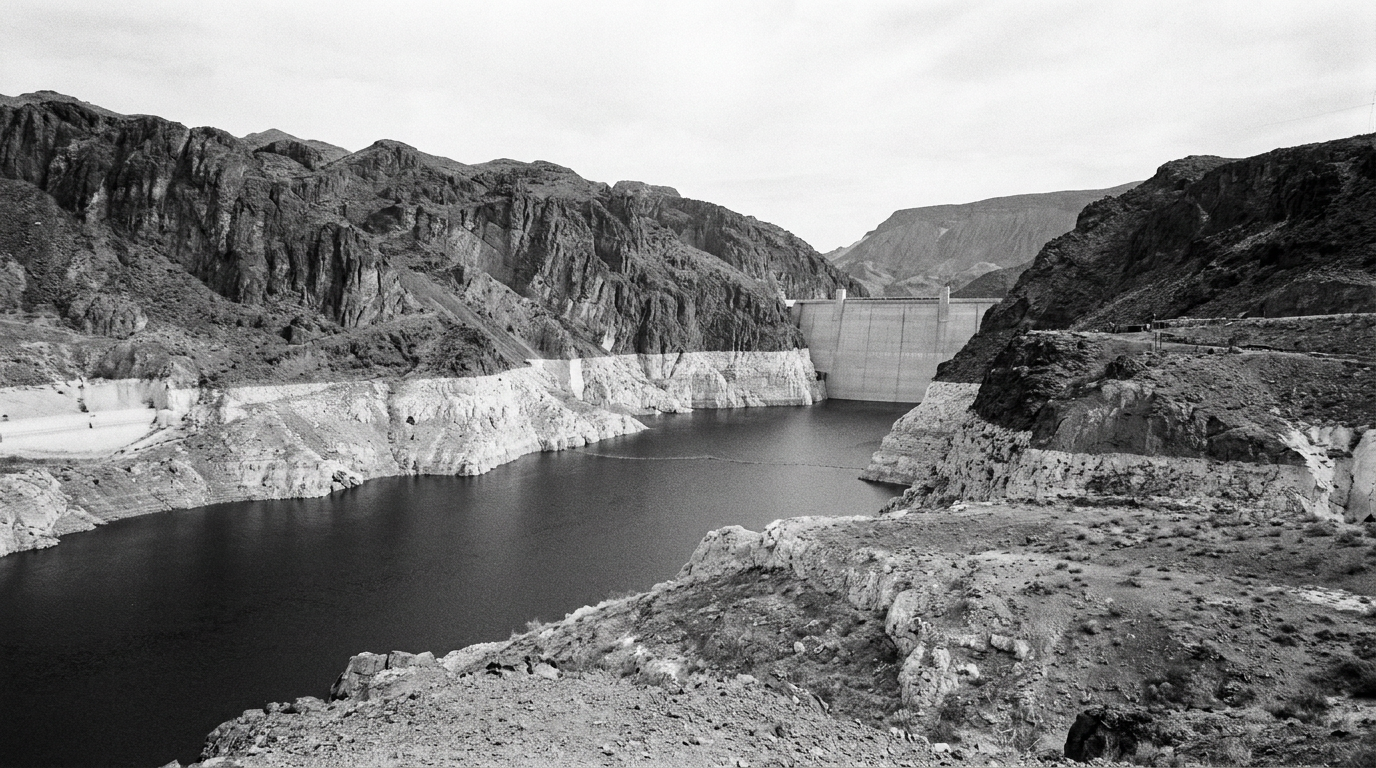
Colorado River reservoirs have fallen to record lows, with Lake Powell at a record-low 3,519.91 feet, tightening risks for hydropower and water supplies.
The Saturday reading at Lake Powell came less than two weeks after Lake Mead, the largest US reservoir, also touched a low point. The paired declines matter because the two reservoirs form the main storage system for a river that supports cities, farms, tribes and power users across the Southwest.
Powell's 3,519.91-foot mark
Lake Powell is the second-largest reservoir in the US, and its latest elevation is the lowest recorded since the reservoir was created. Experts cited in the account estimate the combined system has not been this depleted since 1957, before Lake Powell existed.
The Colorado River system provides water and electricity to about 40 million Americans across seven US states, including Native American tribes, and to two northern Mexican states. That reach turns reservoir levels into a regional infrastructure issue rather than a remote water-management statistic.
The drawdown has been building for two decades, not one dry season. The source account says the Southwest’s stored water has shrunk by roughly 20% since 2000, a drop tied by scientists to long-running drought and higher temperatures across the West.
Thirty feet before power risk
The immediate pressure point is hydropower. Lake Powell is less than 30 feet above the minimum level needed to keep the reservoir’s main dam generating electricity, according to the account.
If the water line falls below that operating threshold, nearly 500,000 households could face power risk, based on the figures provided. The mechanism is mechanical: lower reservoir elevation reduces the water pressure needed to move turbines efficiently.
Water users would not all feel the stress in the same way. Most households in the Southwest are not expected to lose water entirely, but rural and tribal communities with weaker infrastructure have fewer buffers when allocations tighten or emergency deliveries are needed.
Northern Arizona’s Native American communities are among the exposed groups identified in the account. It says one-third of households there lack running water, a condition that makes shortages more immediate than for urban users connected to larger municipal systems.
Seven states lack a deal
Federal officials have advanced short-term steps intended to keep the river system operating into next year. Those measures do not settle the larger allocation dispute among the seven US states that rely on the river.
The hard question is how much each state should cut from its water use. A long-term conservation plan remains stalled because the states have not agreed on how to divide reductions, according to the account.
The economic channels are clear even if the timing is not. Less reliable hydropower can raise pressure on substitute electricity supplies, while tighter water allocations can affect agriculture, housing growth and municipal planning across the basin.
For the wider industry, the stress is likely to fall first on utilities, irrigation districts and water-intensive farms. If power generation at the dam remains intact, operators gain time to manage demand; if the threshold is breached, replacement power and emergency conservation become more expensive tools.
The global macro effect would be narrower than an oil shock, but it would not be zero. Higher regional electricity or food-production costs can feed into local inflation and supply chains if shortages persist across planting seasons or peak power-demand periods.
The next phase depends on water levels, winter precipitation and state negotiations. If Lake Powell stays above the hydropower threshold, the Colorado River system gets time to negotiate deeper cuts; if it falls below that line, the basin faces a faster shift from planning to rationing, replacement power and legal conflict.