Lévy backs a European AI fund to protect local startups
Publicis Chairman Maurice Lévy proposes a €100 billion European AI fund, led by France and Germany, to reduce reliance on American technology.
Claire Dubois ·
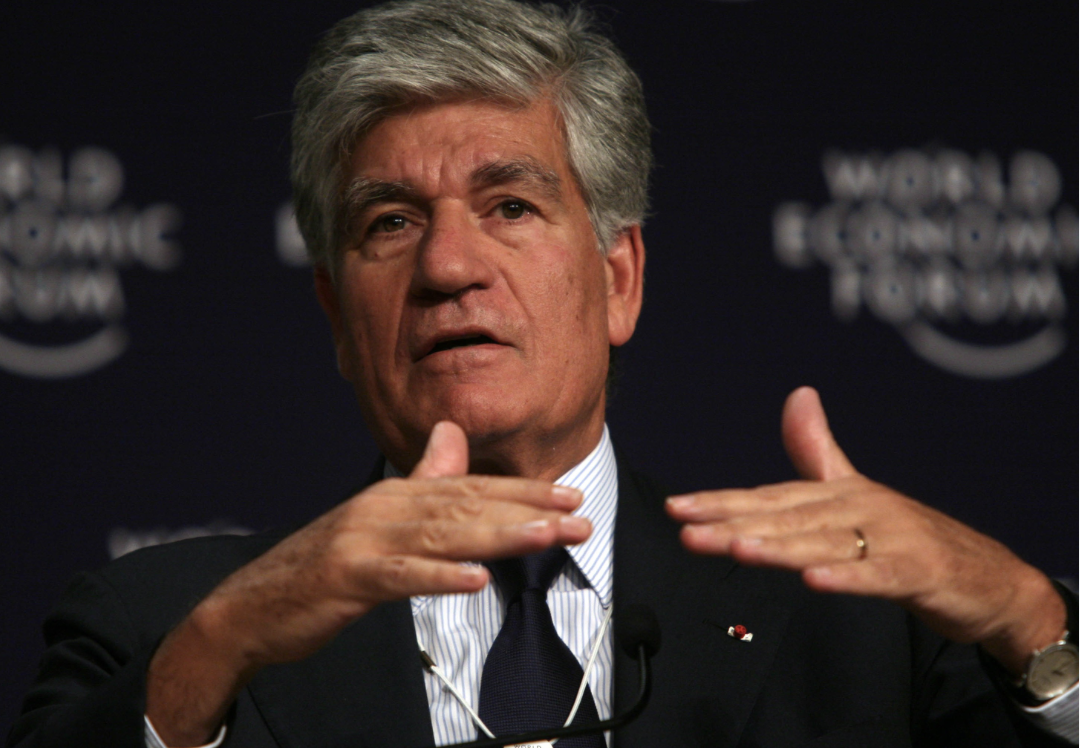
Establishing a European AI fund is now a critical priority to protect domestic businesses from sudden disruptions by foreign technology providers. Publicis Chairman Maurice Lévy warned that over-reliance on American tech giants leaves European industries highly vulnerable to international market shifts.
Speaking at the VivaTech conference in Paris, the veteran advertising executive urged France and Germany to spearhead a massive €100 billion ($115 billion) financial vehicle. This proposed capital pool would specifically develop and sustain domestic artificial intelligence capabilities across the European continent. Lévy emphasized that relying on overseas providers threatens the stability of local businesses.
The Threat of Foreign Dependence
The urgency behind this proposal stems from recent disruptions in the global technology supply chain. Lévy highlighted a specific incident where European firms abruptly lost access to frontier models developed by the American startup Anthropic. This sudden disruption served as a harsh wake-up call for corporate leadership across the European Union.
Currently, European enterprises rely heavily on American infrastructure to run their advanced digital operations. Without sovereign alternatives, regional businesses remain vulnerable to sudden policy shifts, international regulatory changes, or unilateral corporate decisions. This vulnerability poses a significant risk to productivity and operational continuity in key industrial sectors.
The threat is compounded by the fact that AI is quickly becoming the operating system for modern business. If a foreign provider decides to restrict access, affected companies would have no immediate alternatives. Therefore, developing local infrastructure is no longer just a technological goal but a matter of national security.
Franco-German Leadership Required
To construct a viable defense, Lévy believes the continent's two largest economies must take the lead. France and Germany possess the industrial base, political influence, and capital reserves needed to kickstart a project of this scale. Their joint leadership could quickly mobilize both public and private capital from across the European member states.
While Europe boasts highly capable startups like Mistral AI in France and Aleph Alpha in Germany, these firms face immense funding challenges. Compared to their American counterparts, European technology innovators receive only a fraction of the venture capital required to train massive foundation models. This funding disparity makes it difficult for local firms to scale up effectively.
A coordinated Franco-German initiative could bridge this gap by pooling national resources. By setting up a robust framework, the two nations could attract institutional investors who have historically hesitated to fund early-stage deep-tech ventures in Europe. This collaborative financial model could establish a self-sustaining ecosystem for local technology talent.
Building Digital Sovereignty
A €100 billion investment could fundamentally reshape the technological landscape of the region. It would allow local researchers and developers to build high-performance computing centers and sovereign cloud infrastructures. Furthermore, it would guarantee that European enterprises retain strict control over their proprietary data and operational tools.
This initiative aligns with the European Union's broader goals of achieving strategic autonomy in critical sectors. While regulatory frameworks like the EU AI Act aim to manage risks, regional leaders argue that regulation must be balanced with massive capital investment. Without financial backing, local companies cannot hope to compete with subsidized rivals in the United States and China.
Ultimately, the long-term stability of the European economy depends on its digital sovereignty. If political leaders in Paris and Berlin fail to act on these warnings, the region risks falling permanently behind. The coming months will show whether governments are prepared to commit the necessary capital to secure their technological future.