

Australia Faces Critical Shortage of Residential Aged Care Beds
A severe shortage of residential aged care beds is causing significant hospital overcrowding and forcing families to seek care interstate, highlighting a…
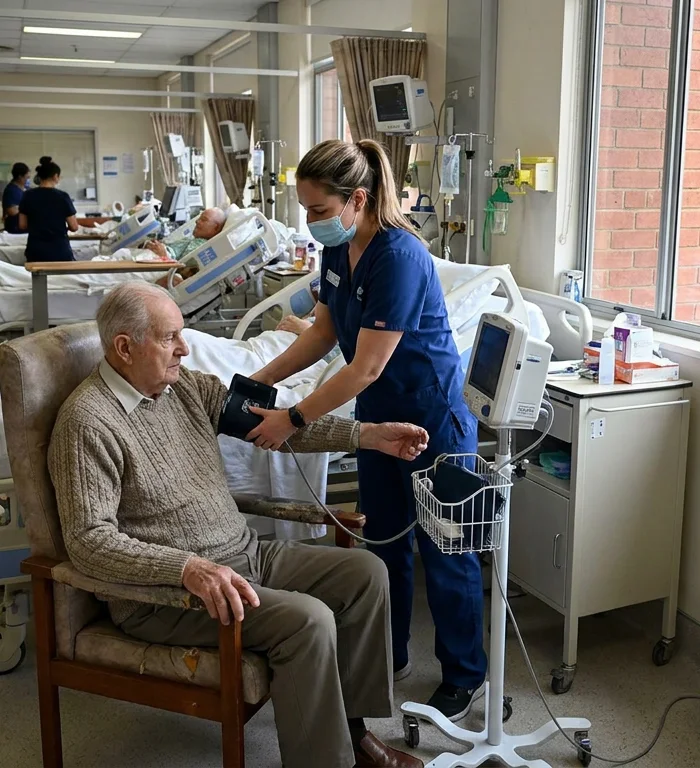
Australia is experiencing a systemic shortage of residential aged care beds, resulting in significant wait times and increased pressure on public hospital infrastructure. Data indicates that the number of individuals occupying hospital beds while awaiting placement in residential aged care facilities in South Australia has risen by 830% over the past four years, with approximately 500 patients currently affected. This trend highlights a growing misalignment between the aging population's needs and available facility capacity.
Regional areas are particularly vulnerable to these shortages, forcing families to consider interstate relocations to secure necessary care. The current deficit in available places has created a bottleneck where patients are unable to transition out of acute care settings, further straining the broader healthcare system. Stakeholders have identified the need for accelerated infrastructure development and targeted workforce incentives to address the long-term sustainability of the sector.
South Australia
Political tension persists regarding jurisdictional responsibility for the crisis. State officials have emphasized that the current rate of bed creation is insufficient to meet projected demand, noting that approximately 10,600 additional places are required annually over the next two decades to maintain service levels. In contrast, federal authorities maintain that they are supporting the construction of roughly 5,000 beds annually nationwide and have allocated approximately $600 million toward initiatives aimed at reducing delayed hospital discharges.
State-level interventions, including no-interest loan schemes for developers and the repurposing of existing public health infrastructure, are currently being implemented to mitigate immediate shortfalls. However, the disparity between the required annual growth in capacity and the actual number of beds delivered remains a significant governance challenge. Policymakers continue to face pressure to reconcile federal funding models with the urgent, localized demand for residential care services.
More stories
- Dietitians advise small swaps for plant-based eating
- TikTok dementia videos mislead in 66.4% of sample, researchers say
- Aberdeen Royal Infirmary faces police inquiry call over 19 deaths
- Bariatric surgery group loses 28.2% after GLP-1 use
- TOFA boosts mouse energy use 18% while preserving muscle
- ICO probes NHS therapy notes accessible to up to 140,000 staff
- Adults 50 to 64 reach 7.5% heavy-drinking rate
- Dinch exposure correlates with 27-gram lower birth weight
- Guillain-Barré treatment reframes rare nerve disease
- Dementia risk findings put infant sugar limits in focus
Latest news
- David Parr House to honor Victorian art-workman with blue plaque
- Iran's attacks hit 25 tankers near Strait of Hormuz
- FCC approves prison cellphone jamming despite 2.5-mile warning
- Russia strikes Ukraine as Odesa faces electricity strain
- Bahrain reports two injuries after Iranian aerial attacks
- Congress tests Black Democrats' growing policy influence
- Baltic responders fight Sparta II fire after drone strike
- Europe faces attribution gap after 16 cyber, physical incidents