

Africa health systems show death-data gaps in 40-country review
The gaps affect death notification, cause-of-death records, local analysis capacity and budgets as ministers meet in Nairobi.
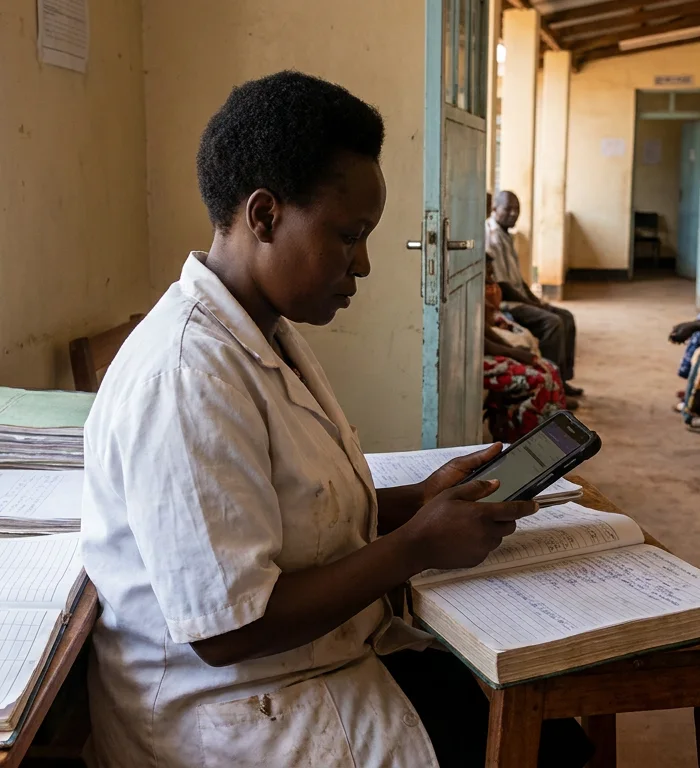
World Health Organization said a 40-country report launched in Nairobi on Tuesday found major gaps in Africa’s health information systems, including how deaths are recorded and health data are analysed.
The findings matter because fewer than half of assessed countries — 19 of 40 — said authorities are alerted to at least eight in 10 deaths, limiting officials’ ability to spot risks and direct services.
Dr. Mohamed Janabi, WHO regional director for Africa, said poor information can leave governments blind to vulnerable groups. “When we do not know why people are dying, which children are missing essential services or where communities face the greatest health risks, we may overlook the very people who need our attention most,” he said.
The WHO report said just over half of assessed countries, 21 of 40, record a cause for at least eight in 10 registered deaths. It also found that fewer than half, 43%, have sufficient capacity to analyse health data at clinic and hospital level, while only one in four can assess data quality there.
Financing and governance remain weak points. The report said only 18% of countries reported a dedicated budget for health information systems, with other gaps in coordination, routine data-quality checks and trained personnel.
The report also pointed to progress. WHO’s Africa Region covers 47 countries, and 43 have adopted a digital platform for routine health-information collection and reporting. In Nigeria, health authorities in Bauchi state used vaccination and community-level data to identify children who had missed routine immunisations, according to the report.
The findings were released at the First African Health Data Forum in Nairobi, which opened Tuesday with health ministers, senior officials and other stakeholders. The meeting runs through Thursday and is intended to review the report, exchange experiences and identify solutions.
Forum discussions will also cover digital health and artificial intelligence, software used to automate tasks such as data analysis and diagnostics. Dr. Hillary Kipruto, a WHO technical officer, told UN News that “The power for diagnostics has leapfrogged,” adding that analysis that once took months can now produce a report quickly.
Kipruto also pointed to regulatory risks around AI use in health systems. “We cannot run away from it, but we have to make sure that there are enabling legislation and frameworks which allows us to responsibly use AI,” he said.
Source: WHO report; UN News Service article via AllAfrica, Nov. 10, 2026
More stories
- Nigeria's family-planning budget falls 97%
- Peter Attia reviews cold therapy claims on longevity
- Dietitians advise small swaps for plant-based eating
- TikTok dementia videos mislead in 66.4% of sample, researchers say
- Aberdeen Royal Infirmary faces police inquiry call over 19 deaths
- Bariatric surgery group loses 28.2% after GLP-1 use
- Plant-based dairy swaps may lower iodine intake
- Adults 50 to 64 reach 7.5% heavy-drinking rate
- Cinaciguat cuts amyloid beta by half in aging rats
- GLP-1 drinkers report lower alcohol use in Harvard survey
Latest news
- Rwanda faces budget strain from 85% electricity access push
- ICE arrests at Seattle airport draw protests and scrutiny
- AI doubts leave Asian stocks facing a new investment test
- EU rejects COP31 deal as fossil fuel divisions block pact
- Deal Sheet: Fortis shutdown costs over 400 jobs
- Germany to pay about $11 a month into child pension accounts
- Monrovia mayor-designate seeks $14.5m city budget
- Laura Brand curbs prison messages after YouTube dispute