Activision will reportedly let Warzone players turn off the paid cosmetics that fund its empire
The upcoming Modern Warfare 4 update will allow Call of Duty: Warzone players to hide crossover skins.
Jason Kwon ·
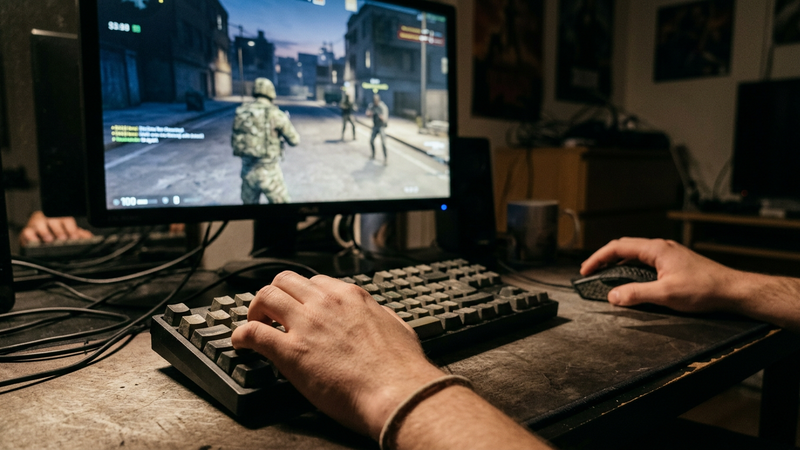
Sometime during the rollout of the Modern Warfare 4 update, Activision is doing something that seems to violate a core law of live-service physics. The publisher will introduce a toggle in Call of Duty: Warzone allowing players to hide the paid skins worn by their opponents, according to a Push Square report . So far, the exact parameters of the feature rest on the outlet's reporting alone, but the premise is straightforward: if you do not want to get pushed by Lionel Messi or sniped by Snoop Dogg, you will soon have the power to scrub them from your lobby.
It is a rare concession to the game's hardcore base, who have spent years arguing that bumping into pop-culture icons breaks the military immersion of the battle royale. But underneath the aesthetic debate is a profound shift in how the publisher manages its digital storefront.
Hiding the digital billboard
Free-to-play battle royales are not funded by goodwill. They are kept alive by digital storefronts selling premium cosmetic bundles. For years, the tacit agreement between the publisher and the paying player has been a guarantee of visibility. When someone buys a glowing operator suit, they are not just purchasing a new look for their own screen. They are paying for a digital billboard, ensuring that every opponent they eliminate is forced to witness their purchase during the match and in the mandatory post-death killcam.
Call of Duty has always sat uncomfortably between two distinct identities. On one side is the hyper-detailed, military-sim aesthetic that defined its early success and attracted its initial core audience. On the other is the reality of modern retention mechanics, which demands a constant churn of vibrant, recognizable pop-culture crossovers to keep the store fresh and revenue flowing.
The franchise generates vast sums in microtransactions, a figure heavily dependent on selling these exact licenses. The hardcore base has complained repeatedly that the game's visual identity has been compromised by these very additions. Activision is finally handing those purists a blindfold, effectively letting them play the gritty shooter they originally signed up for without entirely cutting off the primary revenue stream.
Fixing the competitive landscape by stealth
The competitive implications of this toggle are actually more interesting than the aesthetic ones. Historically, cosmetics in Warzone have occasionally crossed the line from harmless self-expression to active competitive advantage. The player base is intimately familiar with the concept of cosmetic advantages, where certain tactical outfits blend seamlessly into shadowed corners, making them highly desirable for high-level play.
Conversely, players running around as brightly colored celebrities often suffer a distinct visibility disadvantage, standing out wildly against the game's muted environmental color palette. By allowing the player base to default everyone they see to standard military models, Activision is quietly solving a persistent competitive-integrity headache. It standardizes the visual field, ensuring that gunfights are decided by mechanical skill and positioning rather than who happens to be wearing the darkest outfit available in the digital store.
The internal math protecting the storefront
The obvious read is that Activision is sabotaging its own monetization strategy. If you remove the captive audience, you theoretically remove the incentive to buy. Why drop money on a premium crossover skin if half the lobby simply sees a generic soldier?
The skeptic's read here is that the publisher has run the internal telemetry and realized the hardcore players complaining about immersion are not the ones buying the crossover cosmetics anyway. The purists are essential for matchmaking liquidity. A battle royale needs a massive pool of players to start a single match, meaning the non-paying base is just as critical to the product's survival as the heavy spenders. Giving them a toggle keeps them from churning out to competing tactical shooters.
The spenders, meanwhile, still get to see their own skins, and their immediate squadmates will likely still see them too. Activision is gambling that the primary psychological driver for buying a skin is showing it off to your friends, not to the strangers you shoot.
A wedge in the broader live-service ecosystem
If the math works out for Warzone , this toggle could force a structural shift across the wider shooter market. Competing platforms will be watching closely to see if giving players control over their visual experience actually hurts the bottom line.
You will likely not see Epic Games adopt this for Fortnite , a title built entirely as a colliding metaverse where the aesthetic chaos is the core product. But for games that try to maintain a cohesive artistic vision while surviving on a live-service diet, this feature sets a new and demanding precedent. Players of other tactical shooters will undoubtedly begin asking their developers for the same level of control over their visual environment.
Watch Microsoft's gaming division over the next few quarters. If in-game net bookings for the franchise take a noticeable hit after the Modern Warfare 4 integration, expect this much-requested toggle to be quietly retired.