Drumcree Standoff Signals Growing Political Instability in Northern Ireland
The peaceful but high-stakes standoff at Drumcree reflects escalating political polarization in Northern Ireland, threatening the stability of the…
Lauren Collins ·
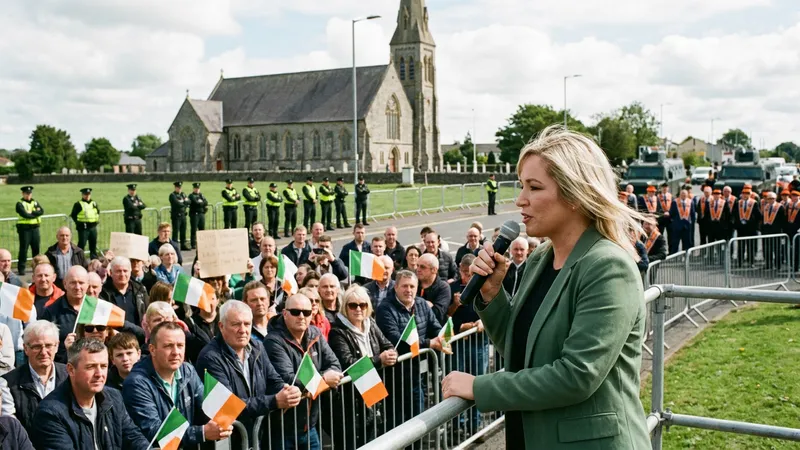
A recent standoff at Drumcree, while avoiding violence, highlights a significant deterioration in Northern Ireland's political climate. The event underscores deep-seated divisions that threaten the stability of the power-sharing executive at Stormont as next year's assembly elections approach.
Nationalist Confidence Rises
Nationalist confidence regarding a potential border poll has increased, fueled by recent international commentary and demographic shifts within Northern Ireland. This self-assurance is further evidenced by Sinn Féin leader Michelle O'Neill's presence at the Drumcree protest.
Northern Ireland
In contrast, unionist leadership expresses profound insecurity. The Democratic Unionist Party leader, Gavin Robinson, stated that the First Minister's appearance at the protest breached democratic standards and challenged institutional governance, reflecting a perceived decline in unionist influence.
Political Posturing Ahead of Elections
Political rhetoric has intensified ahead of next year's assembly elections, further complicating the functionality of the devolved government. There is growing concern that the current impasse could lead to the collapse of the power-sharing arrangement if either major party withdraws from the executive, echoing previous periods of instability.
The standoff reflects a broader trend of cynical political posturing that risks undermining the foundations established by the 1998 Good Friday Agreement. This situation remains a critical indicator of the fragility of current political cooperation.
Uncertain Outlook for Power-Sharing
If political leaders prioritize short-term electoral gains
If political leaders prioritize short-term electoral gains, the power-sharing executive could face further paralysis, hindering governance and potentially triggering fresh elections. Should a sustained period of political gridlock ensue, it would likely exacerbate economic uncertainty and deter investment, impacting the global macro picture through reduced regional stability.
For the specific parties involved, continued engagement in such standoffs risks alienating moderate voters and could lead to shifts in electoral support. The wider industry and political landscape in Northern Ireland face an ongoing challenge to maintain cross-community consensus, with the stability of the entire devolved government hinging on effective dispute resolution.