

Forest Soil Methane Absorption Increases Under Drier Climate Conditions
A 24-year study reveals that warmer, drier forest soils can increase methane absorption, contradicting previous models that predicted a universal decline in…
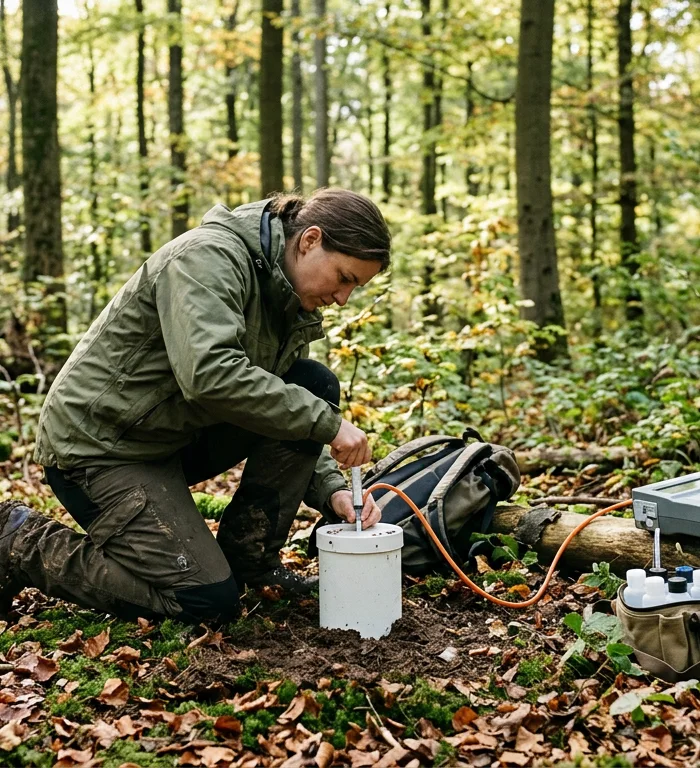
A 24-year longitudinal study indicates that forest soils in southwestern Germany have increased their methane absorption rates by an average of 3% annually. This trend correlates with rising temperatures and declining rainfall, which facilitate the diffusion of atmospheric methane into soil pores.
Researchers identified that drier soil conditions reduce moisture saturation, thereby increasing the availability of air-filled pores. This allows methane to penetrate deeper into the soil profile, where microorganisms break down the gas. Warmer temperatures further accelerate this microbial activity, enhancing the overall rate of methane removal.
Previous meta-analyses
These findings challenge prevailing scientific models that suggest climate change universally diminishes the capacity of forest soils to act as methane sinks. Previous meta-analyses, including significant research from the United States, have indicated that increased rainfall can reduce methane uptake by up to 80% by obstructing gas movement through saturated soil.
United States
The study highlights that the impact of climate change on soil-based methane sequestration is highly dependent on local environmental variables, including specific precipitation patterns and soil composition. While these results suggest a localized climate benefit, researchers caution that they do not imply a net positive impact of climate change on forest ecosystems.
For policymakers and climate modelers, the data suggests that current global projections regarding soil methane sinks may require recalibration to account for regional variations in soil moisture. Future climate strategies should consider these complex, site-specific interactions between soil physics and microbial activity when assessing the role of forests in long-term carbon and methane management.
More stories
- Dietitians advise small swaps for plant-based eating
- TikTok dementia videos mislead in 66.4% of sample, researchers say
- Aberdeen Royal Infirmary faces police inquiry call over 19 deaths
- Bariatric surgery group loses 28.2% after GLP-1 use
- TOFA boosts mouse energy use 18% while preserving muscle
- ICO probes NHS therapy notes accessible to up to 140,000 staff
- GSK wins FDA approval for Nelkarmi after 49% response rate
- Europe faces 35,000 drug-resistance deaths a year
Latest news
- David Parr House to honor Victorian art-workman with blue plaque
- Iran's attacks hit 25 tankers near Strait of Hormuz
- FCC approves prison cellphone jamming despite 2.5-mile warning
- Russia strikes Ukraine as Odesa faces electricity strain
- Bahrain reports two injuries after Iranian aerial attacks
- Congress tests Black Democrats' growing policy influence
- Baltic responders fight Sparta II fire after drone strike
- Europe faces attribution gap after 16 cyber, physical incidents