

Litigation Highlights Systemic Failures in School-Issued AI Monitoring Tools
A lawsuit alleging that a student used school-issued AI to plan suicide highlights critical failures in student monitoring systems and raises concerns over…
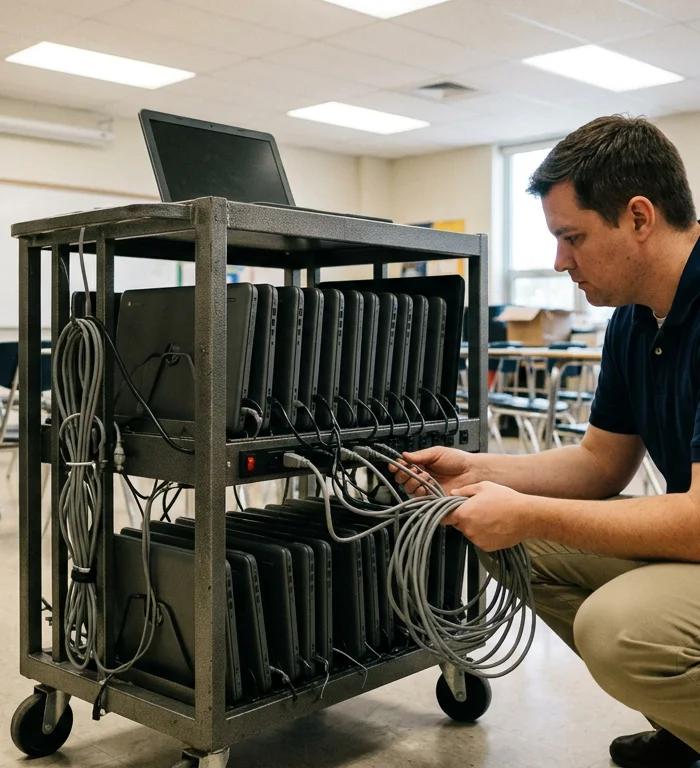
A lawsuit filed against Alphabet alleges that a 13-year-old student used school-issued hardware to engage in prolonged interactions with an AI chatbot regarding self-harm and suicide planning. The complaint asserts that the student utilized the AI’s integrated features to draft a eulogy and research suicide methods over several months without triggering automated school safety protocols. The incident underscores significant gaps in the efficacy of third-party surveillance software currently deployed across educational institutions to monitor student activity.
Legal representatives for the family indicate that the eventual alert regarding the student’s condition was routed to a former employee’s personal phone, rather than current administrative staff. This administrative failure highlights potential vulnerabilities in the governance of digital safety systems, where outdated contact information and fragmented monitoring tools can delay critical interventions. The school reportedly relied on third-party monitoring services, yet the integration between these tools and the AI’s specific generative features remains inconsistent.
Legislative scrutiny is intensifying regarding the mandatory integration of generative AI in school-issued search tools. Federal officials have formally requested that the technology provider allow schools the autonomy to disable AI-driven features, citing concerns that current deployment models prioritize product integration over student safety. The case serves as a precedent for potential liability claims against technology firms regarding the psychological impact of AI tools on minors.
Institutional risk managers should note that the reliance on automated monitoring software may provide a false sense of security. The lack of standardized protocols for flagging AI-generated content in educational environments creates a liability exposure for both school districts and technology providers. Future regulatory developments may mandate stricter safety guardrails and human-in-the-loop requirements for AI tools deployed in K-12 settings.
More stories
- Europe faces attribution gap after 16 cyber, physical incidents
- PIF backs Grand Theft Auto as Saudi players embrace game
- Signal limits screenshots to curb AI access to messages
- Cognition runs Devin Mac workspaces on EC2 in 6 AWS regions
- Salesforce engineers cut 600-failure triage to 90 minutes
- Türkiye Desk: GTA 6 puts console access and network demand in focus
- Türkiye Desk: Mobile game money keeps flowing eastward
- Anthropic IPO seeks $1.4 trillion fully diluted valuation
- Moonshot files for Hong Kong IPO seeking $3 billion raise
- China tech tours draw investors to factory floors at scale
Latest news
- Rwanda faces budget strain from 85% electricity access push
- ICE arrests at Seattle airport draw protests and scrutiny
- AI doubts leave Asian stocks facing a new investment test
- EU rejects COP31 deal as fossil fuel divisions block pact
- Deal Sheet: Fortis shutdown costs over 400 jobs
- Germany to pay about $11 a month into child pension accounts
- Monrovia mayor-designate seeks $14.5m city budget
- Laura Brand curbs prison messages after YouTube dispute