Moonshot files for Hong Kong IPO seeking $3 billion raise
Moonshot has filed confidentially for a Hong Kong IPO that could raise $3 billion, people familiar said, as Chinese AI listings accelerate.
Atlas Newsdesk ·
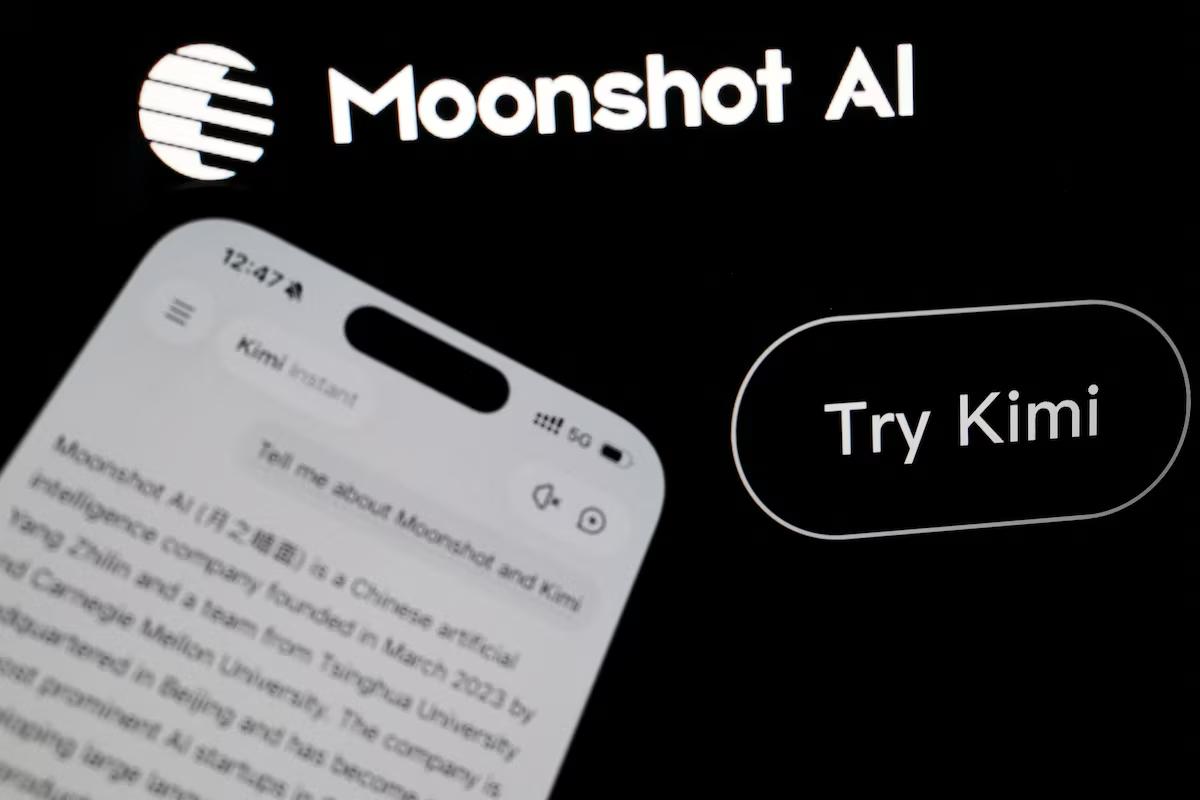
Moonshot IPO plans include a confidential Hong Kong filing and a possible $3 billion raise, people familiar said, testing AI listing demand.
$3 billion filing target
The Beijing-based developer of the Kimi large language model has submitted the listing paperwork confidentially, three people with knowledge of the plans said. One of them said the company is aiming for $3 billion in proceeds, while the timetable and final size remain subject to regulatory approval and market conditions.
The people were not authorized to speak publicly and declined to be identified. Moonshot did not respond to a request for comment, and the reported filing has not been publicly confirmed by the company or Hong Kong regulators.
Moonshot released Kimi K3 in July and says the model has 2.8 trillion parameters, a scale it describes as the largest among open-weight models. The company has said demand for Kimi K3 has strained its computing capacity, making fresh capital more relevant to its next phase.
The startup is also in talks with Microsoft, Amazon and Google on revenue-sharing arrangements that would let the U.S. cloud companies host Kimi K3, people familiar with those discussions said. Any agreement would be closely watched because it could be the first large revenue-sharing arrangement between a Chinese AI model developer and a major U.S. cloud provider, though no deal has been announced.
$50 billion valuation gap
Moonshot is valued at $50 billion in an ongoing funding round, two separate people familiar with the matter said. That is below reported valuations for DeepSeek at about $74 billion and listed peer Z.AI at roughly $66 billion in market capitalization, giving investors a live benchmark for how Hong Kong may price Chinese AI assets.
The company was founded in 2023 by Yang Zhilin, an AI researcher who pursued doctoral studies at Carnegie Mellon University in Pittsburgh. Its backers include Alibaba, Tencent, IDG Capital and HSG, formerly Sequoia Capital China.
Moonshot raised more than $2 billion in May from investors including Meituan, China Mobile and Chinese private equity firm CPE, a fundraising document showed. That round brought total fundraising to more than $5.5 billion, compared with the $3 billion now being discussed for the IPO.
The filing comes as Hong Kong has regained momentum as a venue for Chinese technology issuers. Listings in the city raised $41.2 billion by mid-August, up 142% from a year earlier, according to LSEG data, with Chinese technology companies accounting for most of the proceeds.
U.S. scrutiny shadows Kimi
Moonshot has drawn scrutiny from senior U.S. officials over allegations that it used restricted Nvidia chips and drew capabilities from Anthropic models. U.S. Treasury Secretary Scott Bessent has said he might add the company to a trade blacklist, while Moonshot has disputed claims that Kimi K3’s performance came through distillation.
Moonshot has had to unwind its offshore red-chip structure and move to an onshore China domicile to secure regulatory approval before the IPO filing, two people familiar with the matter said. That restructuring points to the approval path Chinese AI firms face when they combine domestic operations, foreign capital histories and overseas listing plans.
Goldman Sachs, CICC and Deutsche Bank are among the banks working on the offering, people familiar with the plans said. Goldman Sachs and Deutsche Bank declined to comment, while CICC did not respond to a request for comment.
If market conditions hold, a $3 billion Moonshot IPO would give global investors a new public reference point for valuing high-cost AI model developers. If U.S. scrutiny tightens or Chinese approvals slow, the company may need to rely longer on private capital, while peers in cloud infrastructure, chips and model hosting would have fewer public signals on demand for Chinese AI listings.