

Research Reveals Unexpected Stability in Long-Term Chernobyl Radioactive Fallout
New research shows some Chornobyl radioactive particles are more stable than expected, potentially slowing the spread of contaminants, though significant…
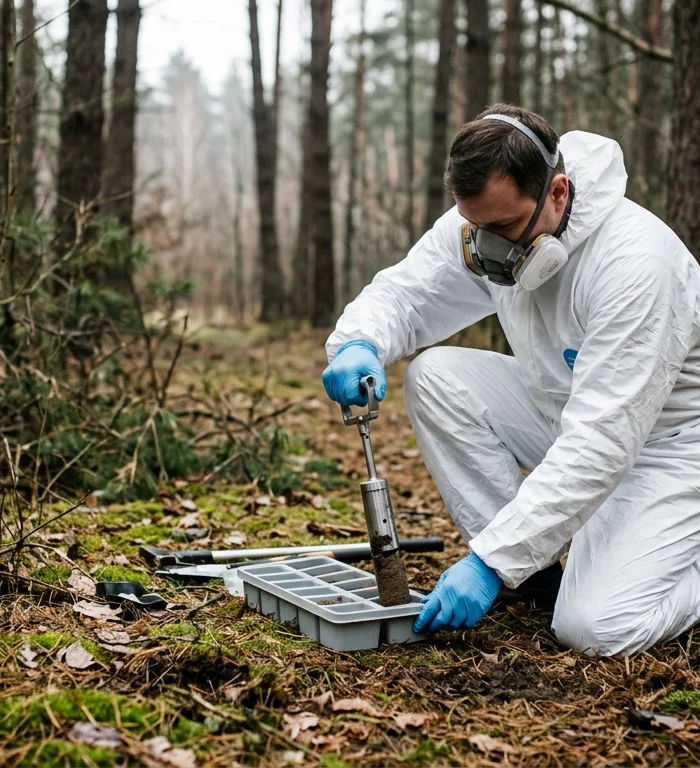
Recent structural analysis of radioactive particles recovered from the Chornobyl exclusion zone indicates that some nuclear debris remains more chemically stable than previously projected. Researchers utilized synchrotron X-ray diffraction to examine the internal crystalline structure of six radioactive fragments, measuring between 8 and 50 micrometers, which have persisted in the soil for four decades.
The study identified three distinct classes of particles: those retaining original uranium dioxide structures, those fused with zirconium cladding, and those oxidized during the reactor's graphite fire. Findings suggest that certain particles have maintained their original internal integrity, effectively trapping radioactive fission products within their crystalline matrices rather than releasing them into the surrounding environment.
This structural stability implies that the migration of This structural stability implies that the migration of radioactive contaminants into local soil and water systems may be slower than initial environmental models predicted. However, the researchers caution that these findings are based on a limited sample size and that particle behavior varies significantly based on chemical composition and formation history.
While the discovery provides new insights into the long-term environmental persistence of nuclear fallout, it does not suggest a reduction in the overall health risks associated with the site. The mechanical fragility of certain oxidized particles remains a primary concern, as wind-borne dust continues to pose inhalation hazards. Future risk assessments must account for these varying degradation rates to accurately model the long-term containment and safety requirements of the exclusion zone.
More stories
- Dietitians advise small swaps for plant-based eating
- TikTok dementia videos mislead in 66.4% of sample, researchers say
- Aberdeen Royal Infirmary faces police inquiry call over 19 deaths
- Bariatric surgery group loses 28.2% after GLP-1 use
- TOFA boosts mouse energy use 18% while preserving muscle
- ICO probes NHS therapy notes accessible to up to 140,000 staff
- GSK wins FDA approval for Nelkarmi after 49% response rate
- Europe faces 35,000 drug-resistance deaths a year
Latest news
- David Parr House to honor Victorian art-workman with blue plaque
- Iran's attacks hit 25 tankers near Strait of Hormuz
- FCC approves prison cellphone jamming despite 2.5-mile warning
- Russia strikes Ukraine as Odesa faces electricity strain
- Bahrain reports two injuries after Iranian aerial attacks
- Congress tests Black Democrats' growing policy influence
- Baltic responders fight Sparta II fire after drone strike
- Europe faces attribution gap after 16 cyber, physical incidents