

South Korean Judiciary Initiates Internal Deliberations Amid Impeachment Threats
South Korean judges are convening formal meetings to discuss institutional independence in response to legislative efforts to impeach the Chief Justice of…
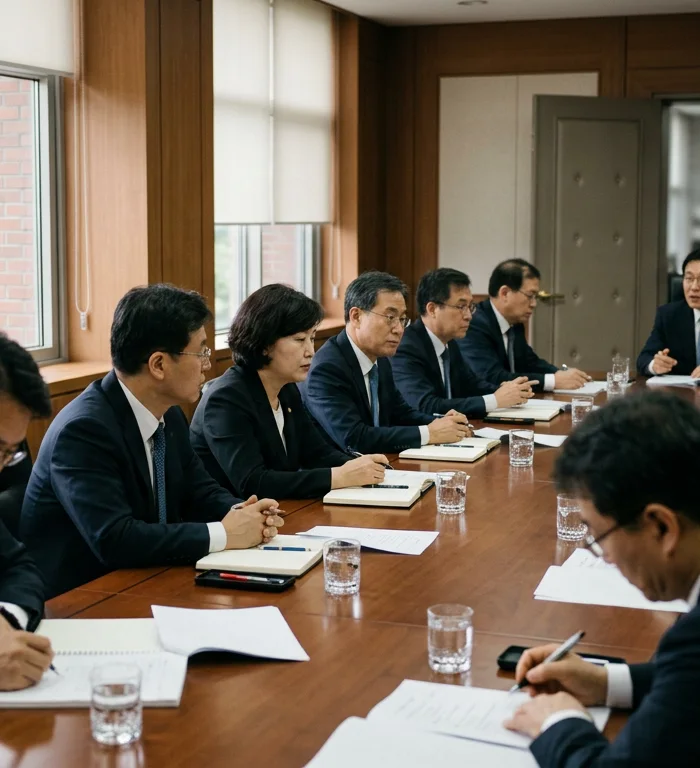
The Changwon District Court has scheduled a plenary meeting of its judges for November 25 to discuss the preservation of judicial independence. This development follows the formal initiation of impeachment proceedings against the Chief Justice of the Supreme Court by the primary opposition party. While the meeting is traditionally reserved for administrative matters such as office assignments, the inclusion of political and institutional independence as a formal agenda item signals a significant shift in judicial response to external legislative pressure.
Under the Court Organization Act, these meetings serve as advisory bodies on judicial administration. Although the specific outcome of the Changwon meeting remains undetermined, the decision to elevate this topic reflects growing internal concern regarding the stability of the judiciary. Historically, such plenary sessions have been convened during periods of institutional crisis to signal collective stances on matters affecting judicial integrity.
The Changwon District Court
Recent internal communications from senior judicial figures indicate a hardening of sentiment within the ranks. The Chief Judge of the Changwon District Court recently emphasized the necessity of actively defending judicial independence, characterizing it as a critical institutional requirement. Furthermore, the head of Judges' Representative Council has publicly criticized the impeachment efforts, suggesting that the judiciary may need to consider collective action if the legislative process proceeds.
These developments suggest that the upcoming November 30 meeting of Judges' Representative Council will likely formalize the judiciary's position on the impeachment threat. The potential for a coordinated institutional response poses a risk of prolonged friction between the legislative and judicial branches. Policymakers should monitor these internal deliberations, as they indicate a move toward active resistance against political interference, which could impact the operational continuity of the court system and the broader political landscape.
More stories
- Germans oppose Ukraine aid as poll shows support slipping
- Kim Jong-un receives 10 envoys after constitutional shift
- Ukraine claims Libya strike sinks Russian naval corvette
- COP31 climate talks collapse over fossil fuels and funds
- Russian military faces 1,087 recorded suicides in Ukraine war
- US faces China, Russia in Africa minerals contest
- Iran's attacks hit 25 tankers near Strait of Hormuz
- Russia strikes Ukraine as Odesa faces electricity strain
- Putin seeks Ukraine peace talks positions from Europeans
- Summit nuclear pledge leaves arms reduction talks absent
Latest news
- Trump prepares tariffs on China and other major exporters
- New-car buyers pay record average $50,087 in October
- Banks face ECB reserve debate over liquidity and profits
- Investors see Anthropic debut gains fade below $83 a share
- Iraq orders federal control over Kurdish-area oilfields
- Nvidia shares retreat as AI rally cools before PCE data
- Macy’s parade faces balloon limits as storm winds approach