

172 Economies Engage in Global Vaccine Procurement Facility
172 economies are coordinating through the COVAX Facility to pool procurement and ensure equitable vaccine access, though the initiative requires $1 billion…
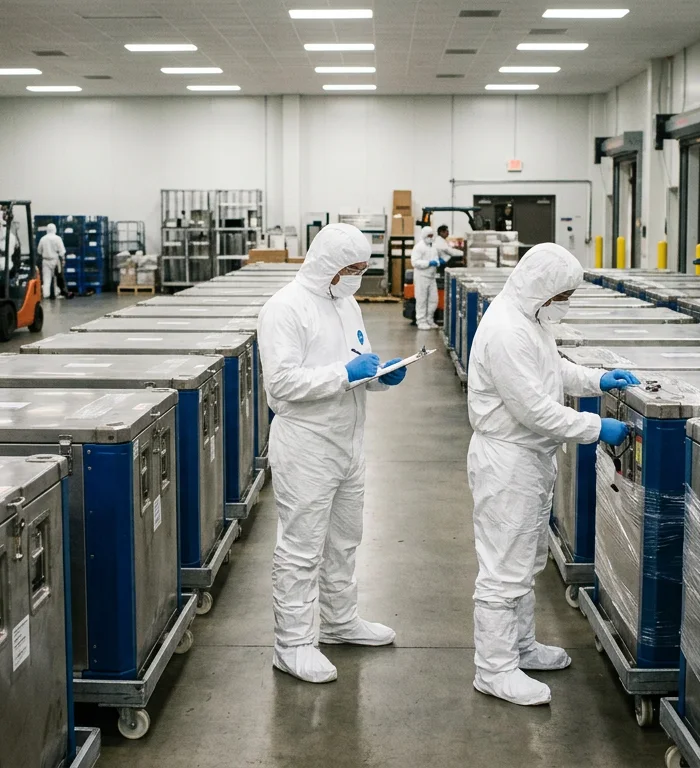
A total of 172 economies are currently engaged in discussions to participate in the COVAX Facility, a multilateral procurement mechanism designed to ensure equitable access to COVID-19 vaccines. The initiative, which serves as the vaccine pillar of the Access to COVID-19 Tools (ACT) Accelerator, aims to pool global buying power to secure volume guarantees and mitigate the risks associated with vaccine development.
The facility currently manages a portfolio of nine candidate vaccines, with an additional nine under evaluation. By diversifying the portfolio, the initiative seeks to hedge against the high failure rates inherent in vaccine development. The program is co-led by the Coalition for Epidemic Preparedness Innovations (CEPI), Gavi, and the World Health Organization, working in coordination with both developed and developing country manufacturers.
Participation is structured into two tiers
80 self-financing countries and 92 low- and middle-income economies eligible for support through the Advance Market Commitment (AMC). To operationalize the facility, participants must confirm their intent by August 31, with binding commitments required by September 18. Initial upfront payments are scheduled to follow, with a deadline of October 9.
COVAX Facility
Financial stability remains a primary institutional risk. While $1.4 billion has been committed to research and development, an additional $1 billion is required to sustain the current portfolio. The success of the facility depends on converting expressions of interest into binding financial commitments and addressing these funding gaps to ensure manufacturing capacity can be scaled effectively.
The allocation framework, currently under development, will dictate the distribution of successful vaccines to participating nations. The initiative is positioned as a strategic alternative to unilateral procurement, intended to prevent supply chain fragmentation and ensure that high-risk populations, including healthcare workers and the elderly, receive priority access regardless of a nation's economic status.
More stories
- Dietitians advise small swaps for plant-based eating
- TikTok dementia videos mislead in 66.4% of sample, researchers say
- Aberdeen Royal Infirmary faces police inquiry call over 19 deaths
- Bariatric surgery group loses 28.2% after GLP-1 use
- TOFA boosts mouse energy use 18% while preserving muscle
- ICO probes NHS therapy notes accessible to up to 140,000 staff
Latest news
- David Parr House to honor Victorian art-workman with blue plaque
- Iran's attacks hit 25 tankers near Strait of Hormuz
- FCC approves prison cellphone jamming despite 2.5-mile warning
- Russia strikes Ukraine as Odesa faces electricity strain
- Bahrain reports two injuries after Iranian aerial attacks
- Congress tests Black Democrats' growing policy influence
- Baltic responders fight Sparta II fire after drone strike
- Europe faces attribution gap after 16 cyber, physical incidents