

Data Center Expansion Risks Water Security in Stressed Regions
One-quarter of global data centers operate in water-stressed regions, creating significant risks for local resource security and potential regulatory hurdles…
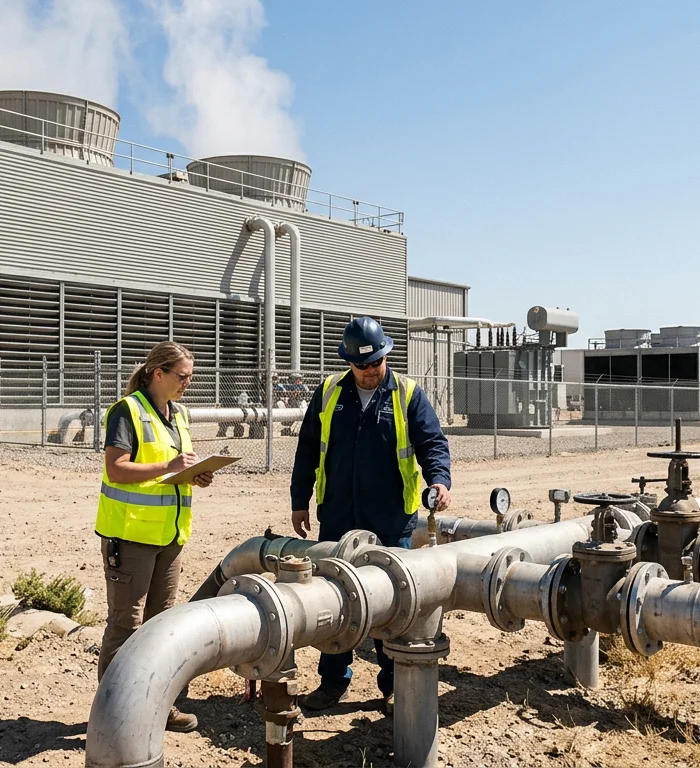
Approximately 25% of global data centers are currently situated in regions experiencing water stress, where demand frequently exceeds available supply. This concentration poses a significant operational and political risk, as these facilities rely on high volumes of water for evaporative cooling systems to maintain hardware temperatures. Research indicates that this consumption often peaks during hot, dry periods, directly competing with municipal and agricultural water needs.
Climate modeling suggests that the proportion of data centers operating in water-stressed areas could rise to 33% under a 3°C global warming scenario. This shift threatens to exacerbate local resource scarcity, potentially necessitating costly utility infrastructure upgrades. Because data center water demand is highly variable, annual averages often fail to capture the impact of peak-day consumption, which can reach millions of gallons per facility.
Institutional and municipal governance is currently hindered by
Institutional and municipal governance is currently hindered by Institutional and municipal governance is currently hindered by a lack of standardized reporting regarding data center water usage, location, and capacity. The absence of transparent disclosure complicates the ability of local planning boards and water managers to assess the long-term viability of new projects. Without clear requirements for operators to disclose drought-mitigation plans or infrastructure funding responsibilities, communities face increased exposure to resource volatility.
Policymakers and financial stakeholders should anticipate heightened regulatory scrutiny and public opposition regarding data center siting. Future project approvals are increasingly likely to require detailed environmental impact assessments that account for peak-demand scenarios during drought conditions. Investors should monitor for potential shifts toward air-cooling technologies, which, while reducing water dependency, may increase energy consumption and operational costs.
More stories
- Deal Sheet: Fortis shutdown costs over 400 jobs
- The Week in Games: GTA 6 turns attention into cash
- US data centres emit 25.7m tonnes of CO2, Harvard says
- German founders need 3,942 hours to open small business
- Leaked Deutsche Bank files test Sewing's reform narrative
- UAE employers plan 2.8% pay rises for 2027
- SoftBank faces leverage test after 60% share drop
- American Airlines puts premium products near half ticket revenue
- Tata Motors buys 89.42% of Iveco in $4.32bn deal
- Gordon Brothers faces pressure over 12,000 Poundland jobs
Latest news
- Trump prepares tariffs on China and other major exporters
- New-car buyers pay record average $50,087 in October
- Banks face ECB reserve debate over liquidity and profits
- Investors see Anthropic debut gains fade below $83 a share
- Iraq orders federal control over Kurdish-area oilfields
- Germans oppose Ukraine aid as poll shows support slipping
- Kim Jong-un receives 10 envoys after constitutional shift
- Ukraine claims Libya strike sinks Russian naval corvette