Xi Jinping Pressures Trump on Japan's Military
Xi Jinping confronted Donald Trump about Japan's military expansion during their Beijing summit, causing unexpected tension.
Lauren Collins ·
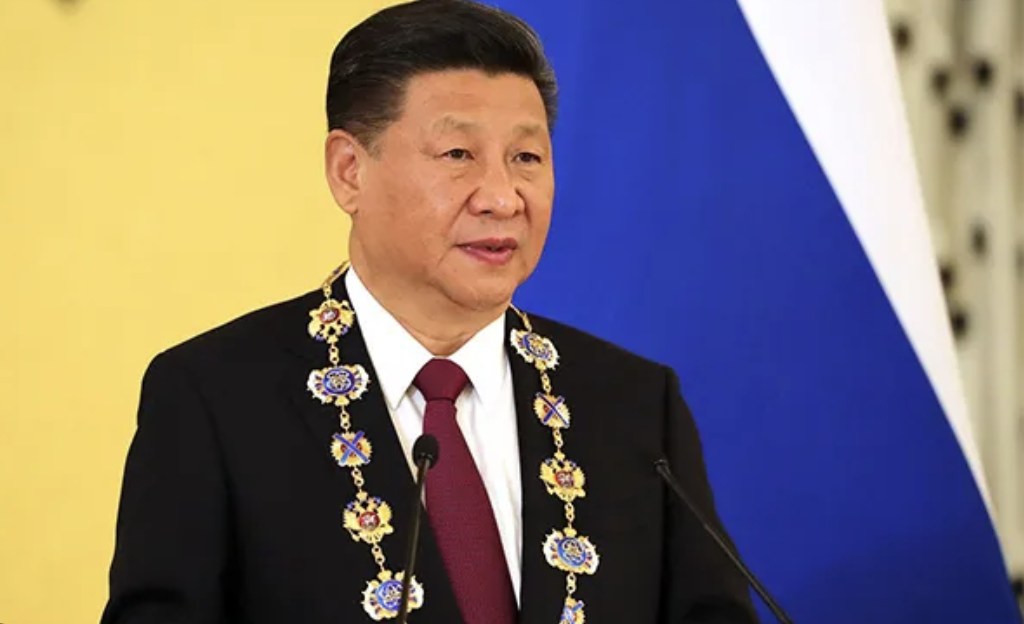
During a high-stakes summit in Beijing, Chinese President Xi Jinping sharply criticized Japan's growing military capabilities and stated intentions to U.S. President Donald Trump. The unexpected exchange occurred earlier this month and reportedly became the most intense moment of the leaders' discussions, according to sources familiar with the meeting. U.S. officials present were taken aback, as Japan's defense posture was not a pre-identified topic for the bilateral talks.
Regional Security Concerns Emerge
Xi's criticism focused on Japan's increased defense spending and its recent policy shifts concerning the sale of military hardware. He also expressed strong disapproval of signals that Tokyo might ease its long-standing pacifist principles regarding nuclear weapons. These developments in Japan have previously drawn rebukes from Beijing, intensifying regional anxieties.
President Trump reportedly responded to Xi by explaining that Japanese Prime Minister Sanae Takaichi has adopted a more assertive security stance out of necessity, citing the escalating threat posed by North Korea. This dynamic highlighted a divergence in how the two major powers perceive regional security challenges and the appropriate responses by allies like Japan.
Diplomatic Maneuvers and Future Implications
Following the summit, Prime Minister Takaichi and President Trump engaged in a phone call to discuss key matters within the Indo-Pacific region. Neither government disclosed the specific subjects of their conversation, leaving room for speculation about the coordination between Washington and Tokyo amidst Beijing's objections.
The incident underscores the complex geopolitical landscape in East Asia, where Japan's evolving defense policies are a significant point of contention. China views these shifts with alarm, perceiving them as a potential threat to regional stability and its own security interests. The reaction from Xi Jinping suggests these concerns are a top priority for Beijing in its dealings with the United States.
The summit's revelations indicate a potential deepening of the strategic divide between China and a U.S.-aligned Japan. How this tension evolves will likely shape future diplomatic engagements and security arrangements in the critically important Indo-Pacific theater. The United States' balancing act between its alliance with Japan and its relationship with China remains a central challenge.