Trump Says U.S., Iran Near MoU to Reopen Strait of Hormuz
The U.S. and Iran are nearing an agreement to reopen the Strait of Hormuz, mediated by Pakistan, despite lingering mistrust.
Lauren Collins ·
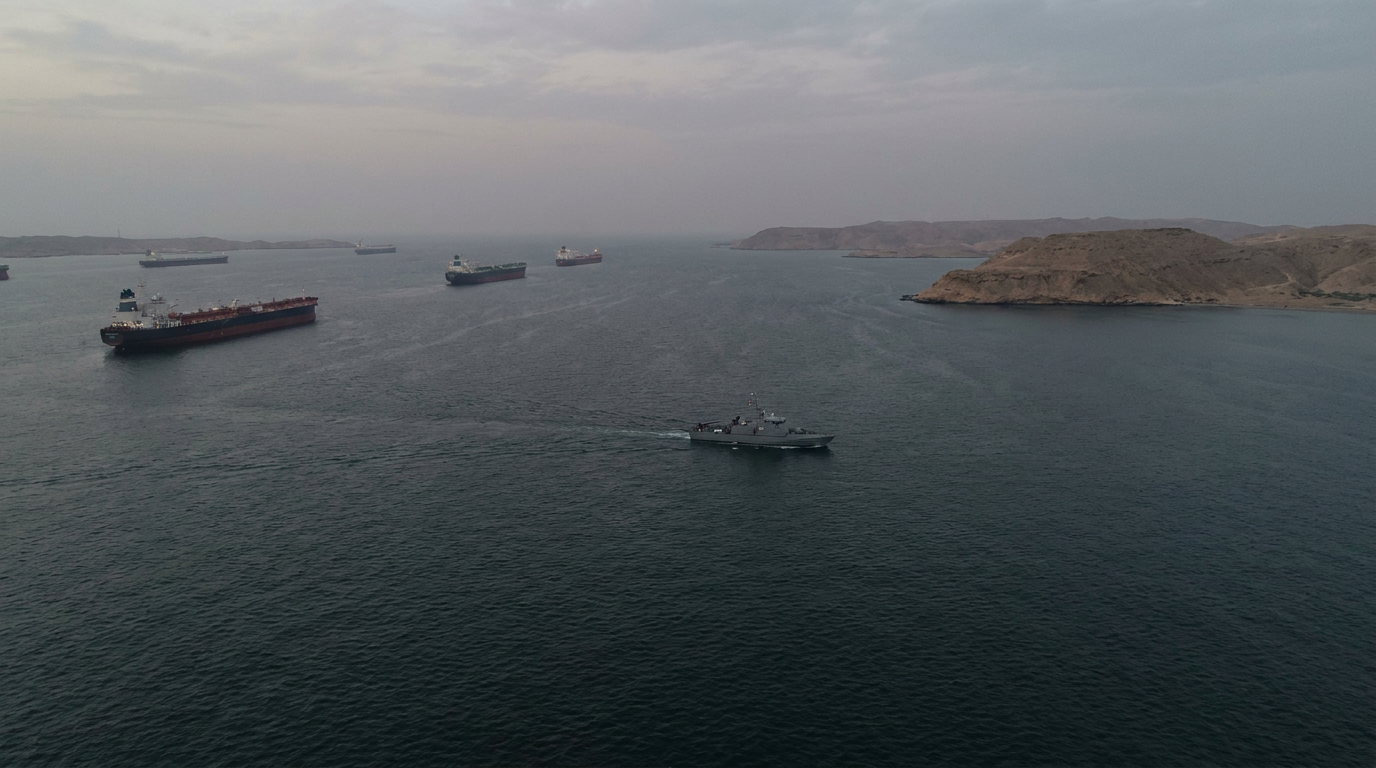
U.S. President Donald Trump said on May 24, 2026, that Washington and Tehran have largely negotiated a memorandum of understanding (MoU) that could reopen the Strait of Hormuz, a key global oil shipping route. The strait has been closed since February following the start of a conflict involving the United States and Israel. Pakistan’s Prime Minister Shehbaz Sharif, who is mediating the discussions, said the next round of talks would take place “very soon.”
Trump described the emerging document as a “Memorandum of Understanding pertaining to PEACE” and said it remained subject to finalization among the United States, Iran and other countries. He did not provide details of what else an agreement might include beyond the status of the waterway. Trump said reopening the strait could ease pressure on global energy markets.
U.S. Secretary of State Marco Rubio said “significant progress” had been made on resolving the situation in the Strait of Hormuz during a visit to India. Rubio also reiterated U.S. accusations that Iran sponsors terrorism and repeated Washington’s position that Tehran must not obtain a nuclear weapon.
Iran sets conditions, signals caution
Iranian Foreign Ministry spokesman Esmaeil Baghaei said there was a “trend towards rapprochement” with Washington, but he cautioned that it did not guarantee agreement on core issues. He said the MoU was intended as a framework and expressed hope that the details of a final agreement could be worked out within “30 to 60 days” after that framework is completed.
Baghaei linked progress to steps Iran wants in the first phase, including the full lifting of a naval blockade and the release of some frozen Iranian funds. He said these measures would be prerequisites to moving from a framework document to a fuller agreement.
Disputes over terms and regional reaction
Iran’s Fars News Agency disputed parts of Trump’s characterization of the draft, reporting that the proposed agreement would leave Iran in charge of the strait and calling Trump’s claims inconsistent with reality. The differing accounts underscored uncertainty over what the MoU would require in practice and whether it would change control or security arrangements in the waterway.
In Israel, Prime Minister Benjamin Netanyahu was expected to convene a security cabinet meeting to discuss the potential deal. Trump said the MoU remained under discussion and that final aspects would be announced later.
Markets and governments will watch for the next round of U.S.-Iran negotiations and for any public text of the MoU, including timelines for reopening the strait and the conditions attached.