US, Iran Edge Closer to De-escalation Deal
U.S. President Trump announced a deal to end the conflict with Iran is close, with final negotiations underway after diplomatic calls.
Lauren Collins ·
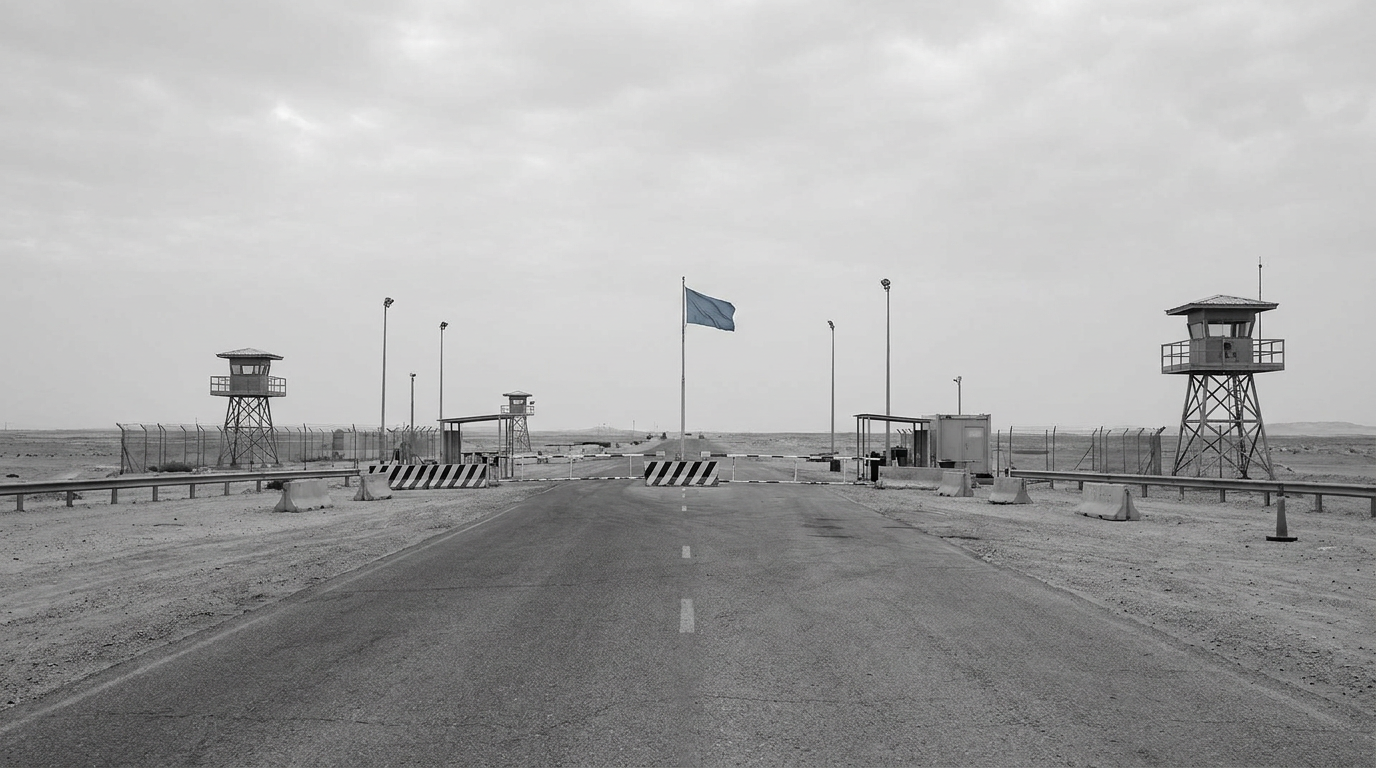
U.S. President Donald Trump indicated on Saturday that a deal to end the conflict with Iran was imminent, with final aspects under negotiation. This development follows separate calls between Trump and various Arab and Muslim leaders, as well as Israeli Prime Minister Benjamin Netanyahu. A U.S. official familiar with the negotiations stated that while the deal is largely complete, minor discrepancies in wording remain.
The proposed agreement aims to conclude the conflict, facilitate the gradual reopening of the Strait of Hormuz, and initiate at least 30 days of detailed negotiations on critical issues, including Iran's nuclear program. Despite previous instances where a deal seemed close but did not materialize, Trump's recent statements suggest increased confidence in reaching a resolution.
President Vance and Secretary of Defense Pete Hegseth
President Vance and Secretary of Defense Pete Hegseth were recalled to Washington for discussions on the deal, underscoring its immediate importance.
President Donald Trump
Regional leaders, including those from Saudi Arabia, the UAE, Qatar, Egypt, Turkey, and Pakistan, reportedly urged Trump to accept the deal during their calls. Pakistani Field Marshal Asim Munir, a key mediator, concluded talks in Tehran with encouraging progress.
Iran's foreign ministry spokesperson confirmed that both sides are in the final stages of discussions for a memorandum of understanding, which would also address the lifting of U.S. sanctions and the release of frozen Iranian assets, followed by a 30-60 day period for detailed agreement negotiations.