Iran Evokes History Amidst Deal Talks
Iran's leaders are using historical narratives of resistance to frame ongoing deal negotiations with the U.S. amidst a 66-day conflict.
Lauren Collins ·
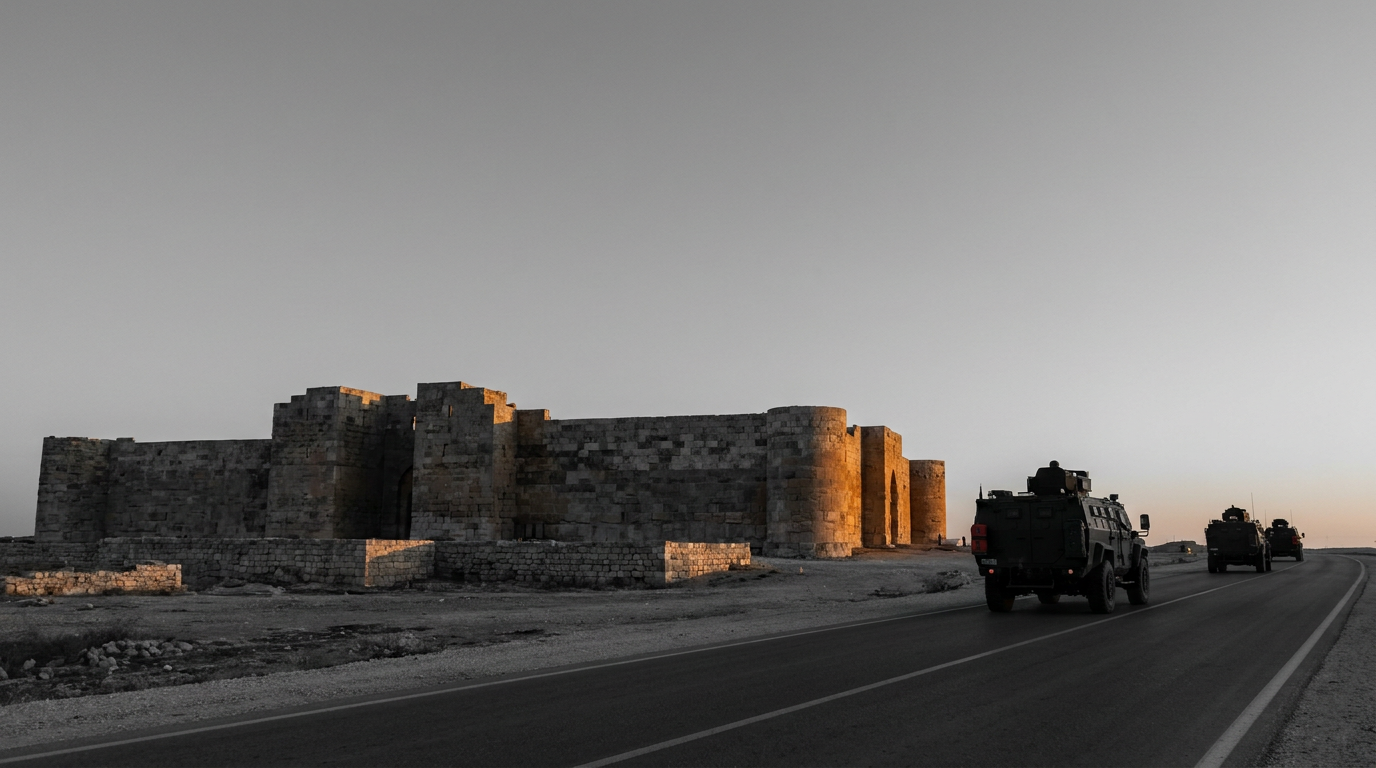
Iran's leadership, including Foreign Ministry spokesman Esmaeil Baghaei and IRGC commander Ahmad Vahidi, has invoked historical military victories and national resistance narratives in late May 2026, as discussions with the United States regarding a potential agreement to end a 66-day conflict progress. This messaging follows U.S. President Donald Trump's announcement that a deal had been "largely negotiated" and Tehran's indication of an imminent agreement.
Iranian officials have drawn parallels to ancient conflicts, such as the Roman-Persian wars, and more recent events like the 1982 recapture of Khorramshahr during the Iran-Iraq War. This historical framing aims to project an image of national resilience and a capacity to overcome external pressures. The anniversary of the Khorramshahr recapture, a significant turning point in the Iran-Iraq War, was highlighted to symbolize Iran's determination to maintain sovereignty.
The rhetoric from Tehran also included responses to a social media post by President Trump depicting a U.S. flag over a map of Iran. Iranian officials countered with similar imagery, suggesting a reciprocal assertion of influence. The U.S. administration's stated objectives for any agreement include a long-term suspension of uranium enrichment and the reopening of the Strait of Hormuz.