

Saudi Court Imposes Corporal Punishment for Extramarital Birth
A Kenyan migrant worker has been sentenced to 100 lashes for giving birth outside of marriage, highlighting the continued use of corporal punishment for…
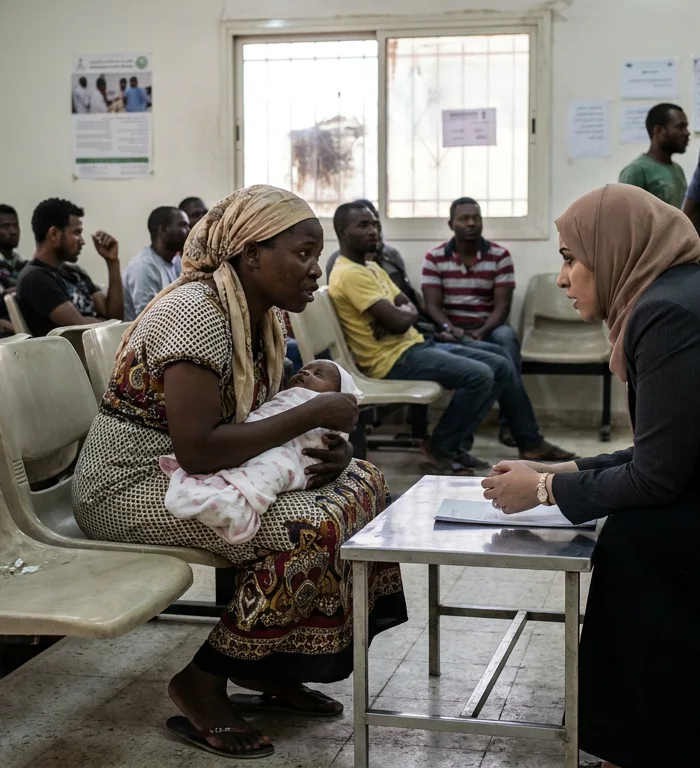
A Kenyan national working as a domestic employee in Saudi Arabia has been sentenced to 100 lashes following a conviction for giving birth outside of marriage. Under the prevailing legal framework, sexual relations outside of wedlock are classified as criminal offenses. The case was identified after medical personnel reported the birth to authorities, as required by local hospital protocols.
This sentencing highlights a persistent gap between official reform initiatives and judicial practice. While the government announced the abolition of flogging as a judicial punishment in 2020, the policy change primarily applied to discretionary (ta’zir) offenses. Corporal punishment remains a potential sanction for hudud offenses, which include categories such as adultery and extramarital sexual activity.
Human rights organizations have characterized the ruling as Human rights organizations have characterized the ruling as an act of violence, noting that migrant workers are particularly vulnerable to these legal mechanisms. The case has drawn international scrutiny, particularly regarding the status of migrant domestic workers who face limited legal recourse when abandoned by partners. The situation is further complicated by reports that children born to these women are often denied exit visas, effectively trapping both mother and child within the country.
Saudi Arabia
The incident coincides with the postponement of a scheduled visit by the UN special rapporteur on violence against women and girls. The rapporteur had intended to address specific cases of human rights concerns during the visit. Future developments will likely focus on whether international pressure influences the enforcement of such sentences or prompts further legislative clarification regarding the scope of judicial discretion in morality-based cases.
Institutional risk remains elevated for foreign nationals residing in the region, particularly regarding the intersection of labor contracts and local criminal statutes. Observers are monitoring whether this case signals a broader trend of strict enforcement despite ongoing efforts to modernize legal image. The lack of consular support for affected migrant workers continues to be a significant factor in the resolution of these legal disputes.
More stories
- Germans oppose Ukraine aid as poll shows support slipping
- Kim Jong-un receives 10 envoys after constitutional shift
- Ukraine claims Libya strike sinks Russian naval corvette
- COP31 climate talks collapse over fossil fuels and funds
- Russian military faces 1,087 recorded suicides in Ukraine war
- US faces China, Russia in Africa minerals contest
- Spanish workers stage first general strike in 14 years
- Singapore faces 400-post Indonesia disinformation push
- Refinery attacks put Russia's diesel export plans in focus
- Spain faces high-speed rail trust crisis after 69-death crash
Latest news
- Trump prepares tariffs on China and other major exporters
- New-car buyers pay record average $50,087 in October
- Banks face ECB reserve debate over liquidity and profits
- Investors see Anthropic debut gains fade below $83 a share
- Iraq orders federal control over Kurdish-area oilfields
- Nvidia shares retreat as AI rally cools before PCE data
- Macy’s parade faces balloon limits as storm winds approach