

Kazakhstan and Pakistan Pursue Expanded Trade and Maritime Connectivity
Kazakhstan and Pakistan are seeking to establish new trade corridors to the Indian Ocean to reduce Kazakhstan’s reliance on Russian transit routes and boost…
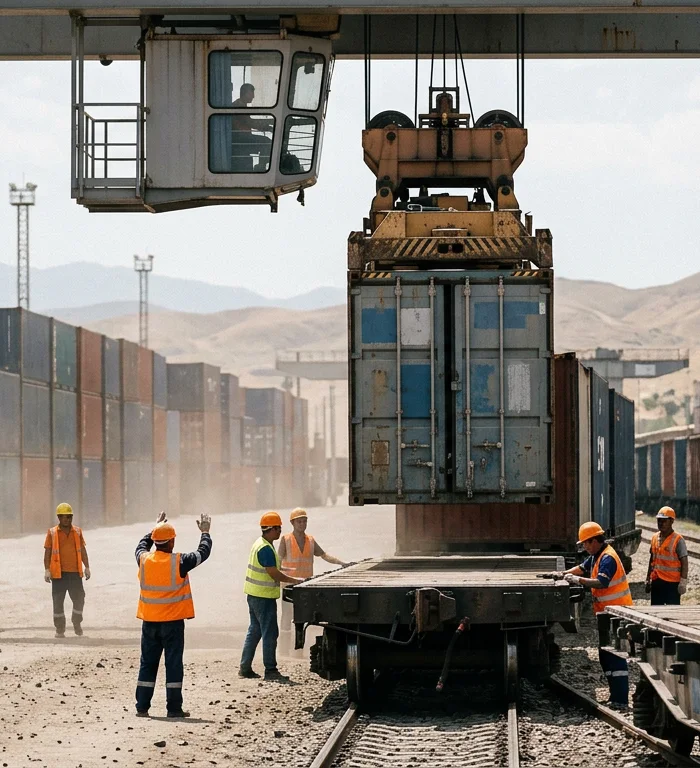
Kazakhstan and Pakistan are actively pursuing a strategic partnership to establish new trade corridors linking Central Asia to the Indian Ocean. During the recent Tianshan Forum in Almaty, Pakistani officials formally proposed the use of the Karachi, Qasim, and Gwadar ports as maritime gateways for landlocked Kazakh exports. This initiative builds upon a February 2026 joint declaration that established a formal strategic partnership between the two nations.
For Pakistan, the proposal represents a critical effort to increase the utilization of the Gwadar Port, which has struggled to achieve consistent commercial scale since its 2007 inception. By positioning itself as a transit hub for Central Asian goods, Pakistan seeks to stabilize its fragile domestic economy and diversify its logistics revenue streams. The success of this strategy remains contingent on the development of reliable transit infrastructure through Afghanistan.
Central Asia
Kazakhstan’s interest in this partnership is driven by a long-term policy to reduce its heavy reliance on Russian-controlled transit routes. Currently, approximately 80 percent of Kazakh oil exports transit through Russia via the Caspian Pipeline Consortium, leaving economy vulnerable to geopolitical disruptions and infrastructure attacks. Diversifying trade routes is viewed as a security imperative to maintain strategic autonomy and ensure consistent access to international markets.
Proposed connectivity plans include extending existing rail infrastructure from Turkmenistan through Afghanistan to the Pakistani border. While Kazakhstan has already signed a protocol of intent to develop the Turgundi-Herat-Kandahar-Spin Boldak railway line, the project remains in the planning stages. The viability of these routes depends on regional stability within Afghanistan and the successful integration of multi-modal transport networks across Central and South Asia. Policymakers should monitor the progress of these rail developments as a key indicator of shifting regional trade dependencies.
More stories
- Germans oppose Ukraine aid as poll shows support slipping
- Kim Jong-un receives 10 envoys after constitutional shift
- Ukraine claims Libya strike sinks Russian naval corvette
- COP31 climate talks collapse over fossil fuels and funds
- Russian military faces 1,087 recorded suicides in Ukraine war
- US faces China, Russia in Africa minerals contest
- England hospital consultants pause 48-hour strike
- Gibran resignation starts Indonesia's 60-day VP replacement clock
Latest news
- Trump prepares tariffs on China and other major exporters
- New-car buyers pay record average $50,087 in October
- Banks face ECB reserve debate over liquidity and profits
- Investors see Anthropic debut gains fade below $83 a share
- Iraq orders federal control over Kurdish-area oilfields
- Nvidia shares retreat as AI rally cools before PCE data
- Macy’s parade faces balloon limits as storm winds approach