WhatsApp Introduces Custom Usernames to Obscure Personal Phone Numbers
WhatsApp is introducing unique usernames to allow users to chat without sharing phone numbers, enhancing privacy for its three billion global users.
Jason Kwon ·
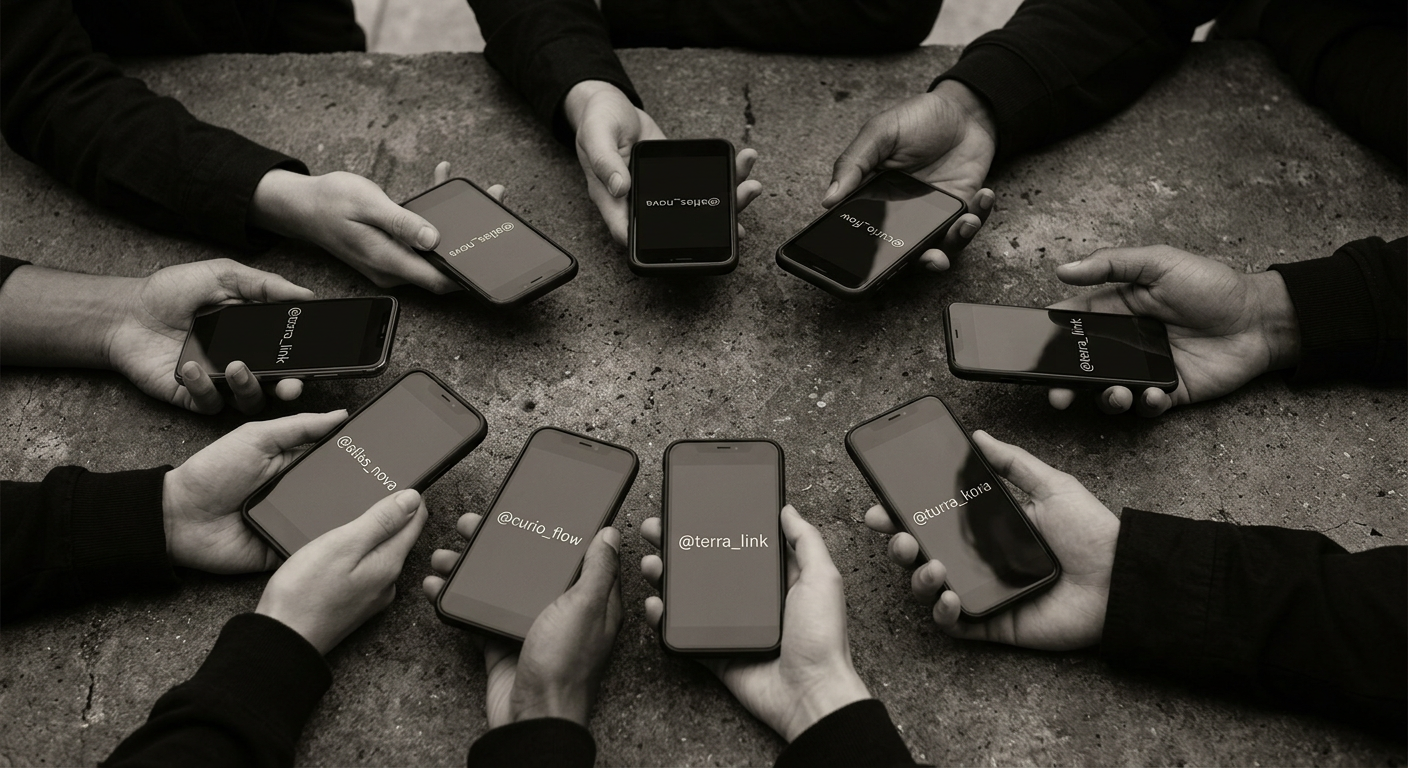
Meta-owned messaging platform WhatsApp will allow its three billion users to communicate via unique usernames, initiating a major architectural shift away from phone number-based identification. The application opened early account reservations on Monday ahead of a broader global rollout scheduled for later this year. The platform aims to close a longstanding privacy vulnerability that allowed anyone with a mobile connection to reach an existing account.
Historically, anyone possessing a user's cellular dialing sequence could initiate direct contact across the communication network. The end-to-end encrypted platform currently synchronizes unread messages securely across smartphones, personal tablets, and desktop computers.
Under the forthcoming system, individuals can decide to be found and contacted exclusively through custom alphanumeric strings. These custom usernames must range strictly between three to 35 characters in length, obscuring personal credentials from complete strangers.
Previous native privacy controls on the application were
Previous native privacy controls on the application were definitively restricted to blocking individual accounts and silencing unknown incoming callers. While digital profile names were technically supported in past updates, they remained visible solely within active group chats. This visibility was limited exclusively to participants who had not already saved the target individual's contact information into their mobile device.
Elimination of public directory searches
The system update completely removes familiar social media discovery mechanics to secure the network against unwanted mass outreach and automated spam accounts. The platform architecture deliberately omits centralized public profile directories and standard predictive autocomplete functionality.
Senders must manually input exact alphanumeric handles into the application to initiate any initial communication with a brand new account. "We have designed this as a core privacy feature.
People will need to know your exact username to contact you for the first time." Alice Newton-Rex, the vice president of product at WhatsApp, stated to reporters regarding the structural software change.
Defenses against handle impersonation
To prevent malicious data scraping and bad faith
To prevent malicious data scraping and bad faith impersonation during the initial scramble for recognizable identifiers, the platform will hold back specific high-value handles. These explicitly reserved usernames apply directly to high-profile public figures, recognizable celebrities, and official government entities.
Establishments and digital creators with existing footprints on sibling Meta properties will simultaneously receive elevated priority. Verified commercial entities currently operating on Instagram and Facebook receive the immediate opportunity to claim their matching business usernames.
While consumer demographics in the United States maintain a historical preference for standard unencrypted text messaging, the Meta application heavily dominates digital communication infrastructure across Europe, Asia, and several developing economies. Memorable online handles remain highly coveted assets within these major global consumer markets. The development team expects an immediate and massive surge in traffic as users rush to secure recognizable premium identifiers.
"I think a lot of people will go and get usernames, and that's why we decided to open reservations early."
Newton-Rex added during the announcement schedule briefing. The definitive transition toward the updated username format will scale progressively across worldwide servers over the coming months. Market analysts will watch the global migration closely as millions of active accounts shift away from their foundational numeric mobile identifiers.