

Global Space Race Ignites Multi-Billion Dollar Moon Base Expansion
Major powers are investing billions into lunar infrastructure to secure strategic advantages in resource mining and deep-space logistics, despite significant…
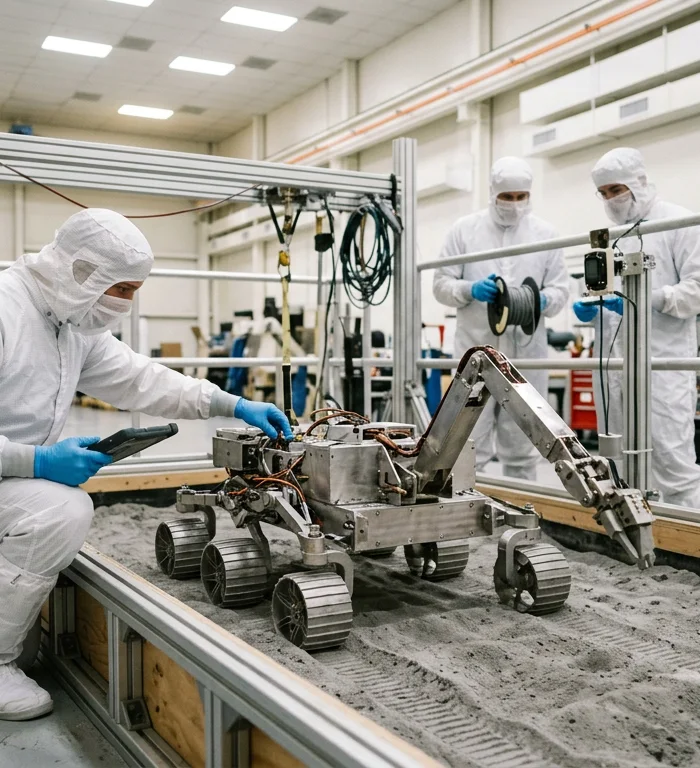
International space agencies and private entities are initiating a long-term effort to establish permanent lunar infrastructure, with initial development costs projected in the tens of billions of dollars. The current strategic objective centers on the lunar south pole, where the presence of water ice is considered essential for sustaining long-term habitation and producing rocket propellant. This initiative is characterized by intense geopolitical competition, primarily between the United States and China, as both nations seek to establish operational precedents for lunar resource management and territorial governance.
Technological requirements for these outposts include the deployment of nuclear power plants, autonomous robotic construction systems, and advanced life-support networks capable of operating in extreme environments. The lunar surface presents significant engineering challenges, including extreme temperature fluctuations, high levels of cosmic radiation, and corrosive volcanic dust. Current planning phases focus on exploration and technological validation, with long-term goals shifting toward the establishment of research stations, mining operations, and launch facilities by the 2030s.
Beyond immediate nationalistic objectives, the moon is viewed as a critical logistical hub for deeper space exploration. Its low gravity and lack of atmosphere offer significant energy efficiencies for launching missions to Mars and other solar system destinations. Furthermore, the lunar surface provides an optimal environment for high-resolution astronomical observation, free from the interference of Earth’s atmosphere.
Institutional risk remains high, as the viability of these projects depends on achieving self-sustaining resource extraction and maintaining safety standards within a hostile environment. The long-term success of these bases will be dictated by the ability to balance high capital expenditures against the acceptable risk of human casualty. Policymakers are currently evaluating the legal and economic frameworks necessary to govern these future lunar assets, as the entity that establishes the first permanent infrastructure will likely influence the regulatory standards for future lunar activity.
More stories
- Europe faces attribution gap after 16 cyber, physical incidents
- PIF backs Grand Theft Auto as Saudi players embrace game
- Signal limits screenshots to curb AI access to messages
- Cognition runs Devin Mac workspaces on EC2 in 6 AWS regions
- Salesforce engineers cut 600-failure triage to 90 minutes
- Türkiye Desk: GTA 6 puts console access and network demand in focus
- PlayStation and PC software sales rise to 21 million in Japan behind Capcom's latest hit
- "Friction-maxxing "Silicon Valley Spent Billions Removing Friction. Now People Are Paying to Put It Back.
Latest news
- Trump prepares tariffs on China and other major exporters
- New-car buyers pay record average $50,087 in October
- Banks face ECB reserve debate over liquidity and profits
- Investors see Anthropic debut gains fade below $83 a share
- Iraq orders federal control over Kurdish-area oilfields
- Germans oppose Ukraine aid as poll shows support slipping
- Kim Jong-un receives 10 envoys after constitutional shift
- Ukraine claims Libya strike sinks Russian naval corvette