West Bengal says 14 held in NEET protest were not students
West Bengal leader Suvendu Adhikari said 14 people arrested over NEET-linked protest violence were “not students,” citing investigators.
Mei Lin ·
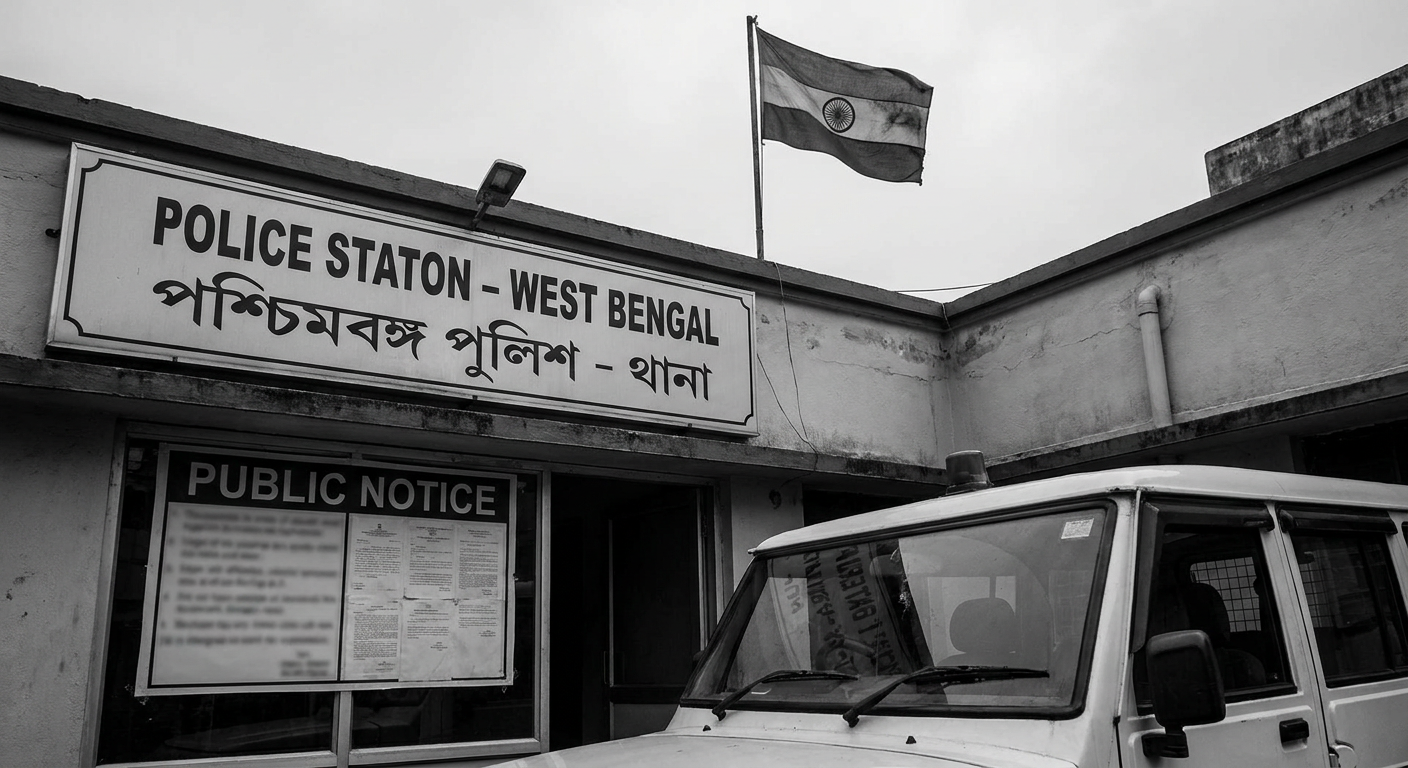
West Bengal political leader Suvendu Adhikari said on Sunday that 14 people have been arrested in connection with violence linked to a protest tied to NEET, India’s National Eligibility cum Entrance Test for medical admissions.
Speaking to reporters, Adhikari said investigators concluded the 14 arrested were “not students.” He alleged they joined the rally while presenting themselves as student activists in order to trigger unrest.
NEET protests and why they draw scrutiny
NEET is the nationwide exam used to determine entry into undergraduate medical education in India, and it routinely becomes a focus of political attention because it affects millions of candidates across states.
In eastern India, education-related disputes can quickly turn into partisan flashpoints. The source material describes competing student groups and political organisations mobilising around exam administration, alleged irregularities, and the pressures associated with high-stakes testing.
Street protests, identification tools, and political narratives
The account also notes West Bengal’s long history of street politics, where demonstrations may combine student participation with wider party mobilisation.
When protests turn violent, state authorities typically rely on CCTV footage and mobile video to identify suspects, according to the source material. Political leaders, meanwhile, often describe such violence either as a spontaneous response to grievances or as agitation driven by opponents.
In that context, claims that “infiltrators” were behind violence can strengthen political narratives and be used to justify tighter policing of rallies, particularly in dense urban areas where disruptions can spill into traffic, commerce, and public services.
National sensitivity around a centralised exam
The source material adds that controversies around NEET can reverberate beyond West Bengal because the test is centralised and closely tied to public confidence in institutions.
It also notes that competing perceptions—whether exam-linked protests are being hijacked, or whether policing is being politicised—can feed wider debates about fairness in access to education and how authorities handle dissent.
What remains unverified and what may come next
Adhikari’s statement hinges on investigators’ conclusion that none of the 14 arrested are students. The source material points to a specific uncertainty: whether West Bengal Police, or another competent authority named in official case updates, will publicly file or disclose charge details that substantiate the claim.
It says such disclosures could include identity and affiliation information that can be verified through court filings or official statements, and suggests watching for those details by 2026-08-15.