Six-level autonomy scale set for senior care robots
A new six-level autonomy scale for senior care robots aims to standardise capabilities as facilities face staffing shortages and rising dementia prevalence.
Jason Kwon ·
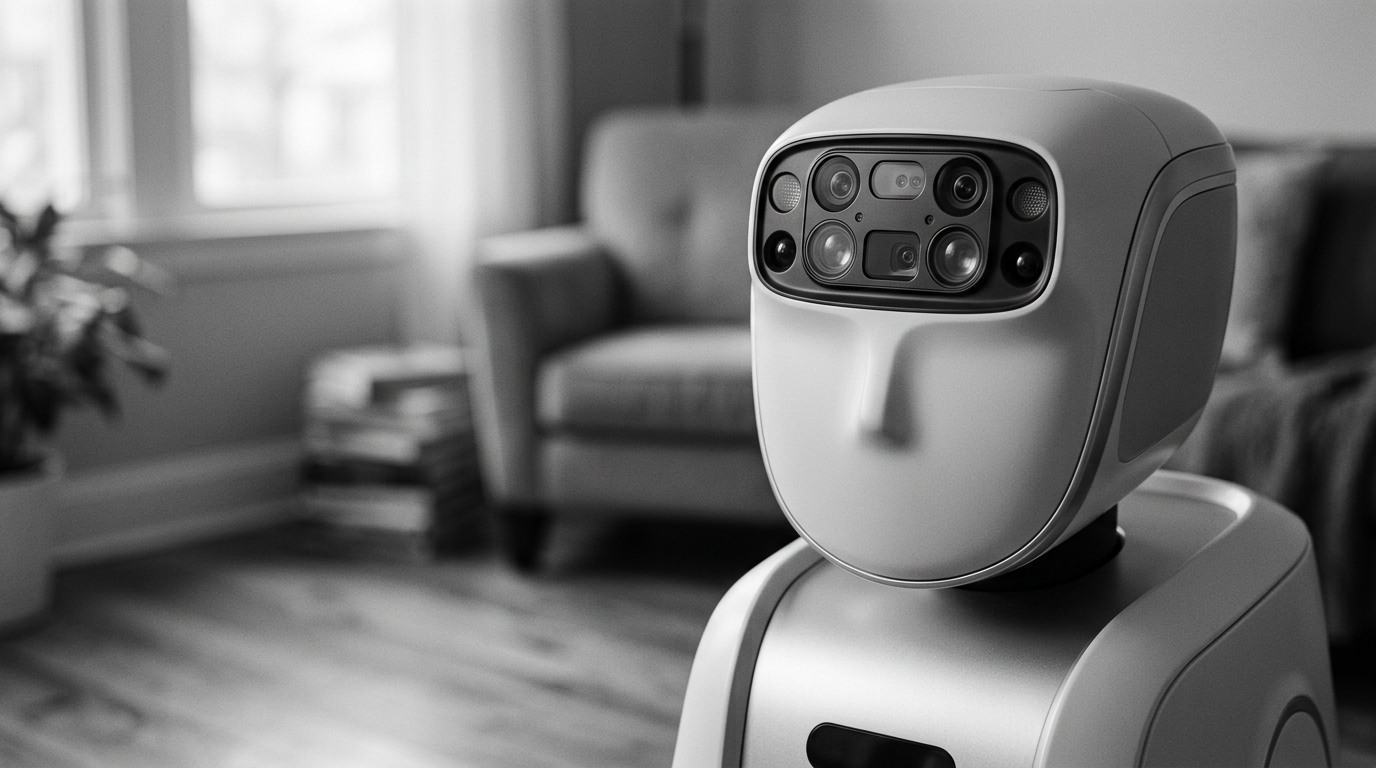
Researchers have proposed a new six-level framework to measure how independently senior care robots can support daily wellness, positioning it as a potential standard amid severe healthcare staffing shortages. The model, called the Care Robot Autonomy Scale , is presented as a way to classify systems designed for routine care rather than one-off medical tasks.
According to a white paper sponsored by DreamFace Technologies, the framework is intended to move the industry beyond incremental automation that addresses only narrow problems. The paper argues that demographic pressures, combined with workforce deficits and increasing dementia prevalence, are intensifying demand for tools that can help care teams sustain day-to-day wellbeing support.
How the Care Robot Autonomy Scale is structured
The proposed scale measures robotic capability across four functional areas: assessment, intervention, social intelligence, and care coordination. Researchers said the structure is modeled on established standards used to describe driving automation, with the of giving developers, care providers, and regulators a shared vocabulary.
Rather than treating robots as single-purpose devices, the model frames senior care robots as integrated systems that can manage daily wellness routines. This shift reflects the view that many existing tools in senior care—while useful—operate as isolated features rather than coordinated support.
Why operators say current tools are not enough
Care facility operators report that pressures are converging from two directions: an aging demographic and severe staffing constraints. Officials in the sector say those workforce limitations reduce the time available for staff to deliver individualized wellness programming.
The white paper describes current technologies such as basic reminder applications, simple fall detectors, and voice assistants as targeting only specific segments of care. In that framing, these tools may help with discrete needs but do not constitute systems capable of managing broader daily wellness support.
Wellness model and a separate robot category
The framework organizes senior support around seven interdependent dimensions of wellness defined by the International Council on Active Aging. Using that structure, the model proposes a distinct category of socially assistive robots , separating them from companion devices, targeted medical equipment, and general-purpose humanoids.
By defining what qualifies as socially assistive within a wellness framework, the proposal aims to standardize expectations for what these robots can do and how their autonomy should be described across settings.
Roadmap and requirements for broad deployment
The white paper sets out a three-phase technical roadmap for the sector and includes projections that full wellness autonomy could emerge by the early 2030s. The timeline depends on advances in physical artificial intelligence and vision-language-action models, which the authors link to safer, more capable human-robot interaction.
It also states that widespread commercial deployment will require standardized clinical evidence showing that autonomous interventions meet established safety standards. That requirement, the paper says, implies close alignment among platform developers, clinical researchers, and regulatory bodies over the next decade, with safety in both residential and clinical settings treated as a core constraint.