

Uzbekistan’s Power Grid Nears Total Collapse Without $8 Billion Overhaul
Uzbekistan needs $8 billion to modernize its energy infrastructure, but governance issues and legal instability continue to deter foreign investment.
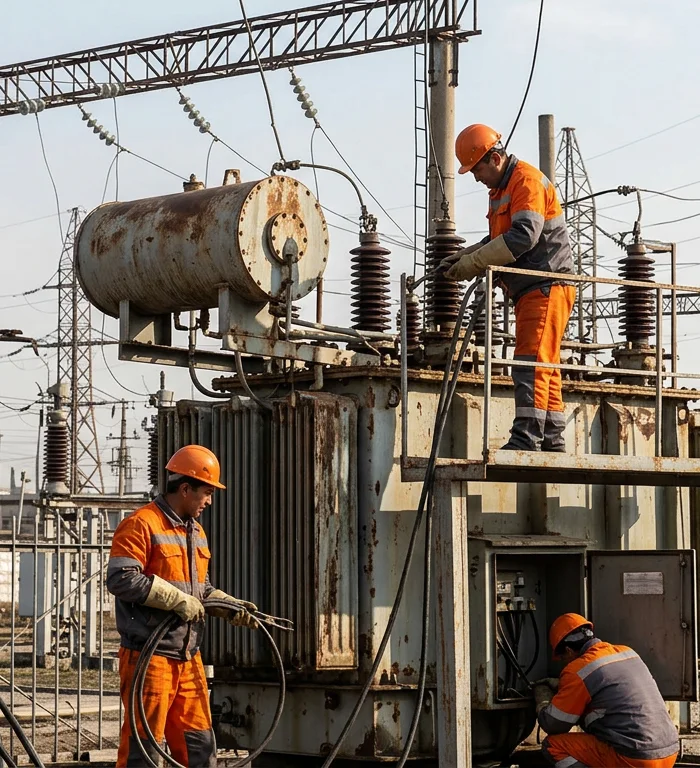
Uzbekistan’s energy sector is currently experiencing a systemic crisis characterized by declining domestic production, rising import dependency, and significant infrastructure inefficiencies. The nation has transitioned from a net energy exporter in 2019 to a net importer, with current import levels reaching 28 percent. Domestic gas production fell by an estimated 15 percent in the first quarter of 2026, while electricity grid losses remain high at 17.2 percent.
External geopolitical pressures have exacerbated these domestic vulnerabilities. Disruptions to shipping in the Strait of Hormuz have increased global energy costs, while strikes on Russian refining capacity have constrained the supply of gasoline and diesel, upon which Uzbekistan relies for over 25 percent of its fuel needs. These factors have led to record-high domestic energy prices and highlighted the country’s lack of energy diversification, with renewables currently accounting for only 19 percent of electricity generation.
To address these challenges, the government has identified a requirement for $8 billion in infrastructure investment over the next decade. Recent efforts to secure international capital have been hampered by governance issues, including bureaucratic obstacles, corruption, and a perceived lack of legal certainty. High-profile international energy projects have faced significant disruptions, including legal investigations into consortium members and the detention of high-ranking officials, which have deterred foreign participation.
While the World Bank and the Asian Development Bank have recently approved $300 million in loans to support energy system upgrades, long-term stability remains contingent on structural reforms. Analysts indicate that attracting the necessary private investment will require a fundamental overhaul of judicial practices and the establishment of robust protections for property rights. Without these governance improvements, the country remains highly exposed to external market volatility and continued infrastructure degradation.
More stories
- ICE arrests at Seattle airport draw protests and scrutiny
- EU rejects COP31 deal as fossil fuel divisions block pact
- Staff notice in Commission cyberattack tests EU response
- Britain-EU deal eases food checks and youth travel rules
- European troops in Poland drill near reported missile crash
- Brooklyn collapse kills eight as city orders site sweeps
Latest news
- Trump prepares tariffs on China and other major exporters
- New-car buyers pay record average $50,087 in October
- Banks face ECB reserve debate over liquidity and profits
- Investors see Anthropic debut gains fade below $83 a share
- Iraq orders federal control over Kurdish-area oilfields
- Germans oppose Ukraine aid as poll shows support slipping
- Kim Jong-un receives 10 envoys after constitutional shift
- Ukraine claims Libya strike sinks Russian naval corvette