Utilities brace as heat wave lifts demand across the East
A heat wave is expected to spread across the eastern U.S. this week, raising health risks for July 4 events and complicating Western wildfire efforts.
Ayla Demirhan ·
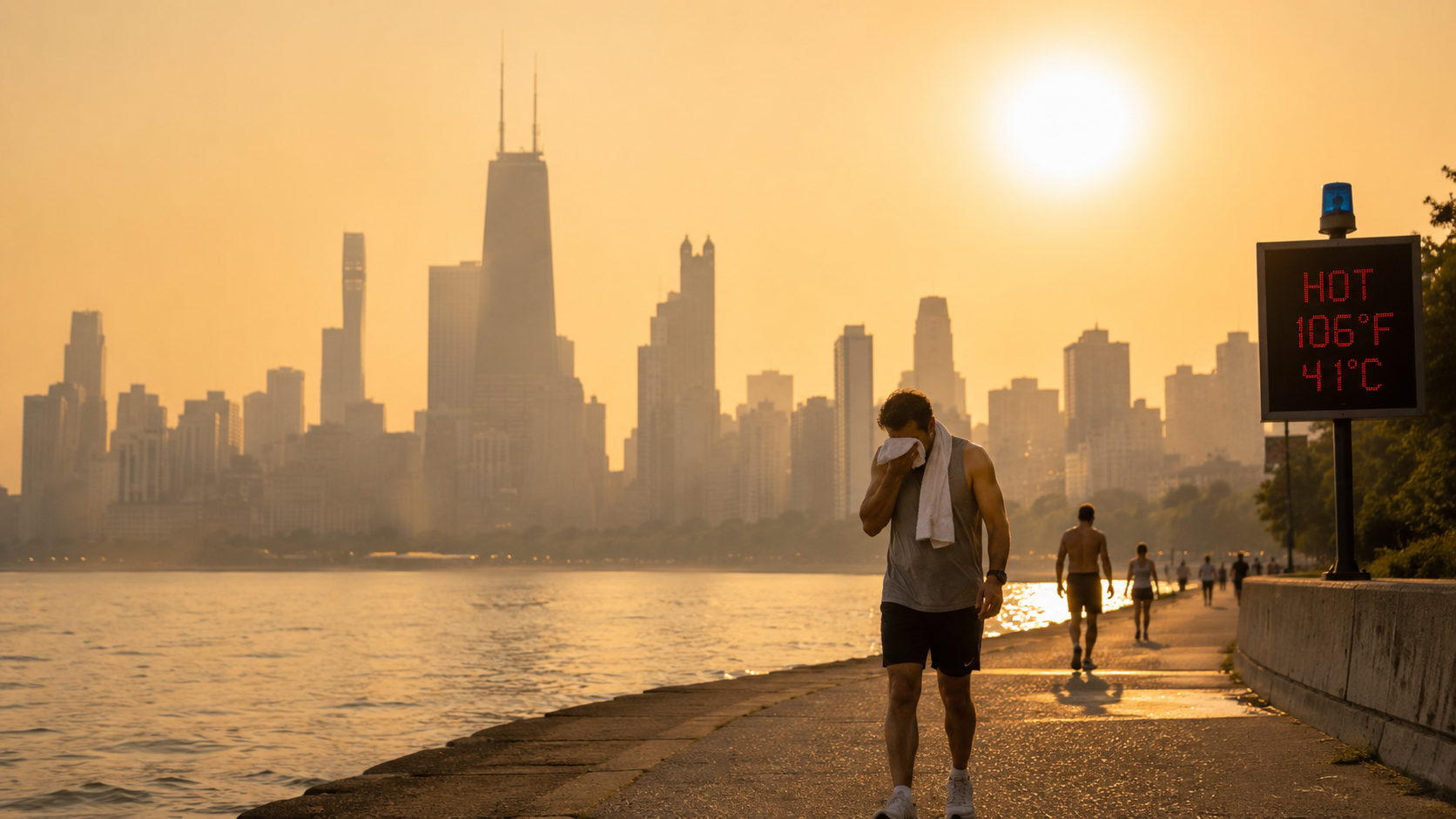
A heat wave is set to expand across the eastern half of the United States this week, elevating the risk of heat-related illness as Independence Day events draw millions outdoors.
Forecasts indicate multiple large metro areas could register their highest temperatures so far this year, with the most widespread impacts expected to run through the holiday period.
Hottest stretch of the year possible for major metros
Several population centers are positioned for potentially record-challenging or season-high heat, including Chicago, Detroit, St. Louis, Dallas and Nashville, according to forecast outlooks.
The timing is notable because July 4 celebrations often feature parades, cookouts and fireworks that can keep crowds outside for hours, including during late-afternoon peak heat.
Public health guidance typically emphasizes hydration, shaded breaks and checking on older adults and people with chronic conditions, who face higher risks when heat and humidity persist for multiple days.
Local officials in many regions often respond to prolonged heat by expanding access to cooling centers, extending pool hours, or issuing outdoor-activity advisories for community events. Travelers should also expect heat to increase the likelihood of vehicle breakdowns and strain on outdoor workers, particularly where overnight temperatures stay elevated.
Holiday travel and power demand add pressure
A broad heat wave can push electricity use higher as air conditioners run for longer periods, tightening operating margins for utilities and raising the odds of localized outages during peak demand.
Even without major grid disruptions, high demand periods can translate into higher energy costs for households and businesses, especially in areas where heat stretches across several consecutive days.
Transportation systems can also be affected. Extreme heat has the potential to degrade road surfaces, increase the risk of rail slowdowns in some corridors, and reduce aircraft performance on the hottest afternoons, which can contribute to delays during a busy travel week.
Western heat adds complications for wildfire response
While the most widespread heat is expected in the East, rising temperatures in the West are also forecast to create tougher conditions for firefighting crews working in the Four Corners region.
Hotter weather can dry vegetation further and increase the pace at which fires spread, while also raising the physical stress on crews and limiting the duration of safe work shifts.
The combination of elevated heat and active fires can worsen air quality downwind, which is particularly concerning for people with asthma or other respiratory conditions. Communities near ongoing incidents often monitor smoke forecasts alongside temperature outlooks when planning outdoor activities.
In the near term, the key question is how long the heat wave persists and whether overnight lows remain high enough to prevent recovery between hot days. Forecasters and emergency managers will also watch for any overlap between the hottest conditions and densely attended July 4 gatherings, where medical calls can increase during prolonged exposure.
Officials are expected to continue refining heat messaging and operational plans as updated forecasts narrow in on peak temperatures and humidity. Residents and event organizers should monitor local alerts and be prepared to adjust schedules, add shaded rest areas, and ensure ready access to water through the holiday week.