Geopolitical shocks steer sovereign investors into energy bets
Sovereign wealth funds and central banks overseeing $29 trillion are tilting toward energy assets as geopolitical shocks drive diversification and stir…
Atlas Newsdesk ·
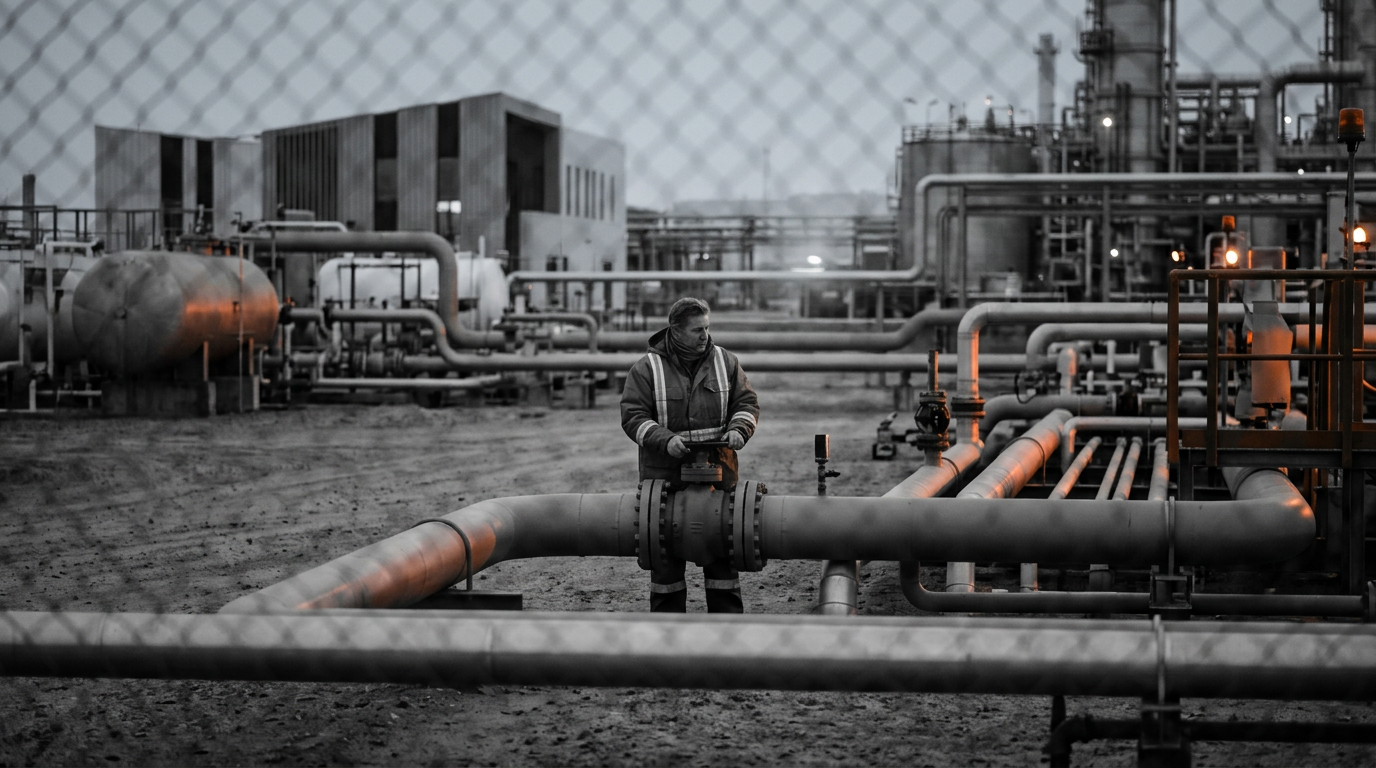
Sovereign wealth funds and central banks overseeing $29 trillion are shifting portfolios toward energy assets, as widening geopolitical risks revive concerns about the dollar.
An Invesco survey released Monday found public investors increasingly prioritising holdings designed to remain stable through disruptions such as tariff flare-ups, trade bottlenecks and wars.
Energy security moves to the centre of portfolio strategy
According to the survey, 80% of respondents viewed energy security and energy-transition infrastructure as the most credible areas for strengthening portfolio resilience.
The poll covered 90 sovereign wealth funds and 54 central banks, a group whose collective allocation choices can shape demand across public and private markets.
Invesco’s findings point to a reassessment of diversification itself, with more emphasis on assets that can absorb shocks without forcing rapid selling in stressed conditions.
That shift is being driven by what the report characterised as an unusually complex operating backdrop: higher odds of inflation surprises, more frequent geopolitical flashpoints and a global trading system that can be constrained by policy or conflict.
Infrastructure allocations rise as risks multiply
The report said infrastructure represented 9% of sovereign wealth fund assets in 2026, highlighting a gradual but meaningful move toward real-economy exposure.
While the survey did not break out individual subsectors, it singled out energy-transition infrastructure alongside energy security as core themes, reflecting demand for assets linked to power generation, grids and related systems.
Invesco also pointed to the build-out of AI-related facilities as an additional tailwind for energy-linked investment. Data centres and the broader AI supply chain are widely viewed as electricity-intensive, reinforcing interest in generation capacity and supporting infrastructure.
The survey framed these allocations as part of a “portfolio reassessment” prompted by what it described as unprecedented geopolitical shifts, including trade tariffs, shipping disruptions and ongoing conflicts in Ukraine and the Middle East.
Dollar questions resurface amid fragmentation
Alongside the tilt toward energy assets, the survey noted renewed concern about reliance on the U.S. dollar, a theme that has periodically intensified as geopolitical fragmentation has grown.
For central banks and sovereign wealth funds, currency considerations often intersect with liquidity needs and risk management, making the dollar’s role central to portfolio construction even when diversification is a priority.
Invesco head of research Benjamin Jones said investors are revisiting longstanding assumptions as markets become more concentrated and the range of macro outcomes widens.
“In a world of inflation shocks, geopolitical fragmentation and more concentrated markets, investors are rethinking old assumptions about diversification and redesigning portfolios to withstand a wider range of outcomes,” Jones said.
The survey results suggest that energy-related real assets are increasingly seen as a practical hedge against multiple scenarios: disrupted trade routes, commodity and price volatility, and the policy costs of accelerating decarbonisation while safeguarding supply.
Next steps to watch include whether infrastructure allocations continue to rise from current levels and how quickly public investors translate stated energy priorities into measurable portfolio changes, particularly as tariff policy, shipping constraints and war-related risks remain unresolved.