

US Efforts to Restrict Iranian Overland Trade Routes Face Implementation Challenges
US efforts to disrupt Iranian overland trade routes have increased logistical costs and insurance premiums for local businesses, though the long-term impact…
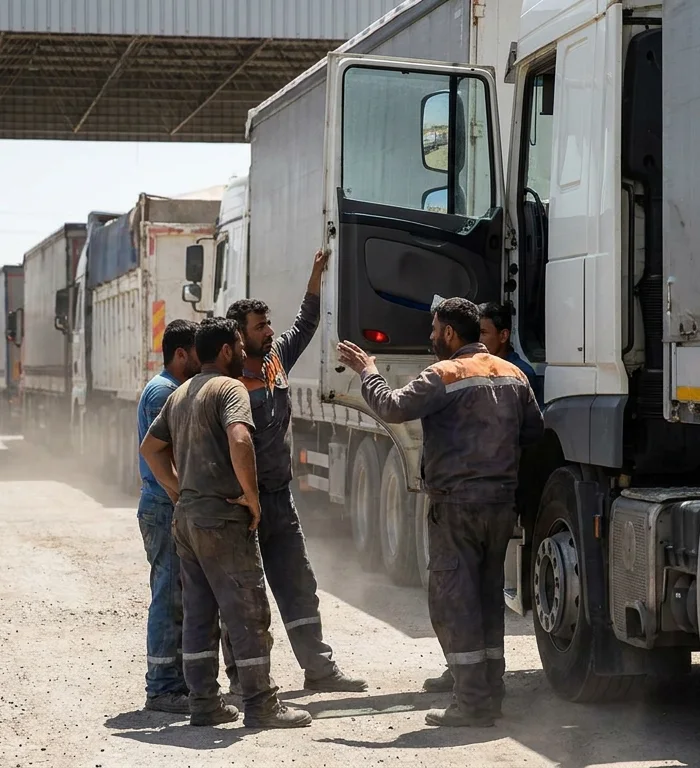
The United States is actively targeting Iran’s overland trade routes in an effort to restrict the country's economic mobility and logistics networks. These measures are designed to disrupt the flow of goods across borders, specifically targeting key transit points such as the Bazargan crossing between Iran and Turkey. The strategic objective is to increase the logistical burden on the Iranian state and its commercial partners.
While Iranian officials have publicly dismissed these initiatives as ineffective propaganda, internal commercial data indicates tangible economic friction. Iranian businesses report significant increases in transportation costs and insurance premiums associated with cross-border logistics. These rising overheads suggest that the measures are successfully complicating the operational environment for regional trade.
Despite these cost pressures, the Iranian government maintains that its land-based trade infrastructure remains resilient. The geographic complexity of Iran’s borders and the reliance of neighboring states on these transit corridors create significant hurdles for total enforcement. Consequently, the long-term efficacy of these restrictions remains contingent on the willingness of neighboring transit countries to enforce US-led sanctions protocols.
Policymakers should monitor the impact of these rising insurance premiums on the broader Iranian economy. If costs continue to escalate, it may force a shift in trade patterns or necessitate increased state subsidies to maintain essential supply chains. The durability of these trade routes will serve as a primary indicator of the effectiveness of current US economic containment strategies in the region.
More stories
- Germans oppose Ukraine aid as poll shows support slipping
- Kim Jong-un receives 10 envoys after constitutional shift
- Ukraine claims Libya strike sinks Russian naval corvette
- COP31 climate talks collapse over fossil fuels and funds
- Russian military faces 1,087 recorded suicides in Ukraine war
- US faces China, Russia in Africa minerals contest
- Bundeswehr faces misconduct gap as few as one-sixth reported
- Megaspeed’s 2024 affiliate filings widen Nvidia chip scrutiny
- Singapore lifts retirement age to 65 from 2029
- Young French households reach 90.1% of national median income
Latest news
- Trump prepares tariffs on China and other major exporters
- New-car buyers pay record average $50,087 in October
- Banks face ECB reserve debate over liquidity and profits
- Investors see Anthropic debut gains fade below $83 a share
- Iraq orders federal control over Kurdish-area oilfields
- Nvidia shares retreat as AI rally cools before PCE data
- Macy’s parade faces balloon limits as storm winds approach