U.S. Navy evades Iran missiles as Hormuz pressure builds
Iran missile attacks near U.S. warships mark a riskier phase in the Hormuz conflict as Washington's blockade tightens pressure on Tehran.
Lauren Collins ·
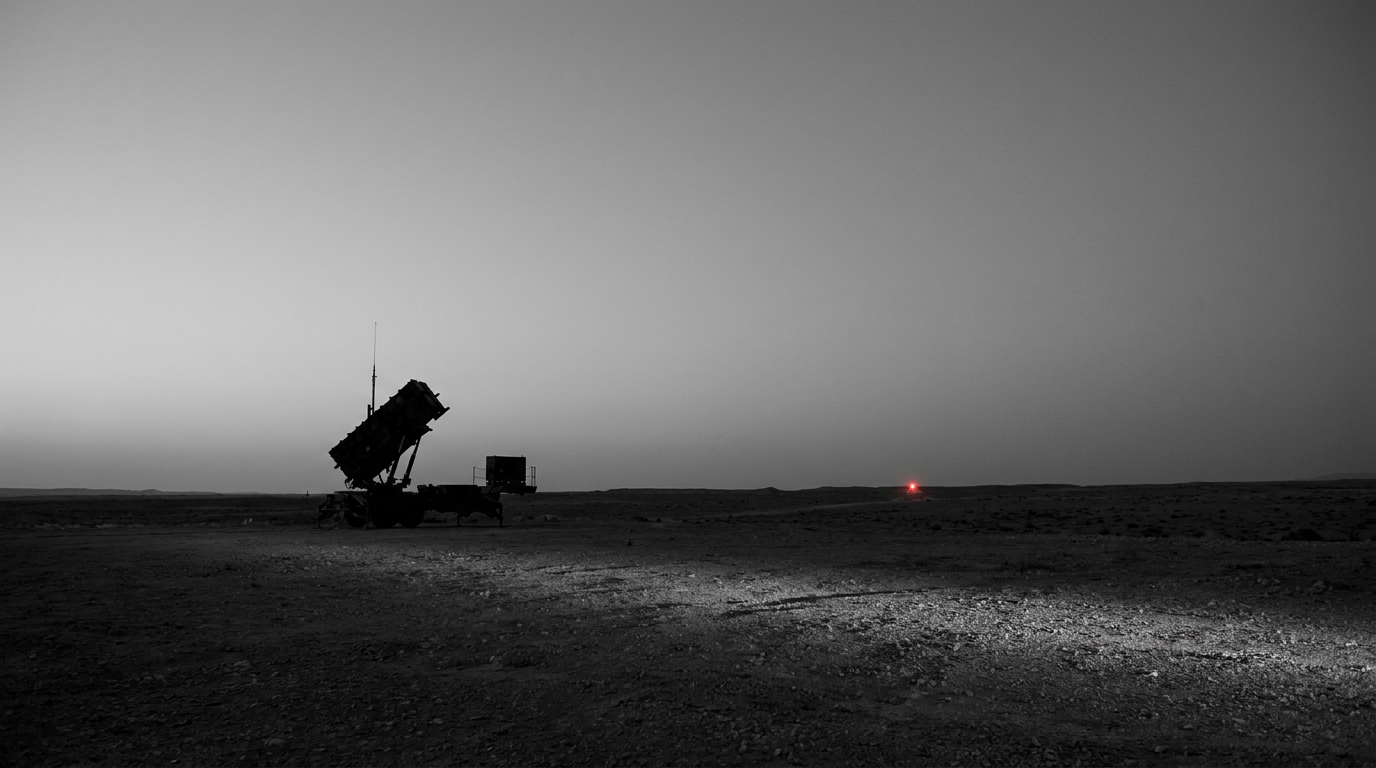
Iran fired missiles at U.S. warships at least three times in a week, raising the risk of a wider fight over the Strait of Hormuz.
Three launches in one week
U.S. Central Command said the American vessels avoided the attacks, which targeted Navy ships operating near a blockade that has shut down Iranian oil exports. One attempted strike included an aircraft carrier, according to people familiar with the attacks.
The launches were closer calls than earlier attempts, the people said, citing Iran’s use of maneuverable warheads. Iran also fired a large missile salvo at U.S. forces stationed in Jordan on Wednesday, extending pressure beyond the waterway.
The sequence marks a shift from weeks of more measured attacks against commercial ships in the strait and less sensitive U.S. targets in Kuwait, Bahrain and Jordan. Tehran is now testing the part of the U.S. force structure most likely to produce a direct American response if hit.
Blockade tightens on Tehran
Nineteen U.S. Navy ships are enforcing the blockade, according to U.S. officials. The campaign has cut off Iran’s oil exports while new U.S. sanctions have disrupted Tehran’s finances, sent its currency lower and forced reductions in fuel subsidies.
Marc Sievers, a former U.S. ambassador to Oman, linked the escalation to that pressure. “Iran is escalating because they don’t see other options,” Sievers said. “They’re under tremendous pressure from the blockade and the new sanctions.”
For Tehran, the military balance is not the immediate point, analysts said. The apparent aim is to make the current arrangement costly enough that Washington must keep spending interceptors, protecting ships and reassessing each response.
Warship risk changes calculations
A successful strike on an American warship would move the conflict into a more dangerous category than attacks on tankers or distant bases. The U.S. has already struck Iranian tankers in response to earlier attacks, but Iran continued firing at Navy ships afterward.
American officials are increasingly concerned that Iran has improved its ability to target vessels, perhaps with assistance from Russia or China, according to people familiar with the attacks. That assessment is consequential and remains attributed to those people; U.S. Central Command has confirmed the evasions, not the source of any technical improvement.
The shipping sector faces a narrower margin for error if military exchanges crowd the same corridor used by commercial vessels. The risk is not only a direct hit on a ship, but a cycle in which each interception and tanker strike adds another cost to moving through the strait.
Routes through a tighter strait
If Iran keeps missing U.S. warships while continuing launches, the global macro channel runs through uncertainty over energy flows rather than immediate physical damage. The U.S. Navy would remain in a defensive posture, while shipping and energy companies would price a longer period of disruption around the strait.
If the blockade and sanctions keep tightening without a diplomatic off-ramp, Iran’s incentive would be to impose higher operating costs on Washington, according to the logic described by analysts. That path would keep pressure on Tehran’s economy while leaving commercial carriers exposed to repeated episodes of military risk.
If a U.S. warship is hit, the mechanism changes. Washington would face a decision on retaliation, Iran would face the risk of heavier strikes on military assets, and the wider industry would have to plan around a conflict that no longer sits mainly at the edge of shipping lanes.
The main open question is whether Iran can sustain near misses without miscalculation. Another is whether U.S. tanker strikes and interceptor use deter further launches or make the blockade more expensive for both sides.