

US military updates strike contingencies for Iranian infrastructure
Washington is evaluating the potential deployment of heavy-payload ordnance against Iran’s energy and nuclear sectors as part of updated strategic planning.
Strategic planning shift
The US military has refreshed contingency plans for potential operations targeting Iranian strategic assets, according to reports from US officials familiar with internal deliberations. The updated planning includes the potential deployment of the GBU-43/B Massive Ordnance Air Blast, frequently described as the largest non-nuclear weapon in the US inventory. The inclusion of such heavy ordnance in strike scenarios signals a shift in focus toward hardened, deep-underground facilities. These sites, which house critical nuclear infrastructure and energy extraction capabilities, have long represented the core of Tehran's defensive posture in the Persian Gulf.
Infrastructure and regional impact Any sustained disruption to production or export capacity Iranian energy infrastructure serves as the primary engine for the country's national budget and a major factor in global oil price stability. Any sustained disruption to production or export capacity would likely force a rapid reassessment of crude supply premiums in the Middle East.
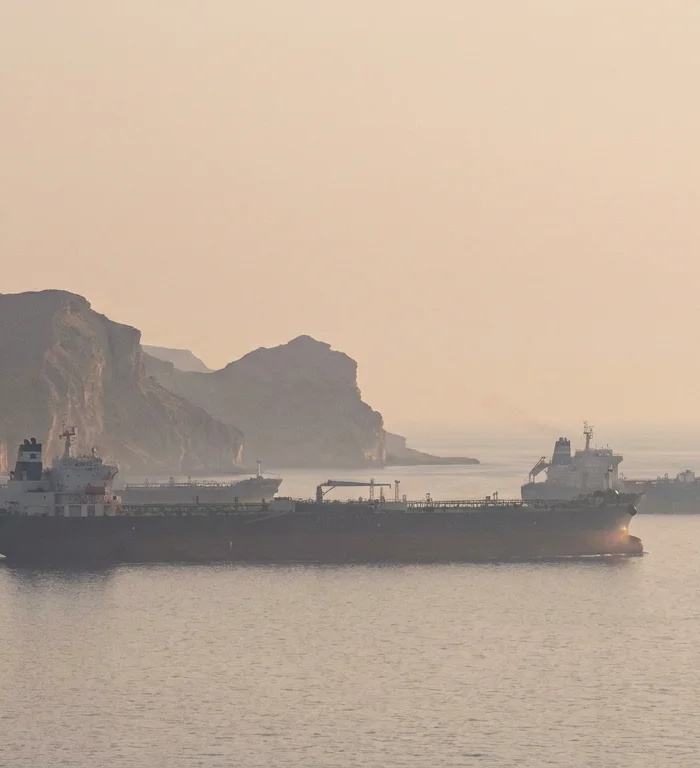
Regional transit hubs, including the Strait of Hormuz, remain sensitive to military posturing in the Gulf. Insurance costs for tankers typically widen as volatility increases, as shippers price in the risks of regional naval engagements and the potential for temporary blockades of maritime energy routes.
Strategic signaling and volatility
The US
The reporting of specific strike options acts as a tool of strategic communication between Washington and Tehran. By signaling the intent to reach previously secured targets, the US military intends to demonstrate the viability of force to deter further proxy activity across the broader regional theater.
Analysts now look to whether this posture indicates an abandonment of previous de-escalation channels. The primary open question is whether these updated strike contingencies are intended to force a change in Tehran's enrichment policy or if they represent a new ceiling for regional brinkmanship.
More stories
- Wolfspeed faces dilution risk in $1.5bn Pentagon loan
- Iran targets Starlink with jail terms of up to 5 years
- Iran changes Hormuz attack tactics, senior officials say
- Ethiopian troops reach Zalambessa border town, sources say
- Russian hybrid threat stretches MI5 after 1,000 expulsions
- Sharjah Islamic Bank profit rises 9% as financing expands
- Kyiv challenges energy ceasefire as Russia reports talks
- Saudi airport attack kills 13, strains missile defenses
Latest news
- NEXANS request sets two-week wait for Cyprus cable surveys
- Fairfax wins Cabinet approval for ₹52,878 crore IDBI stake
- Poundland bosses back buyout for about 600 stores
- Fairfax faces CSB choice in $5.6bn IDBI stake deal
- Stocks face rotation risk at 5.9% Treasury yield, according to BofA
- LLM crisis reports capture 5.4%-11.0% of official figures
- Natacha Polony joins France's 2027 presidential race
- Publicis beats Q3 forecasts with 5% organic revenue growth