US Military Strike Kills Two in Pacific Anti
A US military strike in the Eastern Pacific on Sunday targeted a suspected drug vessel, resulting in two fatalities.
Lauren Collins ·
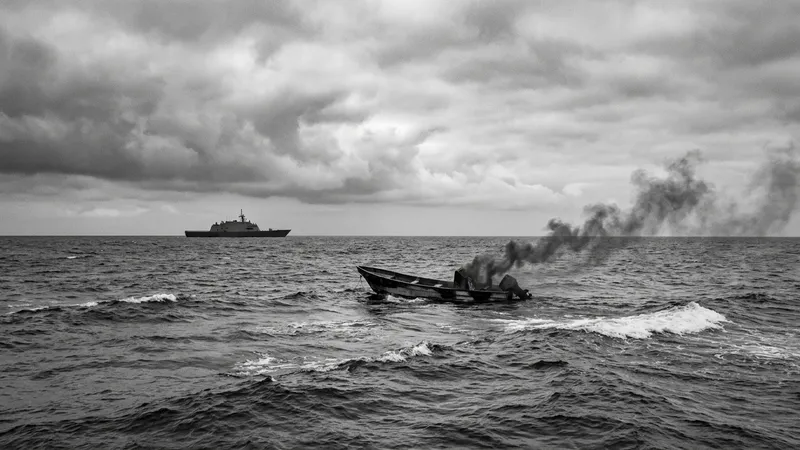
The United States military conducted a lethal strike against a vessel suspected of drug trafficking in the Eastern Pacific Ocean on Sunday, an operation that resulted in the deaths of two individuals. The U.S. Southern Command (SOUTHCOM) confirmed the details, stating the vessel was targeted along maritime routes frequently used by illicit organizations.
General Francis L. Donovan, who commands SOUTHCOM, oversaw the operation, which was executed by the Joint Task Force Western Hemisphere. Military officials released surveillance footage reportedly showing the vessel moments before the kinetic engagement, corroborating the action.
Ongoing Anti-Narcotics Campaign
This incident forms part of Operation Southern Spear, an anti-narcotics initiative launched in September 2026. Described by the U.S. government as a direct conflict against Latin American drug cartels, the campaign has been linked to more than 200 fatalities from similar maritime strikes across both the Eastern Pacific and the Caribbean regions since its inception.
While the administration asserts these operations are crucial for safeguarding the U.S. homeland from drug threats, the program has attracted considerable criticism. Concerns have been raised regarding the lack of publicly available evidence directly connecting specific targeted vessels to drug trafficking activities, leading to calls for increased transparency.
Scrutiny Over Legal Authority and Procedures
Legal experts and human rights organizations have expressed significant apprehension concerning the operations, particularly the potential for extrajudicial killings. They contend that the methods employed and the high death toll raise serious questions under international law and human rights standards.
In response to these issues, the Pentagon's inspector general initiated a review. This inquiry is specifically designed to determine whether standard targeting procedures were consistently followed during these military engagements. However, the investigation's scope deliberately excludes any examination of the underlying legal authority that permits these strikes to occur, focusing solely on procedural compliance.
The continued deployment of such kinetic actions in international waters highlights the U.S. government's commitment to disrupting drug supply chains. This resolve persists even as it faces increasing demands for greater accountability and transparency in its international anti-narcotics efforts.