OAS Calls Emergency Meeting on Nicaragua Democracy Concerns
The OAS Permanent Council voted to convene an emergency meeting of foreign ministers, citing deep concerns over Nicaragua's democratic state and proposed c…
Lauren Collins ·
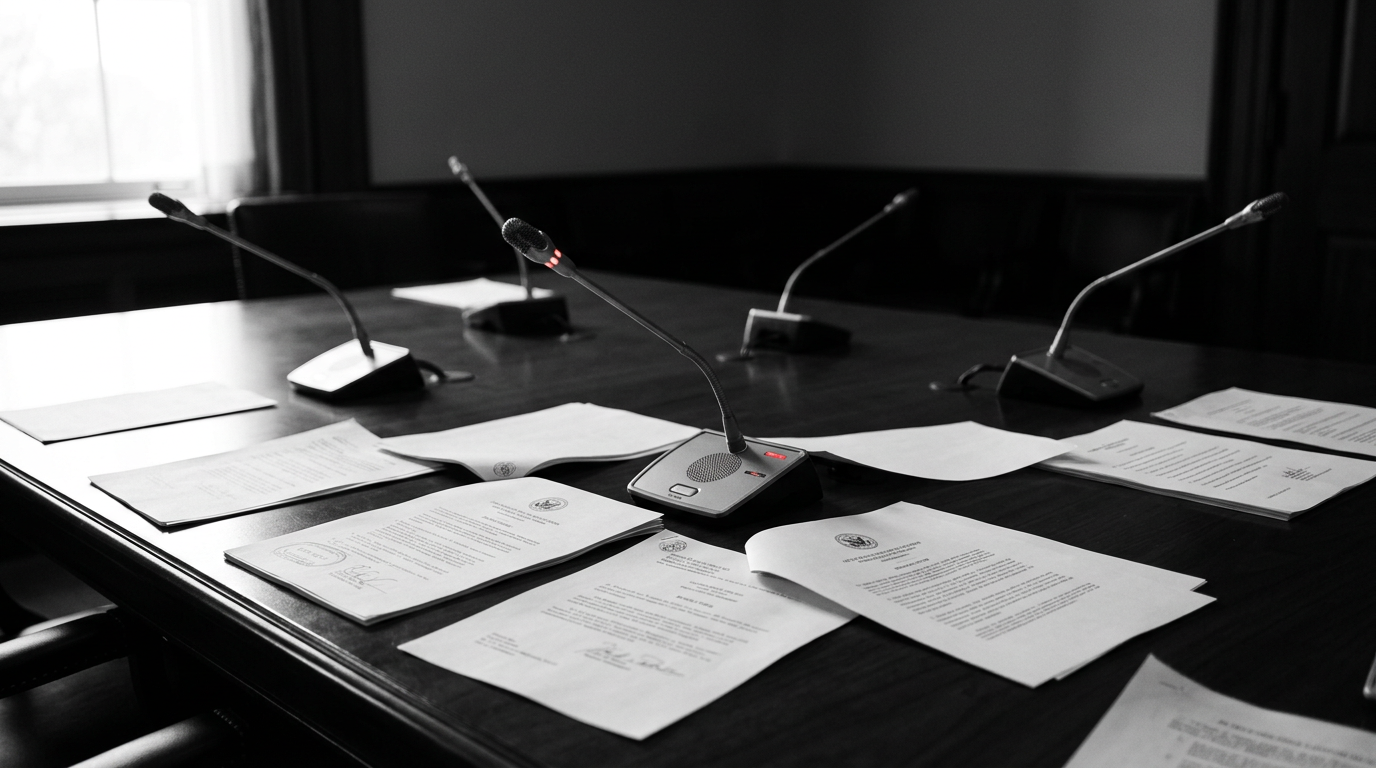
The Permanent Council of the Organization of American States (OAS) has initiated an emergency meeting for foreign ministers, expressing significant apprehension regarding the condition of representative democracy within Nicaragua. A resolution passed with 29 votes in favor and one against on Wednesday specifically cited articles of the OAS Charter to address actions taken by the administration of President Daniel Ortega and co-President Rosario Murillo.
This diplomatic action follows proposed constitutional changes by the Nicaraguan government, which include extending presidential terms from six to seven years. The reforms also seek to empower the state to dissolve political parties that receive foreign funding and permanently disqualify opposition figures branded as "traitors" from future electoral participation. These legislative modifications are scheduled for a vote in September.
Regional Alarm Over Nicaraguan Reforms
Despite Nicaragua's formal withdrawal from the OAS in 2023, the regional organization maintains that the country's internal political developments remain a critical concern for American states. The council president is currently developing an agenda for the forthcoming foreign ministers' gathering, which will concentrate on potential regional instability arising from the situation in Nicaragua.
The OAS decision comes amidst a period characterized by increasing institutional erosion within the Central American nation. The Ortega government has overseen the mass expulsion of political prisoners, the systematic closure of independent media entities, and the dissolution of numerous non-profit organizations. Critics argue that governmental crackdowns on dissent have intensified significantly since student-led protests in 2018, which were met with deadly force.
Consolidation of Power and International Scrutiny
The proposed constitutional amendments are widely seen as part of a broader strategy by the Ortega administration to further solidify its control. In 2023, more than 200 political prisoners had their citizenship revoked and were exiled from the country by the Nicaraguan government. President Ortega has publicly defended these actions, asserting they are necessary to counter perceived foreign influences, particularly from the United States.
The United Nations has also voiced alarm regarding Nicaragua's democratic regression. In July, UN human rights chief Volker Turk warned that obstructing elections would further erode the rule of law and highlighted severe restrictions on fundamental freedoms under President Ortega's leadership. The upcoming legislative vote in September is considered a pivotal moment, potentially cementing these proposed changes to Nicaragua's political framework and attracting further attention from the OAS and the broader international community.
Historical Context and Broader Implications
The current situation in Nicaragua marks a continuation of a pattern of increased authoritarianism. Following the 2018 protests, which involved widespread civil unrest, the government intensified its efforts to silence opposition and control information. This period saw a significant rise in human rights abuses documented by international observers, including arbitrary detentions, suppression of peaceful assembly, and restrictions on freedom of expression. The 2021 general election, which saw Ortega secure a fourth consecutive term, was widely condemned by international bodies for lacking credibility due to the imprisonment of opposition leaders and widespread irregularities.
The proposed constitutional changes, therefore, are not isolated incidents but rather integral steps in a long-term strategy to dismantle democratic institutions and eliminate political competition. The ability to dissolve parties receiving foreign funding and to disqualify 'traitors' offers broad mechanisms for suppressing any form of dissent or alternative political movements. The international community, including the OAS and the UN, faces the challenge of addressing these developments without being able to directly intervene in the internal affairs of a sovereign nation, especially one that has formally exited regional oversight bodies like the OAS.