Ulchi Freedom Shield cut to five days on Trump order
Ulchi Freedom Shield was shortened from 11 days to five after a Trump order, shifting to simulations and cancelling counterattacks, officials said.
Atlas Newsdesk ·
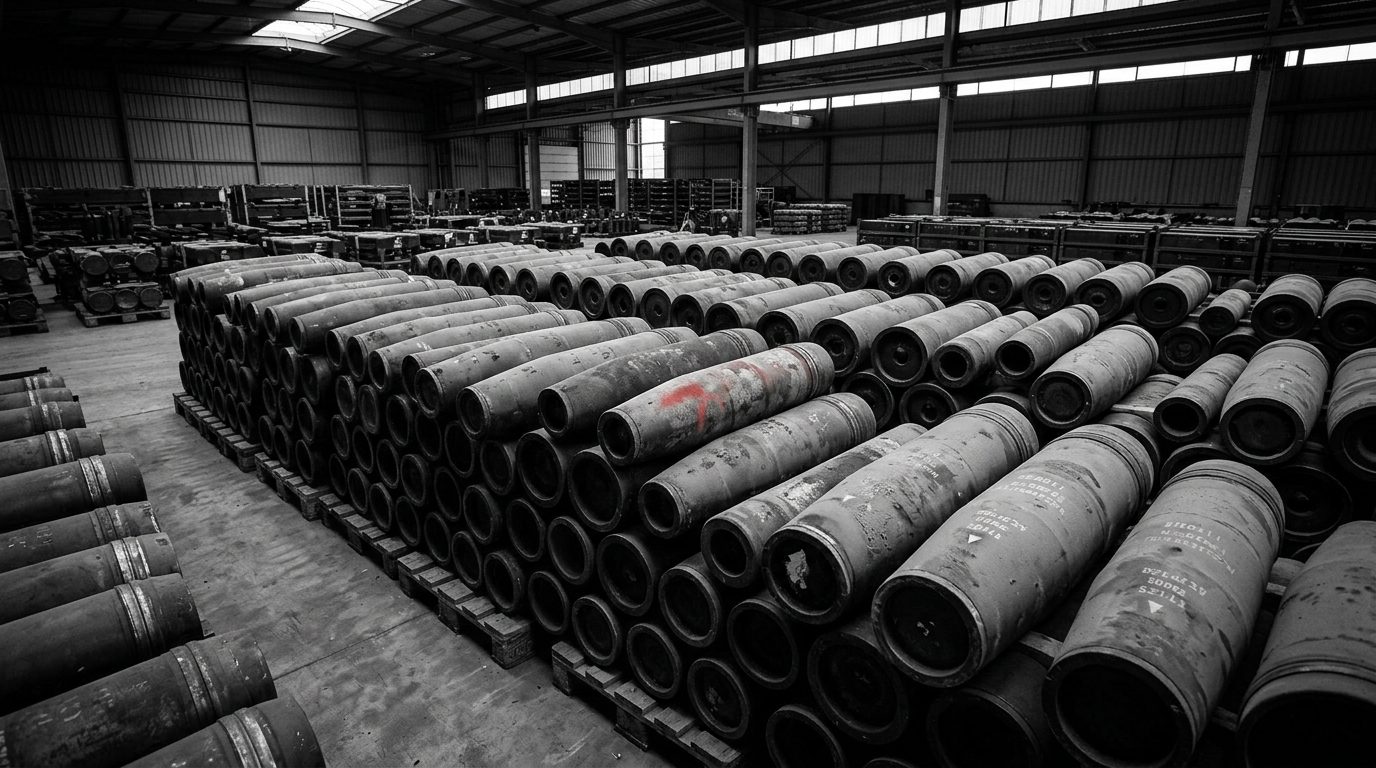
The United States and South Korea have sharply scaled back this year’s annual Ulchi Freedom Shield military exercises after a direct order from U.S. President Donald Trump, officials said. The drills began on August 17, 2026, but were reduced from an 11-day plan to five days and are now scheduled to conclude on August 21.
Officials said the updated plan removes previously scheduled counterattack operations and places more weight on simulation-based activity rather than field maneuvers. The U.S. Department of Defense said the change will not weaken essential readiness.
White House directive delivered a day before the drills According to reports According to reports, the White House directive was delivered on August 16. The reports linked the order to President Trump’s diplomatic engagement with North Korean leader Kim Jong Un. South Korean Foreign Minister Cho Hyun said neither Seoul nor U.S. defense officials were informed in advance of the decision. Officials described the cutback as a major alteration to a recurring exercise format that typically depends on multi-day coordination and pre-planned scenarios. Shift toward simulations, with questions from partners Officials said the redesign of the drills cancels counterattack operations and pivots the remaining activity toward simulations rather than field training. North Korea, however, has continued to describe the remaining drill activity as a provocation even after the reduction, according to the source material.
The United States
The sudden change has prompted questions among some regional partners about the predictability of established security practices in East Asia, officials said. The source material also noted uncertainty around how decisions for upcoming joint activities will be handled if substantial revisions can be made on short notice.
Broader pressure points cited in reports
Reports said the shift is connected to wider geopolitical pressures, including Washington’s desire for Seoul to increase involvement in the ongoing conflict in Iran. The source material did not specify what form such involvement would take or whether any particular request was made.
The exercises are taking place alongside the continued presence of about 28,500 U.S. troops stationed in South Korea. Japan and Australia have stressed the importance of trilateral security cooperation in response to regional nuclear threats, and allies’ statements described in the reports emphasized a preference for sustained coordination even as the current exercise was revised.
What remains unclear about the new format
Officials have not said how long the shorter format will remain in place, or whether the cancellation of counterattack operations will be repeated in future iterations. Beyond the Defense Department’s assurance on readiness, the source material did not provide details on how readiness will be assessed under the modified plan.
For now, the drills are continuing in reduced form through the scheduled end date of August 21, officials said.