

US-Mexico tariff talks stall over downstream metal duties
US-Mexico tariff talks have stalled over metals duties, with people briefed on negotiations describing a possible delay beyond the November 3 elections.
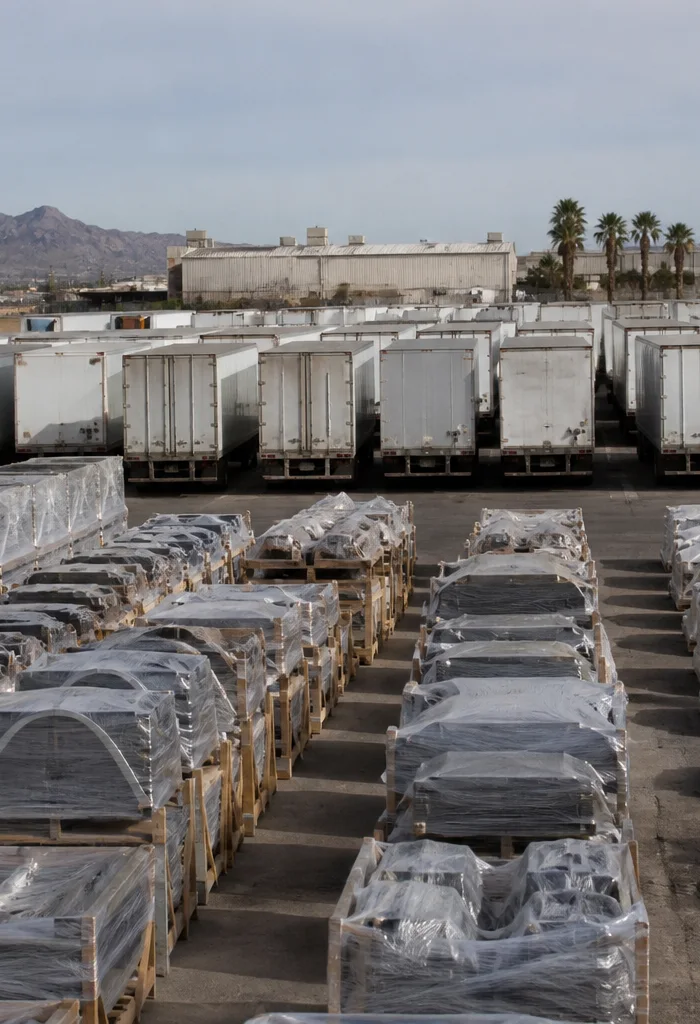
US-Mexico metals tariff talks stall, with officials weighing a delay beyond the November 3 elections, people briefed on negotiations said.
The disagreement centers partly on how far Washington would reduce duties covering manufactured goods containing steel or aluminum. Mexican leaders have said an agreement must include relief for those products, rather than leave that part of the dispute unresolved.
The reported setback contrasts with earlier optimism from Mexican officials that an agreement was close. People with knowledge of the discussions now describe US officials as willing to defer an accord until well beyond the congressional midterms, although that remains their account of private deliberations rather than an announced timetable.
Manufactured goods divide the negotiators
Derivative metal products have become a central obstacle because the negotiations extend beyond steel and aluminum themselves. Mexico is also seeking lower duties for downstream goods made using those metals, making the scope of relief as important as the rates under discussion.
Mexican leaders have linked their willingness to accept an agreement to relief for this category. That position sets a test for any revised offer: whether it addresses the products Mexico wants covered, not simply whether Washington offers some reduction elsewhere.
Two people briefed on the exchanges said US officials, including Commerce Secretary Howard Lutnick, objected to Mexico’s requests for lower metals duties. They spoke anonymously because the discussions were private; their account does not establish the precise rates either government would accept.
Lutnick takes a larger negotiating role
Lutnick subsequently put forward an alternative offer that did not resolve Mexico’s objections, according to the people. They described negotiations as losing momentum following that exchange, rather than advancing toward the agreement Mexican officials had previously anticipated.
The commerce secretary has also sought greater involvement in both these discussions and trade policy more broadly, the people said. US Trade Representative Jamieson Greer’s office had previously led the negotiating effort, placing the reported change in roles alongside the disagreement over tariff terms.
Lutnick held a virtual meeting with Mexico’s President Claudia Sheinbaum on September 9. Neither the White House nor the Commerce Department supplied a response to requests for comment, leaving the account of Washington’s negotiating position without a public administration response.
Election timing leaves relief uncertain
If negotiators bridge the disagreement over downstream goods, an accord could address both metals duties and Mexico’s demand for wider product coverage. The commercial effect would depend on which goods receive relief and the size of the reductions, neither of which is established in the available account.
If the dispute persists beyond November 3, businesses seeking lower duties would face a longer wait for negotiated relief. For downstream manufacturers, the unresolved issue would remain whether their products qualify under any eventual compromise, rather than merely when an agreement is announced.
The immediate diplomatic test is whether a revised US offer can meet Mexico’s conditions on product coverage. The people’s description of American officials accepting a delay signals less urgency in the talks, but it does not establish a deadline or rule out another negotiating exchange.
More stories
- Western Alliance rises 2.27% after Q3 profit tops estimates
- France weighs costs as French riots test insurance sector
- Andalucía has 12 of Spain's 15 poorest municipalities
- STOXX 600 falls 0.6% as Brent tops $110
- CoreWeave gains 3.4% after Goldman upgrade
- MSCI warning weighs on Indonesia's currency and its bonds
- IMF Venezuela office plan sets Caracas return for lender
- Paramount Skydance settles $110 billion Warner merger case
Latest news
- Galderma targets Ozempic face with new treatment testing
- France plans troop deployment ahead of Saturday protests
- SpaceX explores Tesla merger as Musk backs company talks
- US visa revocations exceed 300,000 in Trump's second term
- EU lawmakers back Muslim Brotherhood resolution by 381 votes
- Emirates NBD expands loans 27% in nine months
- Nigeria traces 44 contacts after Abuja Ebola case
- UAE ministry seeks bids for 68km Dubai-RAK highway