US-Iran Talks Stalemate Amid Regional Clashes
US-Iran interim deal negotiations stall while regional conflicts escalate, raising concerns about broader stability and the Strait of Hormuz.
Omar Farouk ·
Negotiations for an interim peace deal between the United States and Iran have made little headway this week, coinciding with a notable escalation of hostilities since an April ceasefire. Ongoing clashes in Lebanon and a recent attack targeting US allies signal increasing regional volatility amid the diplomatic gridlock.
Key issues remain unresolved, with Iran conditioning any agreement on a ceasefire in Lebanon. This demand directly impacts discussions aimed at extending the existing US-Iran truce by two months and reopening the critical Strait of Hormuz.
Escalating Regional Tensions
Skirmishes between Hezbollah and Israel persisted overnight in southern Lebanon, following the Iran-backed group's rejection of a US-brokered truce proposal. While Hezbollah’s attacks on northern Israel have reportedly eased, the threat of broader conflict remains palpable, particularly after Israel’s earlier warnings concerning Beirut.
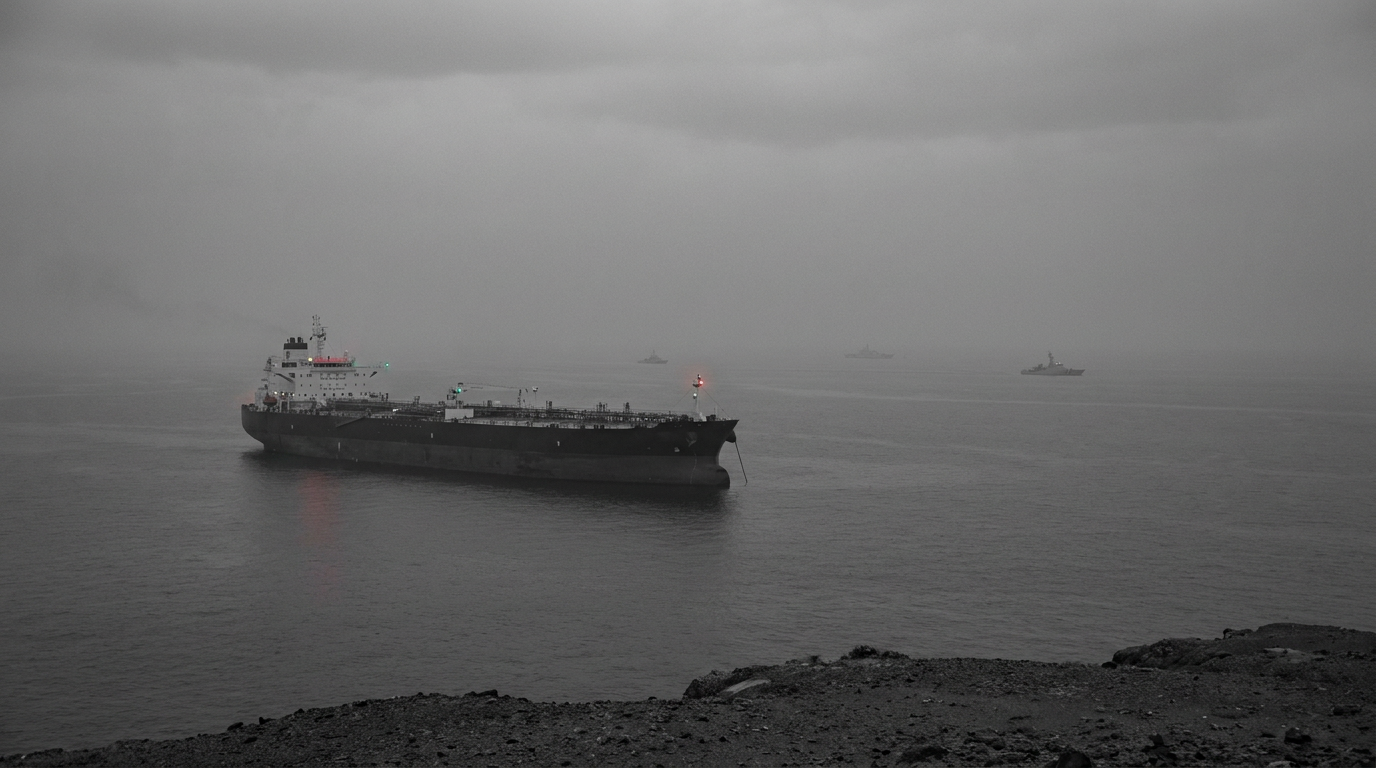
A significant escalation occurred when Iran launched missiles and drones at Kuwait and Bahrain on Wednesday. This strike, which killed one person and injured dozens at Kuwait's main airport, came after a US action against an oil tanker en route to Iran. These events represent the most severe flare-ups since the current US-Iran ceasefire commenced on April 8.
Diplomatic Impasse Continues
US President Donald Trump stated on Thursday that negotiations are in their “final” stages, though he provided no further details. This contrasts sharply with Iranian Foreign Minister Abbas Araghchi’s earlier assessment, who noted “no tangible progress” despite continued exchanges facilitated by mediators.
In Lebanon, Hezbollah militants explicitly rejected the conditions of a ceasefire announced by the US State Department. Israeli strikes reportedly killed at least eight people, according to the Lebanese Health Ministry, while Israel’s military reported uninjured personnel after Hezbollah rocket launches. Trump, when questioned about Hezbollah’s stance, asserted they had initiated contact regarding a cessation of hostilities.
Economic Repercussions and Future Outlook
The ongoing uncertainty surrounding US-Iran talks is already impacting global markets. Brent crude prices edged up near $96 a barrel, reflecting concerns about oil supply and regional instability. Conversely, gold prices experienced a slight downturn, indicating investor reaction to the stalled diplomatic efforts.
The current impasse underscores deep-seated disagreements and the fragility of regional peace. Future progress hinges on addressing Iran’s demands regarding Lebanon and de-escalating military actions to pave the way for a more comprehensive agreement. The international community watches closely for any signs of breakthrough or further escalation.