U.S. and Iranian Officials Convene in Islamabad to Bolster Fragile Regional Ceasefire Building
Pakistan hosts U.S.-Iran ceasefire talks in Islamabad on April 13-14, seeking to reinforce a strained two-week truce amid regional conflict.
Lauren Collins ·
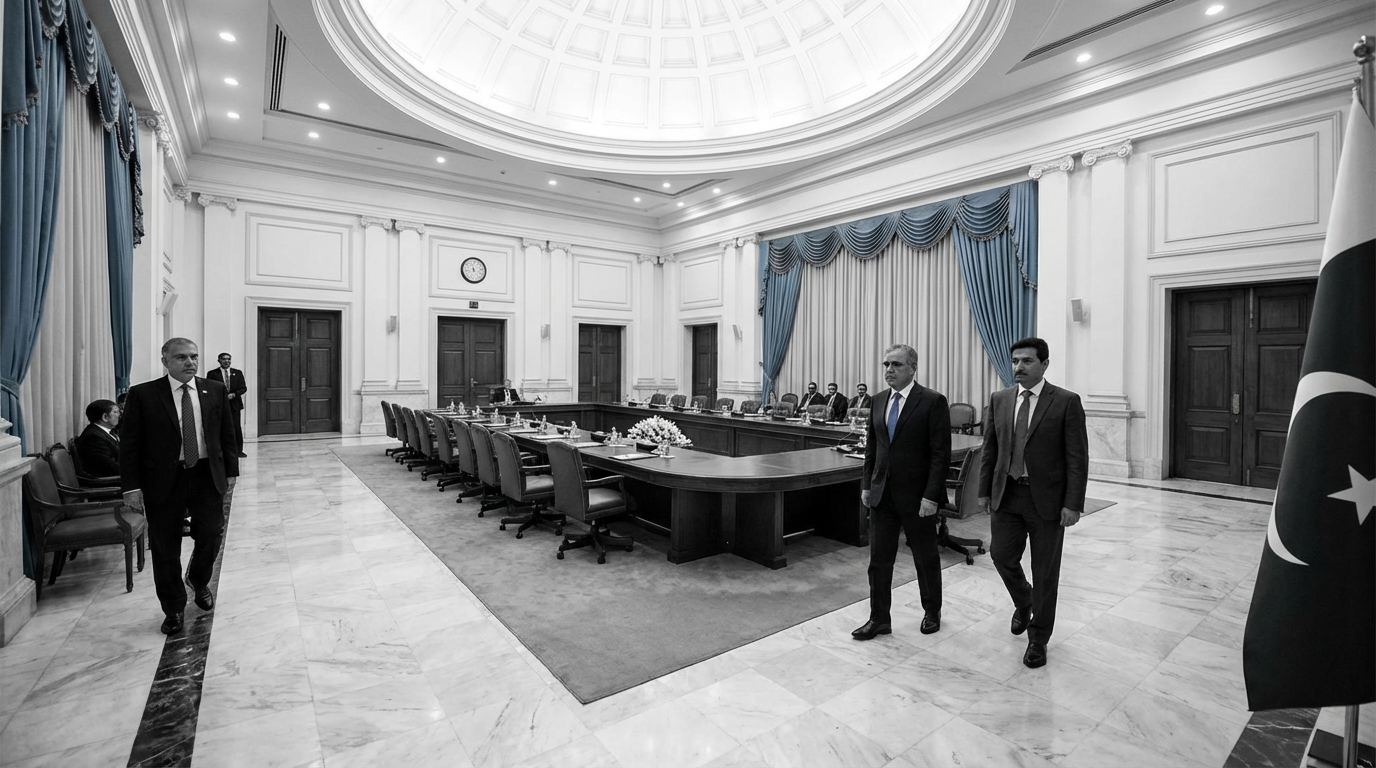
S. and Iranian officials in Islamabad on April 13-14 , following a two-week ceasefire that officials said was mediated by Pakistan. The meetings are being held at the Serena Hotel, where security has been tightened across the capital’s diplomatic Red Zone. The immediate focus of the discussions is to reduce tensions and reinforce the existing truce, which officials said has come under pressure from competing interpretations and continued military activity in the region.
Officials said the conflict the talks seek to contain began six weeks earlier with U.S.-Israeli strikes on Iran. The same account said the strikes led to the death of Supreme Leader Ayatollah Ali Khamenei and were followed by wider regional warfare. Officials said the fighting has produced thousands of casualties, contributed to the closure of the Strait of Hormuz, and pushed energy prices to record levels.
The U.S. delegation is led by Vice President JD Vance and includes envoy Steve Witkoff and Jared Kushner, according to the details provided. Iran’s delegation is expected to include Parliament Speaker Mohammad Bagher Ghalibaf and Foreign Minister Abbas Araghchi. Pakistani Prime Minister Shehbaz Sharif is anticipated to host the talks, while Deputy Prime Minister and Foreign Minister Ishaq Dar is facilitating the negotiations, officials said.
Officials said the format is expected to rely on Pakistani intermediaries moving between the two sides, with the U.S. and Iranian teams placed in separate rooms. That structure is intended to allow messages to be passed without direct joint sessions. The talks could extend for as long as 15 days, suggesting the possibility of multiple rounds beyond the initial weekend meetings.
What happened is a new diplomatic push in Islamabad aimed at stabilising a ceasefire that has already been tested. What it means is that Pakistan is positioning itself as a key channel for crisis management between Washington and Tehran at a moment when officials say the regional conflict has disrupted a major global energy chokepoint and coincided with record energy prices.
The closure of the Strait of Hormuz, as described by officials, underscores why the talks are being watched beyond the region, given the strait’s role in global energy flows.
Key uncertainties remain, including whether the sides can align on the ceasefire’s terms and how ongoing regional military actions will affect the negotiations. Officials have not set out a final timetable for an agreement, beyond noting that discussions could run up to 15 days. The weekend sessions in Islamabad are expected to test whether the current truce can be formalised into a more durable arrangement.