Denmark Lifts 2026 GDP Forecast to 2.7% on Pharma Surge
Denmark's GDP forecast is raised to 2.7% for the year, driven significantly by pharmaceutical sector contributions.
Atlas Newsdesk ·
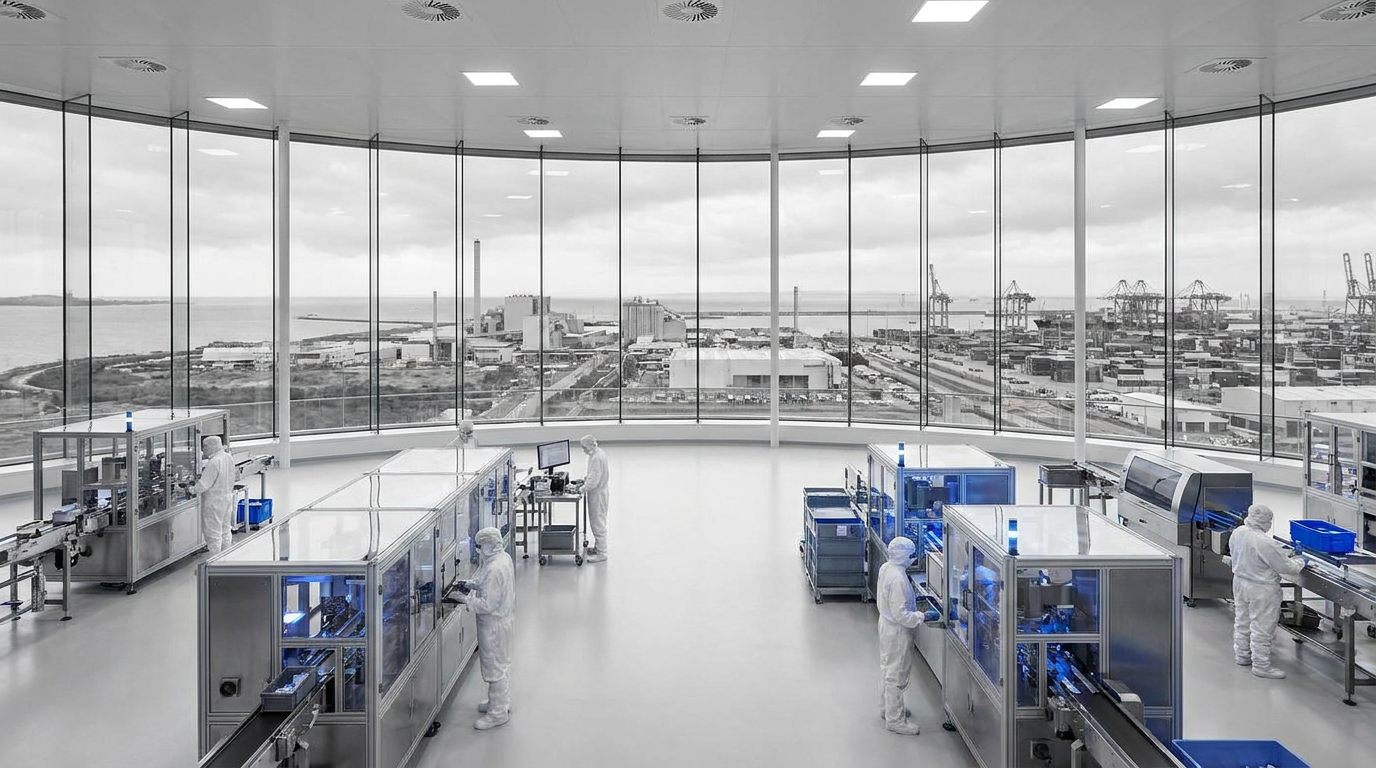
Denmark's economy is now projected to grow by 2.7% this year, an upward revision from the previous 2.2% forecast. This enhanced outlook is largely attributed to robust performance within the nation's pharmaceutical industry. The sector alone is expected to contribute a full percentage point to this year's gross domestic product expansion.
Pharma Sector Driving Growth
The Danish economy ministry released the revised forecast on Saturday, underscoring the significant impact of drug manufacturers. This sector has consistently shown resilience, even amidst challenges faced by major players like Novo Nordisk. Despite recent increased competition for its popular weight-loss medications, the pharmaceutical output remains a key economic engine.
This positive economic signal follows closely behind newly released first-quarter data. National statistics indicated an unexpected 1.9% growth in GDP between January and March. This substantial quarter-over-quarter increase was primarily fueled by the continued strength and output of the pharmaceutical sector.
Resilience Amidst Political Transition
The revised economic forecast arrives during a period of political transition in Denmark. The country is currently navigating government formation talks following national elections held in March. Caretaker Prime Minister Mette Frederiksen is expected to be formally appointed to lead a third round of discussions.
Despite the absence of a permanent government, the underlying economic data points to an economy demonstrating considerable strength. The consistent growth driven by key industrial sectors like pharmaceuticals provides a stable foundation. This resilience is crucial as political leaders work towards establishing a new governing coalition.
The continued success of the pharmaceutical industry highlights its vital role in Denmark's economic landscape. Future growth trajectories will likely remain closely tied to the innovation and global demand for the country's pharmaceutical products. The ministry's updated projections suggest a robust near-term outlook, supported by strong industrial performance.
Looking ahead, the export performance of Danish pharmaceutical companies will be a critical factor to monitor. The global market dynamics and competitive pressures will continue to shape this sector's contribution. Policymakers will likely aim to foster an environment that supports continued industrial investment and innovation.