

U.S. Intelligence Officials Warn of Continued Infrastructure-Related Tech Outages
U.S. intelligence officials warn that frequent tech outages will continue as organizations prioritize infrastructure upgrades and security over stability.
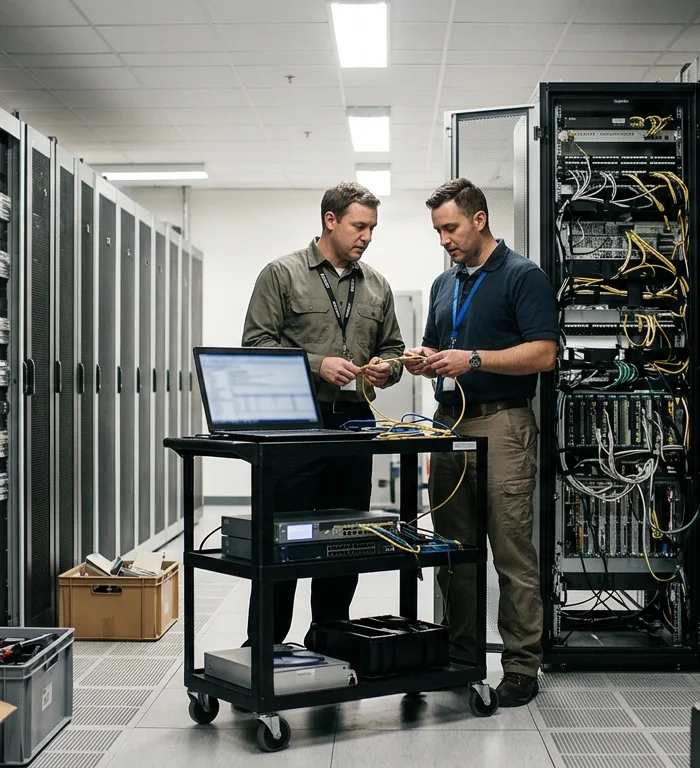
National intelligence leadership has signaled that the recent wave of domestic technology outages is expected to persist as government agencies and private sector firms undertake mandatory modernization of aging digital infrastructure. Officials clarified that these disruptions are not the result of coordinated cyberattacks or state-sponsored interference, but rather a byproduct of necessary, large-scale system upgrades.
Much of the nation’s critical digital architecture relies on technology developed over the past three decades. The ongoing transition to modern systems, including the phased retirement of legacy hardware such as 1990s-era storage media, creates inherent risks of service gaps and operational instability. These maintenance cycles are increasingly frequent, leading to a higher volume of temporary system downtime as engineers attempt to integrate new patches into outdated frameworks.
While AI-driven discovery allows for faster detection of
While AI-driven discovery allows for faster detection of
While AI-driven discovery allows for faster detection of Compounding this instability is the rapid identification of software vulnerabilities through artificial intelligence. While AI-driven discovery allows for faster detection of "zero-day" bugs, it places significant pressure on IT and network teams to deploy patches immediately. This accelerated timeline reduces the window for rigorous testing, increasing the likelihood of human error and secondary system failures during the deployment of security updates.
Industry and intelligence experts note that IT departments are currently operating under extreme strain, managing a 490 percent year-over-year increase in reported software flaws. The resulting environment is one of constant, urgent remediation, where the act of securing a network can itself trigger service interruptions. Policymakers and institutional stakeholders should anticipate continued volatility in digital services as the transition to modernized, AI-resilient infrastructure continues through the coming years.
More stories
- Europe faces attribution gap after 16 cyber, physical incidents
- PIF backs Grand Theft Auto as Saudi players embrace game
- Signal limits screenshots to curb AI access to messages
- Cognition runs Devin Mac workspaces on EC2 in 6 AWS regions
- Salesforce engineers cut 600-failure triage to 90 minutes
- Türkiye Desk: GTA 6 puts console access and network demand in focus
- Navy receives Nvidia supercomputer for Monterey AI work
- PsiQuantum funding from DARPA tests photonic bet for scale
Latest news
- Trump prepares tariffs on China and other major exporters
- New-car buyers pay record average $50,087 in October
- Banks face ECB reserve debate over liquidity and profits
- Investors see Anthropic debut gains fade below $83 a share
- Iraq orders federal control over Kurdish-area oilfields
- Germans oppose Ukraine aid as poll shows support slipping
- Kim Jong-un receives 10 envoys after constitutional shift
- Ukraine claims Libya strike sinks Russian naval corvette