Trump Administration Actions Lower Fuel Prices, Raise Long-Term Economic Risks
US fuel interventions, including tax waivers and strategic oil releases, have tempered prices but carry substantial long-term fiscal and operational risks.
Lauren Collins ·
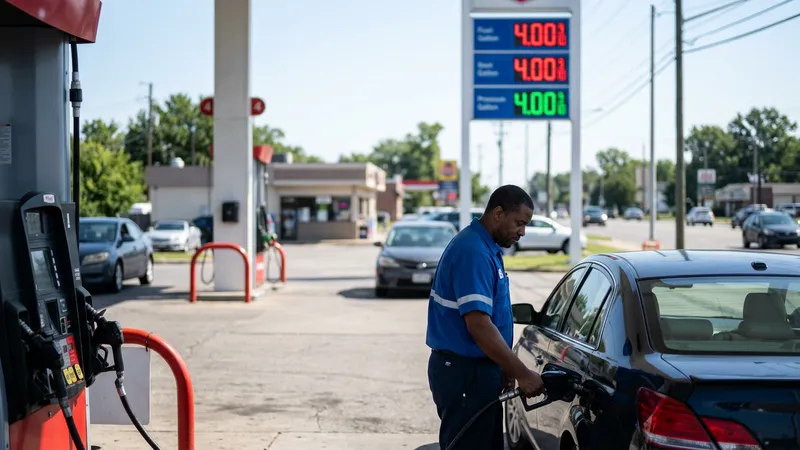
The Trump administration has implemented targeted fuel price interventions, including a federal tax waiver for off-road "red dye" diesel and a coordinated G7 release of 100 million barrels from strategic oil reserves. These measures have recently contributed to modest reductions in consumer fuel prices, providing immediate relief from inflationary pressures.
Despite these short-term gains, financial analysts caution that such interventions introduce significant long-term fiscal and operational risks. The underlying structural limitations in energy supply continue to drive elevated costs across the sector.
Persistent Energy Constraints Crude oil prices continue to trade above $100 Data from commodity intelligence firm Argus indicates that 60 percent of recent price volatility stems from disruptions in the Strait of Hormuz, with the remaining 40 percent attributed to the ongoing conflict between Russia and Ukraine. Crude oil prices continue to trade above $100 per barrel, sustaining high inflation rates. This situation necessitates aggressive interest rate adjustments by central banks to manage economic pressures. These elevated energy prices are squeezing household budgets and increasing operational expenses for vital sectors such as logistics and agriculture, both of which are heavily reliant on stable fuel costs. Market Distortions and Reserve Depletion Proposed federal tax suspensions, while offering temporary relief, face considerable legislative challenges and risk substantial government revenue losses. Past state-level tax reductions have resulted in reported revenue shortfalls of up to $1 billion in some jurisdictions.
The Trump
Furthermore, the potential for export bans on diesel could distort market dynamics, decreasing refinery production and potentially triggering secondary price increases for other energy commodities. Reliance on strategic reserves provides only temporary alleviation, as the eventual need to replenish these stocks is anticipated to create renewed upward pressure on energy prices.
Economist Michael Pearce noted that while the release of strategic reserves offers a temporary solution, the continued disruption of energy exports from the Gulf will require further stock drainage. He cautioned that refilling these reserves will mean energy prices remain elevated for a period, even after Middle East disruptions subside.
Election-Year Strategy and Fuel Supply
President Trump's focus on lowering fuel costs comes ahead of critical midterm elections. David Ruisard of Argus highlighted that the "red dye" diesel waiver allows tax-free off-road diesel to be used on US highways. While this offers temporary relief, it poses a challenge for trucking companies that would face high fines if they continue using the dyed diesel once the waiver ends, as it would be considered tax evasion.
Ruisard also pointed out that expanding the use of red dye diesel risks depleting existing supplies typically reserved for specific users, such as rail operators. This could create new supply shortages in other sectors.