Treasury's Iran sanctions test limits of maritime pressure
The US targeted 17 vessels with new Iran sanctions, the Treasury Department said, as an analyst questioned their effect on oil deliveries.
Lauren Collins ·
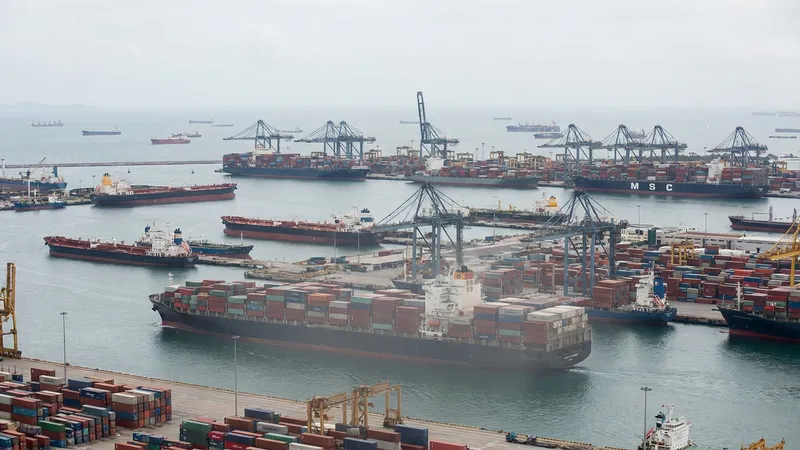
The US targeted 17 vessels with new Iran sanctions, the Treasury Department said, as an analyst questioned their effect on oil deliveries.
The October 8 measures cover people and networks as well as ships that Treasury accused of carrying petroleum and petrochemical cargoes from Iran. They extend Washington's economic pressure while President Donald Trump describes diplomatic contacts with Tehran as continuing.
Oil deliveries complicate sanctions impact
The immediate dispute concerns how much Iranian oil remains within reach of the measures. Brett Erickson, managing principal at Obsidian Risk Advisors, assessed the likely effect as limited, arguing that Iran had already delivered almost all its seaborne oil.
Erickson questioned the timing and purpose of the designations. "This is economic warfare conducted in the rearview mirror, designed to generate headlines rather than results," he said.
A Treasury official, unnamed in the supplied account of a briefing for reporters, offered a different assessment, describing the action as "neutralizing the vast majority of the shadow fleet". The contrast separates Washington's claim about the reach of its measures from Erickson's assessment of how much trade remains to be disrupted.
Blockade precedes the vessel designations
The measures follow the restoration of a US blockade of Iran's ports on July 14, after a memorandum intended to end the conflict between Washington and Tehran broke down. That sequence matters to the timing dispute: the new ship designations arrive after restrictions on access to the ports were already in place.
One Treasury official put Iran's remaining crude inventory aboard ships beyond the blockade at approximately 20 million barrels, located near China, Singapore and Malaysia. Another department official told reporters that Iran was no longer putting crude aboard tankers or discharging it, attributing the halt to both the blockade and sanctions.
Those statements are official assessments, not independently established cargo movements. The available account provides neither vessel-tracking records nor a breakdown of the inventory, leaving the scale and location of any remaining trade unresolved.
Treasury placed the designations under its Operation Economic Outcast campaign. The department says it seeks to restrict money available for Iran's conflict with the US, missile production, cyberattacks and the Islamic Revolutionary Guard Corps, known as the IRGC.
Trump pairs pressure with diplomatic contacts
Among the designated ships are Paritosh, registered under the Comoros flag; Bitu, under Panama's; and Gas Lucky, under the Bahamas'. Their inclusion identifies specific maritime targets, but the account does not establish their current cargoes or quantify the commercial effect on their operators.
Trump said in an October 8 social-media post that talks with Iran were "productive discussions". He also said Washington would refrain from attacking Iran ahead of the November 3 midterm vote, setting out a near-term military position alongside the financial restrictions.
If Erickson's assessment holds, the sanctions would have limited immediate scope to interrupt deliveries already completed. If Treasury's account of halted cargo handling holds, resumed loading or unloading would be a concrete test of whether maritime restrictions remain effective; neither assessment alone establishes the effect on global oil supply.