Indonesia Adjusts U.S. Ties Amid Domestic Pressure and Middle East Tensions
President Prabowo is distancing Indonesia from U.S. foreign policy initiatives following domestic backlash and economic disputes, signaling a shift toward a…
Lauren Collins ·
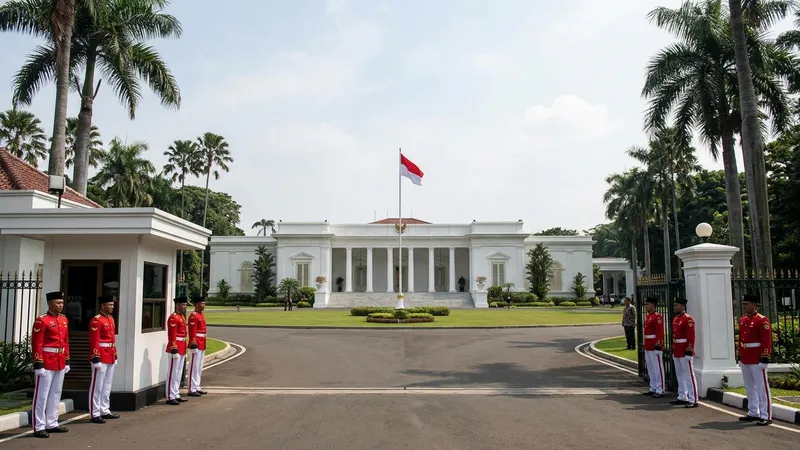
Indonesian President Prabowo Subianto's administration has signaled a strategic recalibration of its relationship with the United States, withdrawing from U.S.-led Middle East initiatives and pausing military commitments for Gaza. This pivot follows significant domestic backlash concerning Indonesia's initial support for the U.S. Board of Peace and proposed troop deployments.
Public opposition and internal pressure from within Prabowo's governing coalition prompted Jakarta to freeze its engagement with the Board of Peace. The government also suspended planned military contributions to Gaza, reflecting widespread skepticism about the initiatives' alignment with Indonesian foreign policy objectives.
Economic Friction Strains Bilateral Trade Indonesian President Prabowo Subianto Economic friction further strained bilateral ties following the imposition of high U.S. tariffs on Indonesian imports. While subsequent negotiations reduced these trade barriers, the concessions Jakarta made created political vulnerabilities for the Subianto administration. The ongoing Middle East conflict has exacerbated these tensions, with the government facing criticism for its perceived alignment with U.S. military objectives.
Prabowo's Diplomatic Recalibration
General Assembly is interpreted by analysts as a Prabowo's recent absence from the U.N. General Assembly is interpreted by analysts as a deliberate effort to recalibrate Indonesia's foreign policy posture.
The administration has now placed strict conditions on future cooperation, requiring regional consensus and explicit consent from Palestinian stakeholders. This shift indicates a move toward a more cautious, domestically-focused foreign policy aimed at mitigating political risk.
Outlook: Conditional Engagement Ahead Indonesia's foreign policy under President Subianto is now likely to prioritize domestic political stability and public sentiment, especially concerning sensitive geopolitical issues like the Middle East. Future engagement with U.S.-led initiatives will probably hinge on explicit conditions, including multilateral regional support and direct Palestinian endorsement, limiting Jakarta's willingness to align without broad consensus.
This cautious approach could see Indonesia selectively participating in global efforts while maintaining a greater distance from unilateral proposals from Washington.