Ukraine defence reshuffle ignites Kyiv Fedorov protests
Ukraine defence reshuffle protests exposed a public split between Zelensky, Mykhailo Fedorov and the military command during wartime.
Lauren Collins ·
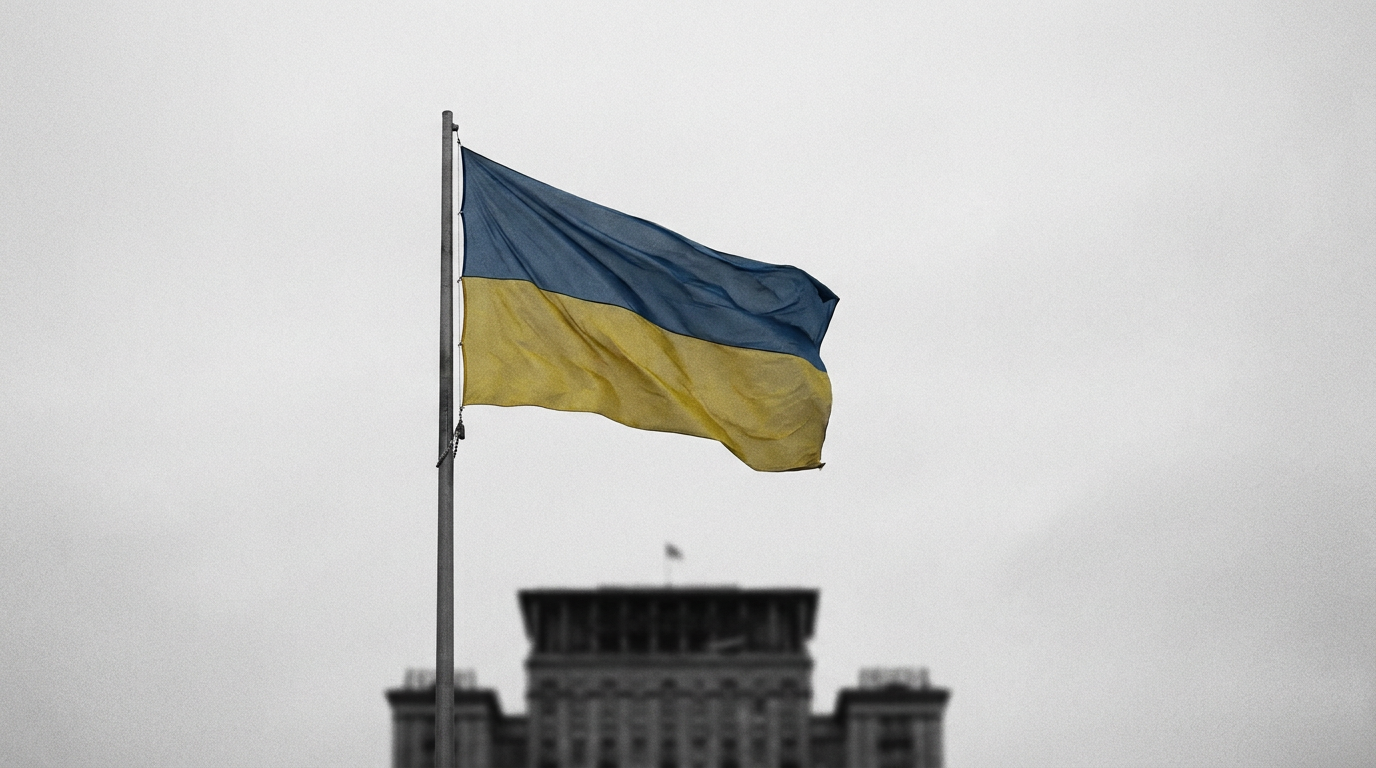
Ukraine defence reshuffle has drawn protests after President Volodymyr Zelensky dismissed Mykhailo Fedorov, exposing wartime command strains.
Demonstrations have taken place in multiple Ukrainian cities after Zelensky removed Fedorov from the Defence Ministry, according to the provided account. The backlash has reached beyond street protests, stirring criticism among commentators, military circles and parts of civil society.
In Kyiv on Thursday morning, a mostly young crowd gathered with signs backing Fedorov and accusing the leadership of damaging the war effort. Protesters chanted "Shame!" as the dismissal turned a personnel decision into a public test of confidence in Zelensky's wartime management.
Fedorov challenges Syrskyi command
The dispute appears rooted in a breakdown between Fedorov and Commander-in-Chief Oleksandr Syrskyi. Fedorov said Thursday that he had urged Zelensky to replace Syrskyi and Chief of the General Staff Andrii Hnatov, placing the disagreement at the top of Ukraine's defence chain.
Zelensky, appearing at a press conference with UK Prime Minister Keir Starmer, acknowledged that the friction between the General Staff and the Defence Ministry had become "systemic" and existed "at various levels." He said Syrskyi and Fedorov could work together only through his mediation, according to the account.
Fedorov gave his own version of the split, saying he had accepted Zelensky's decision not to remove Syrskyi before concluding that cooperation was blocked. "When the president said he did not plan to replace Syrskyi, I... said I would learn to work with him," Fedorov said. But "all the initiatives we proposed were blocked," he added.
A short tenure with high expectations
Fedorov, 35, had been appointed only in January, giving his dismissal unusual political weight. During his brief tenure, he was credited in the account with energising the ministry, pushing an anti-corruption drive and using data to assess performance on the front line.
That record helps explain the intensity of the reaction. For supporters, Fedorov represented a technocratic approach to military management at a time when Ukraine needs discipline, faster procurement and credible battlefield feedback loops.
Syrskyi responded on Telegram with a short message defending his own record. He said he was "proud" of the defence mounted around Kyiv in 2022, when Russian troops were approaching the capital, and said he would keep his attention on "the war and on an effective strategy" while wishing Fedorov "continued success."
Klymenko option remains unsettled
The succession process remained unresolved on Thursday. MPs had been expected to vote on Ihor Klymenko, currently head of the Interior Ministry, as the proposed replacement, but Zelensky said Klymenko was only one name under consideration and that no formal proposal had yet been filed.
The ministerial uncertainty sits inside a wider reshuffle. Parliament approved state oil and gas boss Serhiy Koretsky as prime minister after Yuliia Svyrydenko resigned earlier in the week, according to the provided account.
For Ukraine's defence sector, the immediate issue is continuity. If Zelensky installs a successor quickly and preserves Fedorov's data-driven and anti-corruption initiatives, the ministry may avoid a prolonged operational pause. If the appointment stalls or the dispute with the General Staff deepens, procurement, battlefield coordination and reform messaging could suffer.
The macro effect depends on confidence in Ukraine's war administration rather than on a single personnel change. If allies view the reshuffle as a managed correction, external military and fiscal support may face limited disruption. If they read it as evidence of command-level dysfunction, Kyiv could face tougher questions over governance, accountability and delivery capacity.
The open questions are concrete: who formally replaces Fedorov, whether Syrskyi's command structure changes, and whether parliament accepts Zelensky's preferred choice. The answer will shape the Defence Ministry, the military hierarchy and the broader wartime institutions Ukraine relies on to sustain the fight.