

Ukraine confirms responsibility for sinking Russian warship off Libya
President Zelenskyy acknowledged a long-range maritime strike, marking a significant expansion of the conflict beyond the Black Sea.
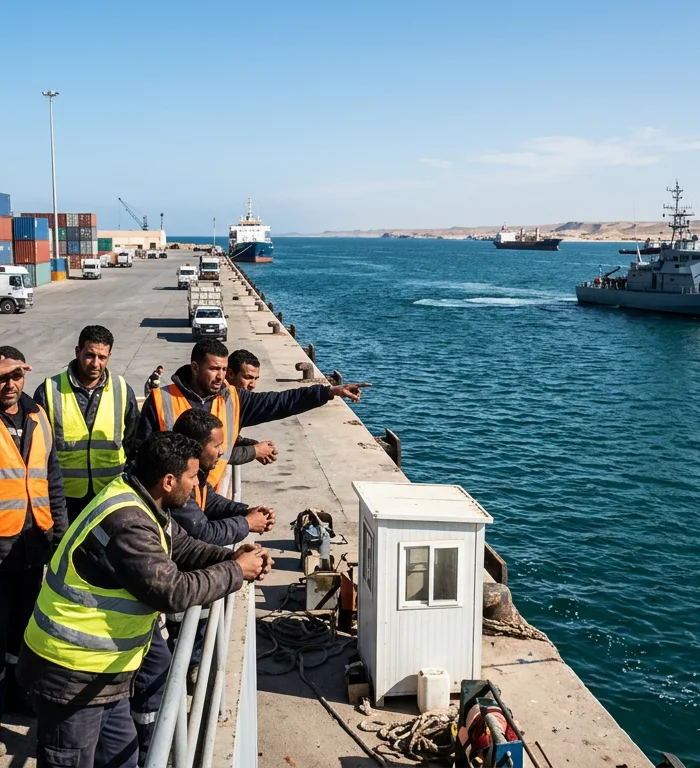
Direct strike marks tactical shift
President Volodymyr Zelenskyy confirmed on Monday that Ukrainian forces were responsible for the sinking of a Russian warship off the coast of Libya. The admission represents the first official acknowledgment by Kyiv of a combat operation targeting Russian naval assets in the Mediterranean, expanding the theater of the ongoing conflict far beyond the Black Sea.
The operation indicates a pivot toward targeting Russia's logistical supply lines deep in North Africa. Moscow has used these maritime corridors to sustain its military influence and provide support to aligned factions in the Libyan civil conflict, particularly in the east of the country.
Logistics hubs and regional influence
Libya has served as a critical node for Libya has served as a critical node for Russian military operations since the expansion of the Wagner Group, now largely reorganized under the Africa Corps. Ports such as Tobruk and Benghazi act as essential refueling and transit points for personnel and equipment moving between Russia and the Sahel. General Khalifa Haftar’s Libyan National Army (LNA) has relied on these sustained shipments to maintain territorial control in eastern Libya. By disrupting this supply chain, Ukraine is attempting to force the Kremlin to divert resources away from the primary front lines in Eastern Europe to protect its power projection capabilities in the MENA region. Mediterranean risks and naval escalation The sinking forces a strategic recalculation for the Kremlin, which must now contend with an active threat to its ships in waters previously considered peripheral to the war in Ukraine. Moscow faces the choice of increasing its naval escort presence in the Mediterranean or accepting the vulnerability of its existing supply routes to North Africa.
This development carries significant implications for regional security, particularly given the proximity to NATO naval assets patrolling the Mediterranean. Any escalation in Russian defensive posture could lead to increased friction with Western maritime forces operating in the area.
Defensive posture adjustments expected
Market and regional analysts are now monitoring the port of Tobruk for signs of a reinforced Russian naval presence. Should Russia prioritize the protection of its Libyan supply lines, it may deploy additional air defense and corvette-class vessels to the region before the end of 2024.
More stories
- Germans oppose Ukraine aid as poll shows support slipping
- Kim Jong-un receives 10 envoys after constitutional shift
- Ukraine claims Libya strike sinks Russian naval corvette
- COP31 climate talks collapse over fossil fuels and funds
- Russian military faces 1,087 recorded suicides in Ukraine war
- US faces China, Russia in Africa minerals contest
- Iran's attacks hit 25 tankers near Strait of Hormuz
- Russia strikes Ukraine as Odesa faces electricity strain
- Häkkänen blames US politics for Ukraine Patriot delay
- Cape Town faces appeal over Equinix data-centre zoning
Latest news
- Trump prepares tariffs on China and other major exporters
- New-car buyers pay record average $50,087 in October
- Banks face ECB reserve debate over liquidity and profits
- Investors see Anthropic debut gains fade below $83 a share
- Iraq orders federal control over Kurdish-area oilfields
- Nvidia shares retreat as AI rally cools before PCE data
- Macy’s parade faces balloon limits as storm winds approach