

UK Pursues Expanded Sanctions on Houthi Dual-Use Weapon Components
The UK is pushing for new UN sanctions on dual-use components used in Houthi weapons production while demanding the release of over 70 detained humanitarian…
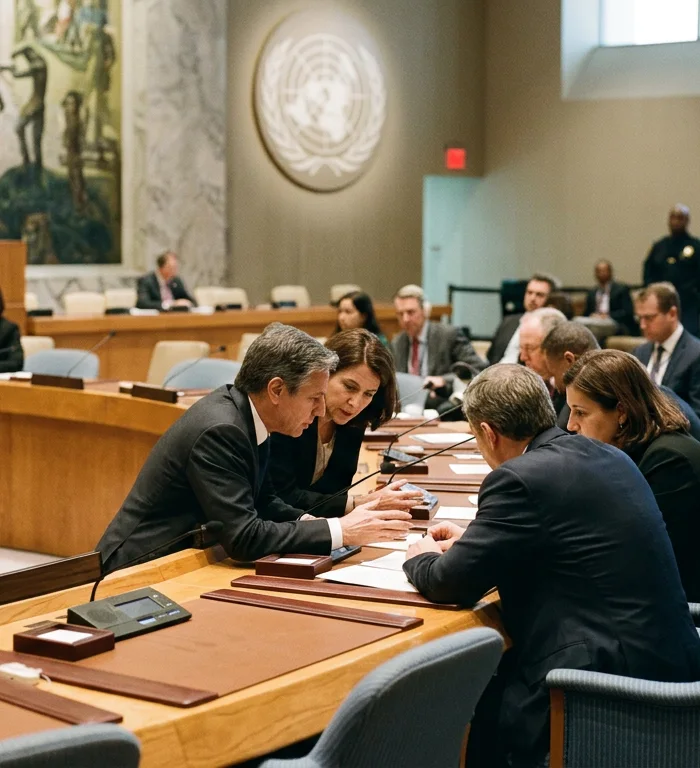
The United Kingdom has initiated efforts within the United Nations Security Council to expand existing sanctions against the Houthi movement in Yemen. The proposed measures aim to restrict the acquisition of dual-use components and precursor chemicals currently utilized by the group for domestic weapons manufacturing. This initiative follows the unanimous renewal of the UN sanctions regime on Yemen, which officials state provides a strengthened framework for enforcing the existing arms embargo.
British diplomatic representatives have indicated that upcoming negotiations will focus on establishing a formal list of restricted dual-use items. By targeting the supply chain for these materials, the UK seeks to degrade the group's capacity to produce advanced weaponry. This shift in policy reflects a strategic move to address the technical capabilities of non-state actors operating within the region.
Beyond military procurement, the humanitarian situation in Yemen remains a primary concern for the Security Council. Current data indicates that approximately 22.3 million people require humanitarian assistance, with recent escalations in conflict resulting in the displacement of over 330,000 individuals. The ongoing instability continues to complicate aid delivery and regional security efforts.
Diplomatic pressure is also mounting regarding the detention of international personnel. The Houthi movement currently holds more than 70 UN, humanitarian, and diplomatic staff members. The UK and other council members have demanded the immediate and unconditional release of these individuals, citing the violation of diplomatic norms and the obstruction of essential humanitarian operations. Future developments will likely center on the technical definition of the dual-use list and the potential for further diplomatic leverage to secure the release of detained personnel.
More stories
- Germans oppose Ukraine aid as poll shows support slipping
- Kim Jong-un receives 10 envoys after constitutional shift
- Ukraine claims Libya strike sinks Russian naval corvette
- COP31 climate talks collapse over fossil fuels and funds
- Russian military faces 1,087 recorded suicides in Ukraine war
- US faces China, Russia in Africa minerals contest
- Europe to join next Ukraine talks, Kushner says
- Melaka vote puts living costs before 687,697 voters
- Undocumented learners face South Africa matric barriers
- CIR places 25 Sudan commanders at reported sexual-violence sites
Latest news
- Trump prepares tariffs on China and other major exporters
- New-car buyers pay record average $50,087 in October
- Banks face ECB reserve debate over liquidity and profits
- Investors see Anthropic debut gains fade below $83 a share
- Iraq orders federal control over Kurdish-area oilfields
- Nvidia shares retreat as AI rally cools before PCE data
- Macy’s parade faces balloon limits as storm winds approach