

Turkey wage strain grows as 65 miners win pay pledge
The Labor Ministry’s guarantor role turns a local pay dispute into a test of Ankara’s ability to contain industrial wage stress.
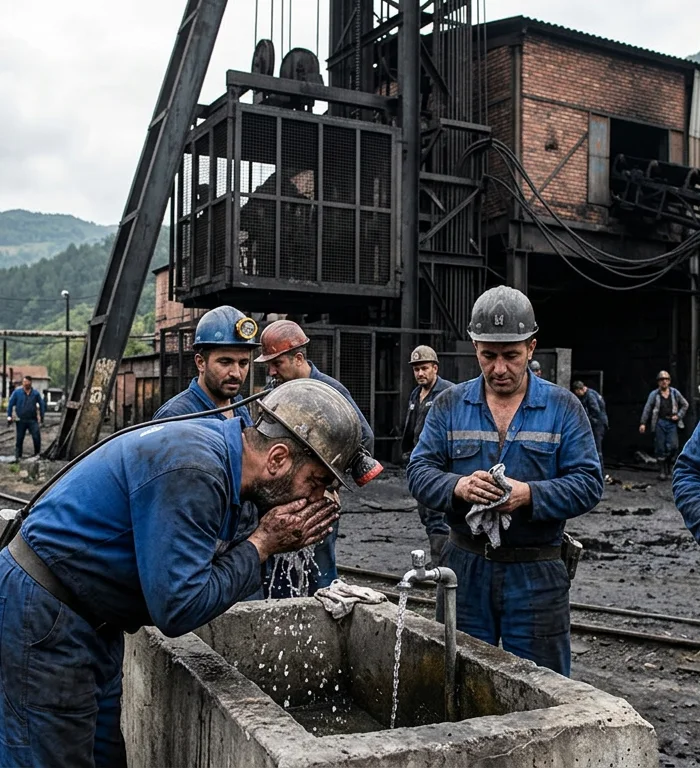
Sixty-five Hattat Enerji coal miners ended an underground sit-in at the company's Amasra mine on Nov. 13, after talks over two months of unpaid wages and bonuses, a news report said.
The settlement covered a dispute at a private mine where 520 workers had faced delayed pay, widening the political stakes from one 65-person occupation to a site-level wage problem.
The miners had gone 580 meters underground at the Tarlaağazı village site and said they would not leave until their receivables were paid. The action ended after negotiations involving the Türkiye Maden İşçileri Sendikası Amasra branch and a chief inspector from the Labor and Social Security Ministry.
Emrah Açıkgöz, head of the union's Amasra branch, said the bonus payments would be deposited as of Nov. 13 and that a salary-payment plan would be prepared under the chief inspector's supervision. He said the ministry and the state were described to the miners as guarantors of the process.
"Yer altındaki arkadaşlarımıza Bakanlığın, devletin garantör olduğunu söyledik, arkadaşlarımız eylemi bitirme kararı aldı. Arkadaşlarımızı yukarıya sağ salim çıkardık. Maaşla ilgili ödeme planı da başmüfettiş nezaretinde şimdi yapılacak, ona göre protokol altına alacağız," Açıkgöz said.
For Washington, the Amasra dispute is small in scale but relevant to a larger question: whether Turkey can keep private-sector wage conflicts contained while trying to stabilize its economy and maintain access to Western capital markets. Turkey's role as a NATO ally gives domestic economic stress a foreign-policy edge when labor unrest reaches strategic sectors such as mining.
The state role also carries a warning from a previous mining dispute. In the Doruk Madencilik case, the ministry had acted as guarantor in talks between workers and the employer, but the report said promised terms were not kept and workers returned to protest.
That precedent leaves the Amasra settlement dependent on execution, not the announcement. If bonuses are paid and a salary protocol is signed under ministry supervision, the episode stays localized. If payments slip again, the mechanism that ended the sit-in could become evidence of a broader enforcement problem in Turkey's industrial supply chain.
Source: news report, Haber Sol, Nov. 13, 2024
More stories
- ICE arrests at Seattle airport draw protests and scrutiny
- EU rejects COP31 deal as fossil fuel divisions block pact
- Staff notice in Commission cyberattack tests EU response
- Britain-EU deal eases food checks and youth travel rules
- European troops in Poland drill near reported missile crash
- Brooklyn collapse kills eight as city orders site sweeps
- Massie revives Hegseth impeachment bid over war authority
Latest news
- Trump prepares tariffs on China and other major exporters
- New-car buyers pay record average $50,087 in October
- Banks face ECB reserve debate over liquidity and profits
- Investors see Anthropic debut gains fade below $83 a share
- Iraq orders federal control over Kurdish-area oilfields
- Germans oppose Ukraine aid as poll shows support slipping
- Kim Jong-un receives 10 envoys after constitutional shift
- Ukraine claims Libya strike sinks Russian naval corvette