

Turkey policy uncertainty rises after two economic departures
Officials said the capital markets chief resigned and a deputy treasury minister requested retirement on Oct. 19.
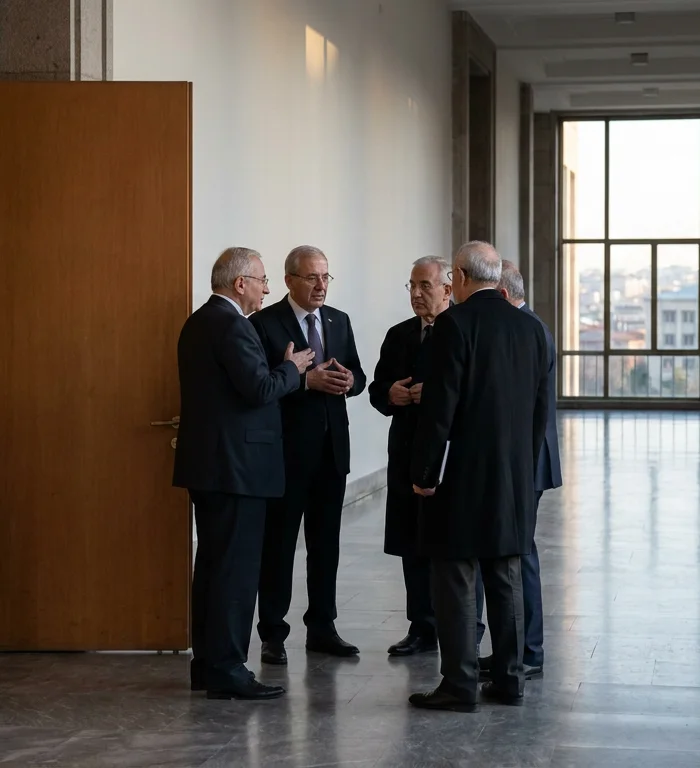
Turkey’s economic management faced two senior personnel changes on Oct. 19, as Capital Markets Board Chairman Mahmut Sütçü submitted his resignation and Deputy Treasury and Finance Minister Osman Çelik requested retirement, officials said. Reaction pending.
Sütçü cited health issues in seeking to leave his post, officials said. Çelik submitted his retirement petition to Treasury and Finance Minister Mehmet Şimşek, according to officials.
Ankara personnel gap
The Capital Markets Board oversees Turkey’s securities markets, making the resignation relevant for investors watching regulatory continuity. The Treasury and Finance Ministry sits at the center of fiscal policy and market communication, linking Çelik’s requested departure to the broader policy team around Şimşek.
The two moves arrive as investors track whether Turkey’s economic program can maintain a consistent policy line. For rates markets, the issue is not the personnel change alone, but whether appointments and ministry communication keep policy coordination steady.
If replacements are named quickly and the ministry keeps its policy message intact, the effect on rates may be limited to short-term risk pricing.
If the process stretches or signals a wider reshuffle, investors may demand more compensation for Turkish policy uncertainty across bonds and swaps.
The immediate forward marker is the next 24 hours after the Oct. 19 announcements, when officials may clarify succession at the Capital Markets Board and the status of Çelik’s retirement request.
More stories
- MSCI warning weighs on Indonesia's currency and its bonds
- France faces election strain after 2,000 protest arrests
- Malaga leads Andalucía euthanasia cases with 13 in 2025
- Ireland faces longevity gap as one-third of newborns may reach 100
- Borrowers face debt squeeze as reform timetable stretches
- Feijóo targets Catalonia’s 48 seats with Albiol housing pledge
- Japan keeps yen line as Fed lifts dollar pressure again
- Asian LNG demand slides as Gulf supply crunch lifts prices
Latest news
- Uganda rice project lifts yields to 25 bags an acre
- Senegal faces end-November ruling in AFCON title appeal
- Macron keeps interior minister after 2,400 France protest arrests
- iShares Semiconductor ETF gains after SOX loses 15.7%
- You Can See Everything grosses $15m from 855 screens
- Rare FN1 mutation may limit brain-vessel damage in APOE ε4 carriers
- Sceye tests 4G service from 54,000 feet over Japan
- UAE tops MENA disaster-readiness trust at 87%